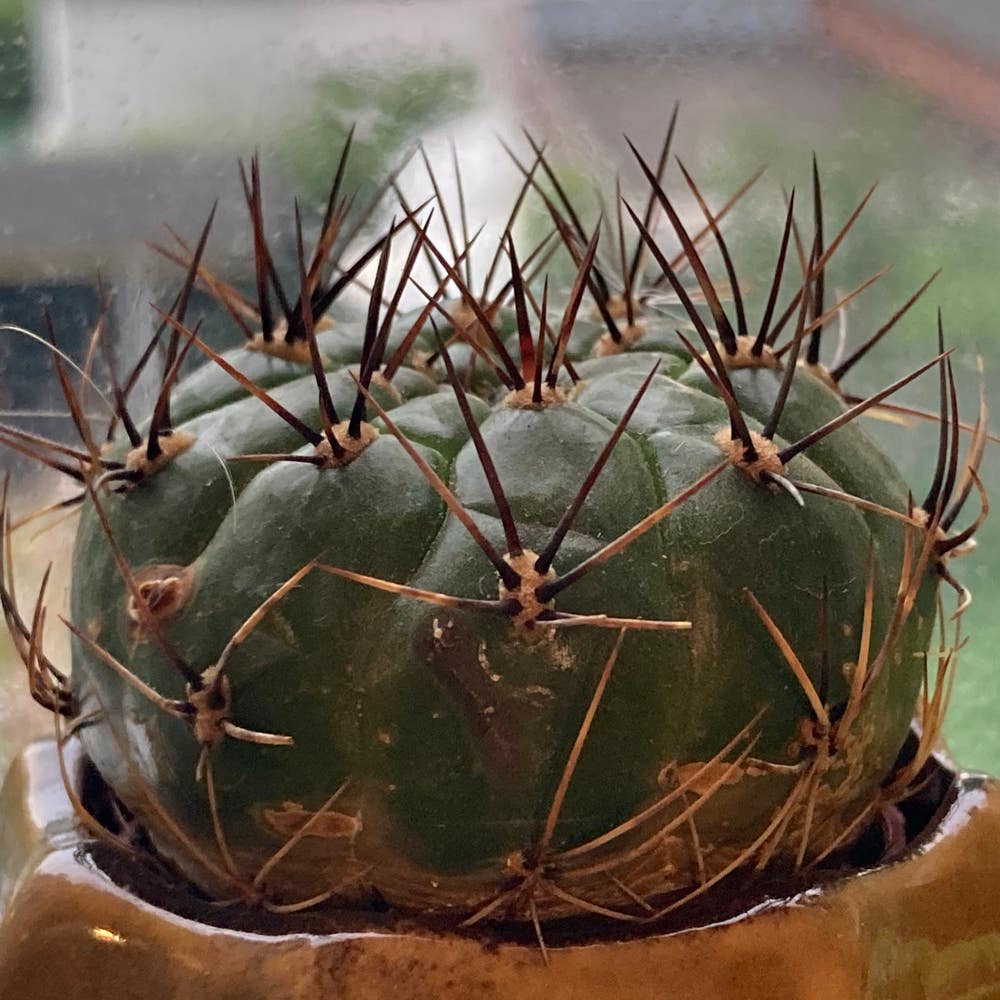
Soil Recommendations for Matucana weberbaueri
Matucana weberbaueri
By the Greg Editorial Team
Jun 13, 2024•4 min read
This article was created with the help of AI so we can cover more plants for you. May contain errors. See one? Report it here.
- Mold and odor mean moisture trouble; act fast to protect your cactus.
- Craft the perfect soil mix with sand, pumice, peat moss, and worm castings.
- Balance organic matter to nourish and structure soil without waterlogging.
Spotting Trouble: Unhealthy Soil Symptoms
🍄 Mold and Odor: Red Flags in Matucana weberbaueri's Soil
Mold in your Matucana weberbaueri's soil isn't just bad luck; it's a cry for help. A fuzzy or slimy layer, coupled with a musty stench, is your soil's way of saying it's had better days. These signs point to a moisture overload, with mold hijacking the nutrients your cactus desperately needs.
💧 Water Woes: Dealing with Overly Moist or Compacted Soil
Overly moist soil is like a wet blanket at a bonfire—it just doesn't mix with a thriving Matucana weberbaueri. If your cactus is sitting in soil that's more swamp than desert, you've got a problem. Compacted soil is another buzzkill for your plant's roots, making it as hard for them to breathe as it is for you to run underwater. Keep an eye out for waterlogging and soil that's tighter than a jam jar lid – these are SOS signals from your cactus.
Fixing the Foundation: Reviving Unhealthy Soil
🍄 Mold Be Gone: Steps to Eradicate Fungal Fiends
Mold in your Matucana weberbaueri's soil is like an unwelcome squatter. Scrape off any visible fuzz from the soil's surface to start the clean-up. Overwatering is the usual suspect, so let's put the watering can down—dry out the soil between waterings.
Stick a finger in the dirt before you water; if it's damp, your cactus is not thirsty. If mold's still hanging around, it's time to get tough. Mix in perlite or pumice to increase air flow and give those roots some breathing space.
💦 From Soggy to Superb: Correcting Waterlogged Conditions
Soggy soil is a no-go for your spiky friend. If your cactus is practically swimming, it's time to intervene. Reduce watering and make sure the pot has proper drainage holes.
For a soil that's more swamp than desert, consider a soil change. Swap out the old, waterlogged mix for a fresh, well-draining concoction. Add in some gritty materials like sand or fine gravel to keep things loose and airy. Remember, a cactus loves a good drought more than a flood.
Crafting the Perfect Soil Mix
🌱 The Recipe for Success: Ingredients for Matucana weberbaueri's Ideal Soil
Crafting the ideal soil mix for Matucana weberbaueri is akin to a culinary art—precision and quality ingredients are key. Coarse siliceous sand or pumice is essential for drainage, preventing root rot. A quality commercial cactus substrate can serve as a solid base, but it's just the beginning.
Add perlite or pumice to the mix to keep it from compacting over time. Sphagnum peat moss helps with moisture retention, while worm castings or compost enrich the soil with nutrients. For pH balance, a touch of lime may be necessary, aiming for a slightly acidic environment between 6.0 and 7.5.
🌵 Store-Bought vs. Home-Made: Choosing the Right Mix for Your Cactus
When it comes to store-bought mixes, not all are created equal. Look for brands that understand cacti needs—Dr. Earth and Bonsai Jack are often reliable choices. Avoid mixes that feel more like concrete than soil; they should be light and airy, not dense and suffocating.
For those who prefer a more personalized approach, DIY soil mixes allow for customization. It's about finding the right balance for your cactus's needs. Sterilize your ingredients to prevent any unwanted fungal guests—microwave or bake them before use. And remember, observation is key; if your cactus isn't happy, don't hesitate to adjust your mix.
Boosting Soil Performance with Amendments
🚰 Drainage Dynamos: Perlite, Sand, and Bark
Perlite is like the secret agent of drainage, working undercover to keep your Matucana weberbaueri's soil light and airy. Its volcanic glass structure prevents compaction, ensuring roots have the oxygen they crave and the space to stretch out.
Coarse sand steps in as the no-nonsense bouncer at the club, showing excess water the door before it can cause any trouble. It's all about creating a gritty texture that tells water it's time to move along.
Orchid bark isn't just for the orchids; it's the personal trainer for your cactus's roots, providing extra drainage support and preventing water from getting too cozy. It's all about that chunky texture that keeps things flowing.
🍽️ Nutrient Nirvana: The Role of Organic Matter in Soil Health
Organic matter is the unsung hero, the buffet of nutrients that keeps your cactus coming back for more. Think compost or well-aged manure, which not only feeds your plant but also improves soil structure.
It's a delicate dance, though. Too much organic matter and you're throwing a pool party in your pot. Just enough, and you're the host with the most, offering a nutrient-packed bash for your cactus's roots.
Remember, balance is key. You want your soil to hold moisture like a good conversation, not a monologue. So, mix it up and watch your Matucana weberbaueri thrive.
⚠️ Safety First
This content is for general information and may contain errors, omissions, or outdated details. It is not medical, veterinary advice, or an endorsement of therapeutic claims.
Always consult a qualified healthcare professional before using any plant as food, medicine, or supplement.
Never eat any plant (or feed one to pets) without confirming its identity with at least two trusted sources.
If you suspect poisoning, call Poison Control (800) 222-1222, the Pet Poison Helpline (800) 213-6680, or your local emergency service immediately.
Spotted an error? Please report it here.
Wave goodbye to soggy soil woes and hello to a happy Matucana weberbaueri with Greg's custom watering schedules and soil tips 🌵, ensuring your cactus's home is just right.