Propagating Your Dragon Root: Step-by-Step Guide
Arisaema dracontium
By the Greg Editorial Team
Mar 27, 2024•5 min read
This article was created with the help of AI so we can cover more plants for you. May contain errors. See one? Report it here.
Grow your Dragon Root army 🐉 with foolproof division and stem cutting methods from our guide!
- Division or stem cuttings - two effective methods for propagating Dragon Root.
- 🌡️💧 Ideal environment crucial for temperature, humidity, and light.
- 🌱 Monitor for roots and shoots to gauge propagation success.
Choosing Your Propagation Adventure
🌱 Division: The Split Decision
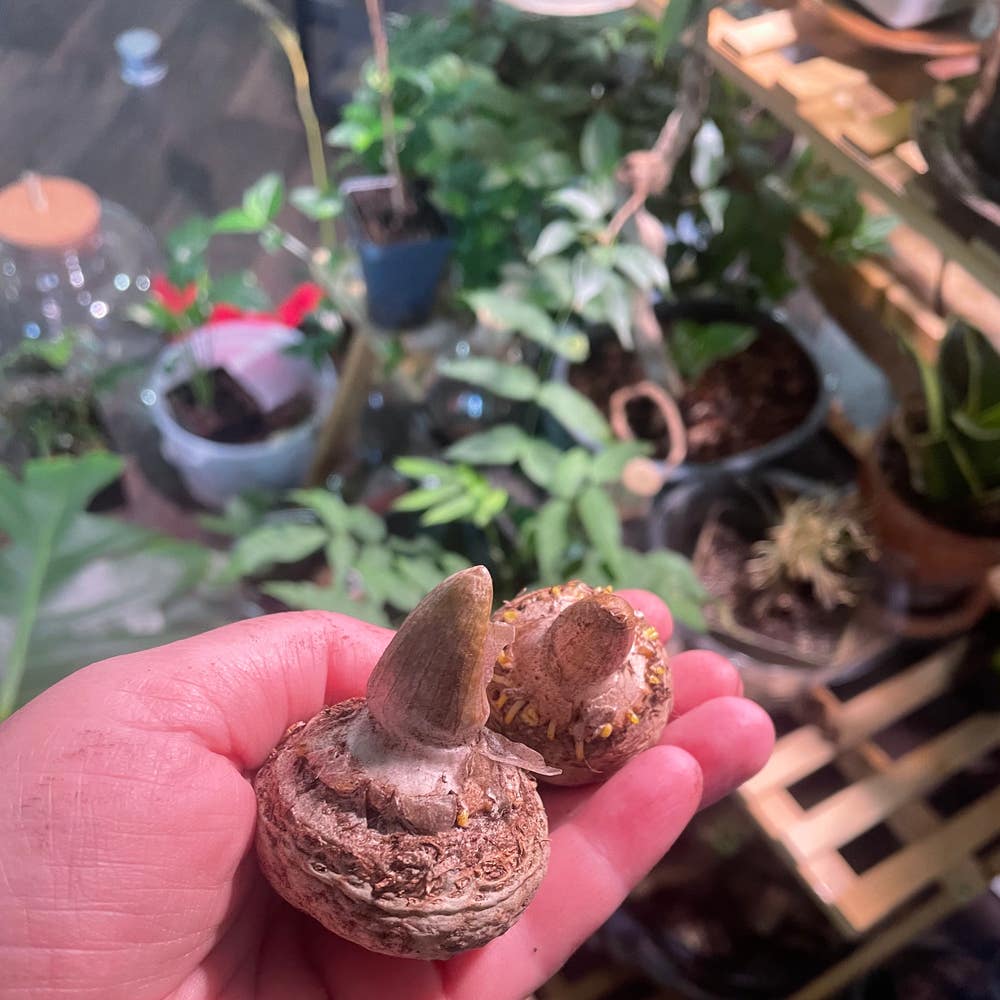
When spring calls, it's time to divide your Dragon Root. This method is quick, like ripping off a band-aid with the bonus of instant plant gratification.
Tools You'll Need
Sterilized sharp tools are non-negotiable. Think knives or spades. You'll also need pots with drainage, because soggy roots are a no-go.
🌿 Stem Cuttings: The Snip Strategy
For those who like a visual on their progress, stem cuttings are your jam. It's like a backstage pass to the rooting process.
Selecting the Perfect Candidate
Choose a healthy stem, one that screams 'I'm the one!' Snip below a node, because that's where the magic (roots) happens.
Rooting Hormone: The Growth Whisperer
Not a must, but rooting hormone is like a pep talk for your cuttings. It's the difference between a plant that's surviving and one that's thriving.
Setting the Stage for Propagation Success
🌱 Crafting the Perfect Propagation Environment
Creating the ideal conditions for Dragon Root propagation is like prepping a backstage area for the main event.
Temperature is your cozy blanket, wrapping your cuttings at a snug 75° to 80°F. Too hot, and you're baking them; too cold, and they're in a fridge.
Humidity is your next VIP, aiming for that sweet spot of 70-80%. It's the plant's personal trainer, ensuring a fit and disease-free environment. But remember, airflow is crucial—no one likes a stuffy gym.
Light is your energy source, the spotlight on the stage. Bright, indirect light is your goal—direct sunlight is the overzealous fan that gets too close for comfort.
🌱 Soil and Water: The Foundation of New Growth
Mixing up the perfect soil blend is like crafting a Michelin-star meal for your Dragon Root. Combine potting soil with perlite or sand for that well-draining, airy consistency.
Watering is your delicate dance. Aim for damp, like a wrung-out sponge, but never soggy. Overwatering is the fast track to a sad, waterlogged performance.
Remember, your propagation environment should be the Goldilocks zone—not too hot, not too cold, just right. Keep a close eye on your mini greenhouse; it's a tropical paradise, not a sauna.
Keeping an Eye on Your Propagation Progress
🌱 Signs of Success: What to Look For
As your Dragon Root begins its journey into propagation, vigilance is key. You're looking for the first whispers of new life.
Rooting Revelations
When white, firm roots emerge, it's a high-five from nature. If you're using a transparent container, a visible network of roots is your green light. In soil, a gentle tug that meets resistance is like a secret handshake between you and your plant, signaling root development.
Leafing Out
After roots, expect the grand entrance of new foliage. This is your cue that the plant is settling into its new digs. New shoots are like the plant stretching its limbs, ready to grow.
🚫 Propagation Pitfalls: Common Issues and Fixes
But let's not sugarcoat it—things can go south. Here's how to stay on top of common issues.
Dealing with the Dreaded Rot
Root rot is the bogeyman of propagation. To prevent this soggy nightmare, ensure your soil drains well and you're not overwatering. If rot does rear its ugly head, snip the affected area and adjust to drier conditions.
Stunted Growth and Other Setbacks
Yellow leaves or growth more stunted than a bonsai? Time to play detective. Adjust light and water like you're tuning a guitar—too much or too little, and the plant won't thrive. Keep a log; it's your roadmap to understanding what works and what doesn't.
Remember, every hiccup is an opportunity to grow—both for you and your Dragon Root.
Transition Time: Moving to Permanent Quarters
🌱 The Right Pot for Your New Plant
Once your Dragon Root has sprouted roots, it's time to upgrade its living situation. Selecting the right pot is like picking a tailored suit – it should fit well but with room to grow. Drainage holes? Absolutely essential. They're the difference between a comfy condo and a flooded basement.
🌿 The Repotting Process: A Gentle Transition to Encourage Continued Growth
📦 Preparing for the Move
Before you begin, gather your supplies: a new pot, fresh potting mix, and a watering can. Ensure the pot is not a mansion for your young plant; a size too large can cause moisture issues. Think cozy studio apartment with a balcony – snug yet airy.
🌱 The Gentle Uproot
Carefully coax your Dragon Root from its current pot, handling the roots with the finesse of a bomb squad. If the roots circle the pot, it's time for a gentle intervention. Tease them out to encourage exploration into their new soil horizon.
🌿 Settling into the New Pot
Layer the bottom of the new pot with soil, then position your plant at the right height. Fill in around it, pressing lightly to eliminate large air pockets. Remember, roots need air as much as they need water.
💧 The First Watering
After repotting, give your plant a drink to help settle the soil. Use water like a welcome mat, inviting the roots to stretch out in their new home. Keep the soil consistently moist but not waterlogged; think of it as a hydration balance.
🌞 Acclimating to the New Environment
Finally, place your Dragon Root in a spot with bright, indirect light. Avoid the temptation to give it a sunbath right away. Let it get its bearings first, gradually introducing it to more light as it settles in.
⚠️ Safety First
This content is for general information and may contain errors, omissions, or outdated details. It is not medical, veterinary advice, or an endorsement of therapeutic claims.
Always consult a qualified healthcare professional before using any plant as food, medicine, or supplement.
Never eat any plant (or feed one to pets) without confirming its identity with at least two trusted sources.
If you suspect poisoning, call Poison Control (800) 222-1222, the Pet Poison Helpline (800) 213-6680, or your local emergency service immediately.
Spotted an error? Please report it here.
Successfully propagate your Dragon Root by following this guide, and let Greg send you custom care reminders 🌱 to ensure your cuttings take root and flourish.