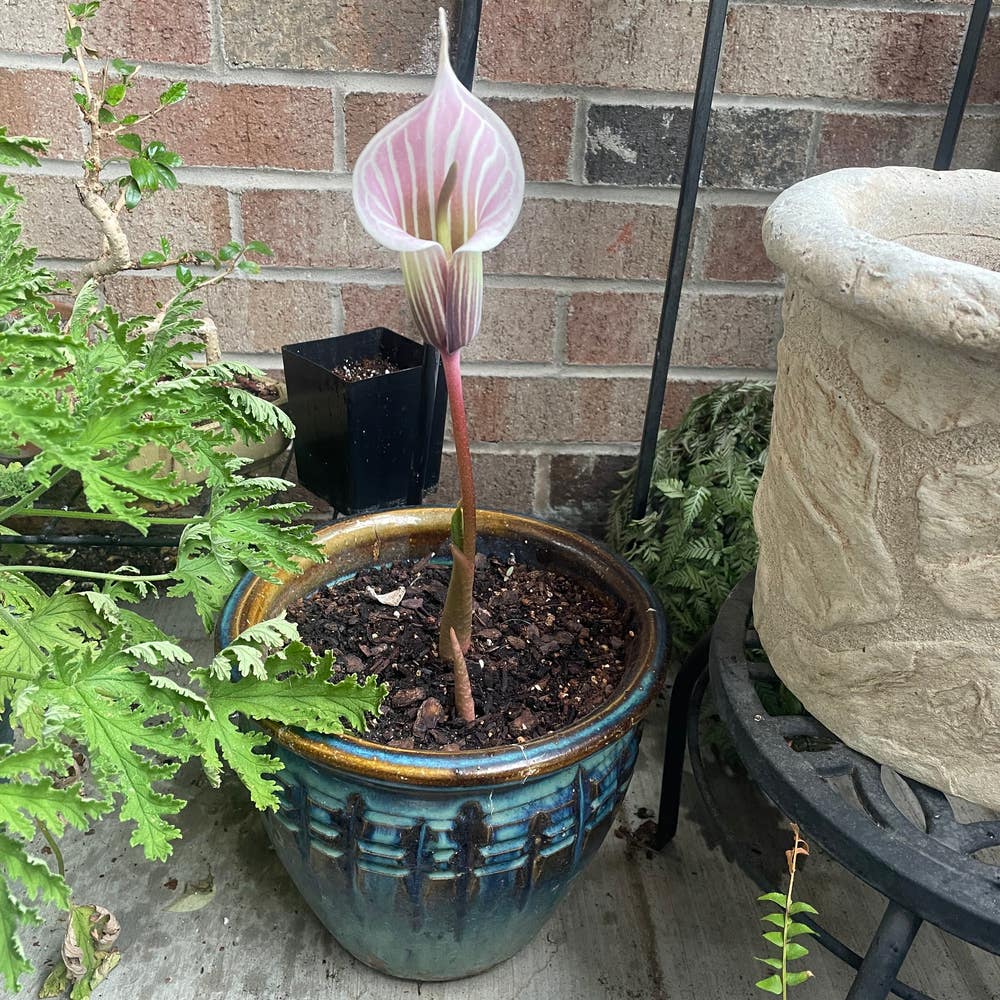
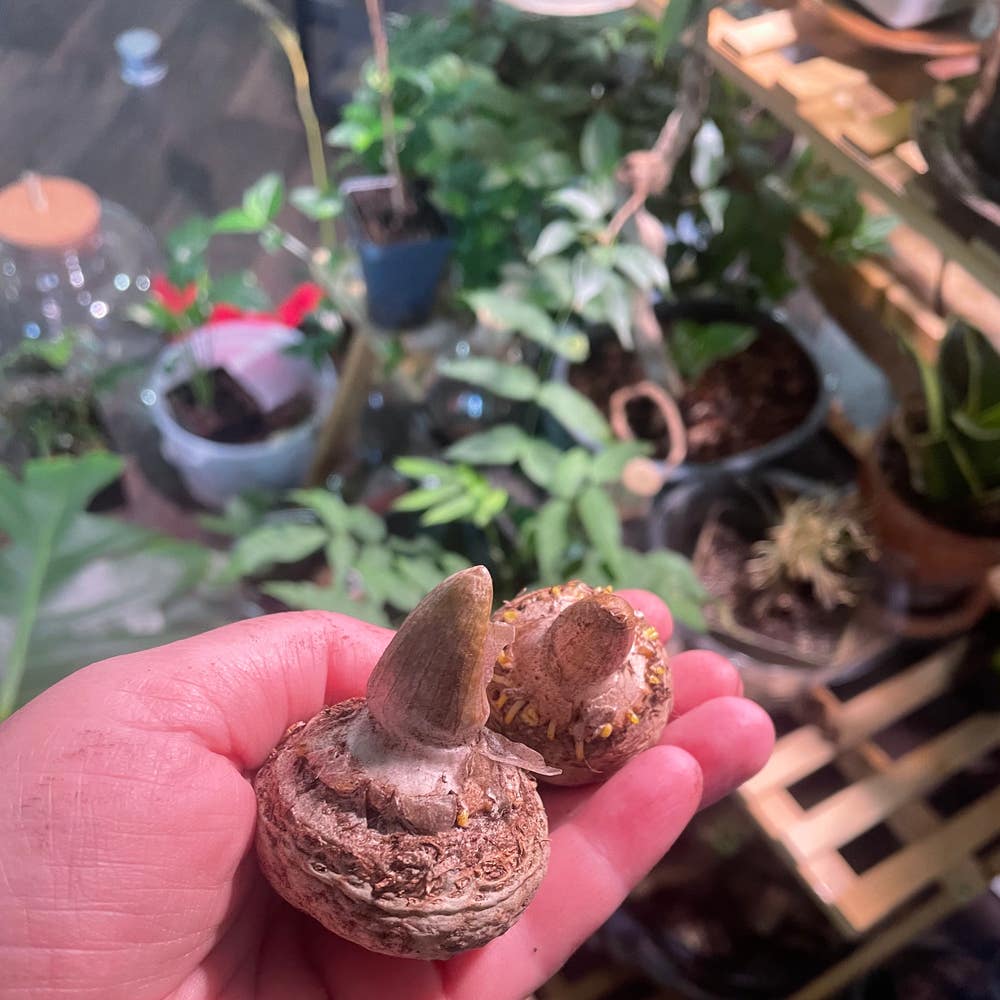
🐉 Should I Repot My Dragon Root And If So, How?
Arisaema dracontium
By the Greg Editorial Team
Mar 27, 2024•4 min read
This article was created with the help of AI so we can cover more plants for you. May contain errors. See one? Report it here.
Revitalize your Dragon Root's growth 🌱 by mastering the timely art of repotting with this guide!
- 🌱 Roots peeking out? Time to repot your Dragon Root.
- Terracotta for airflow, plastic for moisture retention.
- Repot in growth season, typically spring or early summer.
When It's Time for a New Home
🌱 Spotting the Telltale Signs
When your Dragon Root starts sending roots through the drainage holes, it's not just exploring—it's cramped. This is a classic sign of a pot-bound plant, and it's your cue to start pot shopping. If the plant's growth has stalled, it's not being lazy; it's silently pleading for more space.
🕰 Timing is Everything
The best time to repot your Dragon Root is during its growth season, typically spring or early summer. This timing allows the plant to recover and root into its new pot during the peak growing phase. Avoid repotting in the dead of winter or the sweltering heat of mid-summer—your plant's not looking to move into a freezer or an oven.
Picking the Perfect Pot
🏺 Material Matters
Terracotta, the breathable heavyweight, allows for air flow and moisture control, making it a solid choice for those who tend to overwater. Its weight, however, can be a drawback for frequent repositioners. Plastic pots are the featherweights, great for moisture retention but risky for the enthusiastic waterer – swamp conditions can ensue. Ceramic pots strike a balance, offering style and moderate breathability, but ensure they have drainage holes to avoid waterlogged woes.
Size and Drainage
The new pot should be 1-2 inches larger in diameter than the current one, giving your Dragon Root room to grow without drowning in excess soil. Drainage is non-negotiable; a pot without holes is a recipe for root rot. Regardless of material, prioritize pots that let your plant breathe and drain, much like a good workout outfit for your roots.
The Repotting Rundown
🌱 Prepping the Plant and Pot
Before the big move, ensure your Dragon Root is hydrated by watering it the day before. This makes the soil more cooperative during the transition. Gather your tools: a new pot, fresh potting mix, a trowel, scissors, and a watering can.
Cleanliness is key; make sure your workspace is tidy to avoid a soil catastrophe. Choose a pot 1-2 sizes larger than the current one for your Dragon Root's new digs. Drainage is non-negotiable; ensure the new pot has holes and consider lining it with a coffee filter to prevent soil from escaping while allowing water to flow freely.
🌿 The Main Event: Repotting Step-by-Step
Gently coax your Dragon Root from its current pot, avoiding any root tug-of-war. If it resists, squeeze the pot's sides or run a blunt instrument around the inside edge to loosen the soil's grip.
Inspect the roots like a hawk, trimming away any signs of damage or disease. Place a base layer of soil in the new pot to elevate the root ball to the right height. Center your plant and fill in around it with soil, tapping the pot to settle the contents without compacting them.
Water thoroughly but sensibly; think of it as a welcome drink for your plant's new home, not a flood. This initial watering helps the roots make contact with their new soil environment, setting the stage for growth.
Immediate Aftercare
🌱 The First Few Days
After the repotting shuffle, your Dragon Root will need some TLC. It's like checking in on a friend after a big move; you want to make sure they're settling in okay. Monitor for signs of a plant protest—drooping leaves or a sulkier green hue are your cues to take action.
🌿 Adjusting Care Post-Repot
In the weeks following the repot, it's all about finding the sweet spot for watering and light. Start by giving the soil a feel; if the top inch is dry, it's time for a drink. But go easy—overwatering is the fast track to root rot city.
Light needs a careful eye too. Your Dragon Root doesn't need a sunbath; it craves that bright, indirect light. Think of it as putting on sunglasses on a bright day—it's all about comfort. Keep the vibe consistent, no dramatic temperature swings or drafts.
Remember, it's not about coddling your plant, but about guiding it through a smooth transition. With a bit of watchfulness and some minor tweaks, your Dragon Root will be back to its glorious self, no drama required.
⚠️ Safety First
This content is for general information and may contain errors, omissions, or outdated details. It is not medical, veterinary advice, or an endorsement of therapeutic claims.
Always consult a qualified healthcare professional before using any plant as food, medicine, or supplement.
Never eat any plant (or feed one to pets) without confirming its identity with at least two trusted sources.
If you suspect poisoning, call Poison Control (800) 222-1222, the Pet Poison Helpline (800) 213-6680, or your local emergency service immediately.
Spotted an error? Please report it here.
Transition your dragon root to a new pot seamlessly with repotting reminders 🌱 from Greg, ensuring a stress-free growth spurt.