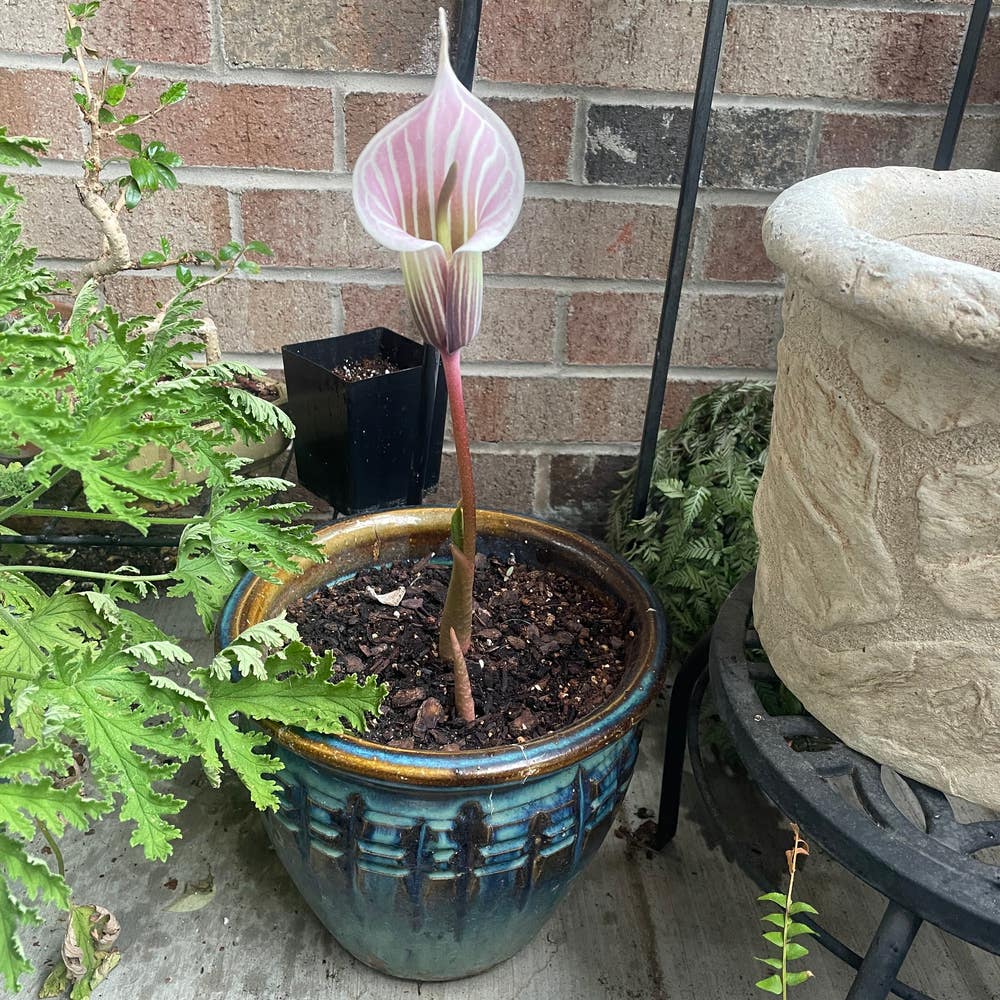
Why Are My Dragon Root Leaves Mushy?
Arisaema dracontium
By the Greg Editorial Team
Mar 27, 2024•5 min read
This article was created with the help of AI so we can cover more plants for you. May contain errors. See one? Report it here.
Rescue your Dragon Root from the mushy brink 🌿—learn the lifesaving fixes for soggy leaves here!
- Overwatering and poor drainage lead to mushy leaves; add perlite for quick fix.
- Fungal infections? Use Cleary's 3336 or Daconil to treat your Dragon Root.
- Repot with care in terracotta pots and well-draining soil for recovery.
Spotting Trouble: Signs Your Dragon Root is Too Wet
💦 Overwatering and Root Rot
Overwatering is a common misstep with Dragon Root plants, leading to telltale signs of distress. Leaves may appear soggy, droop, or take on a translucent look. When the roots are deprived of oxygen, they become soft and dark—classic symptoms of root rot.
🚰 Drainage Woes
Poor drainage can turn your Dragon Root's home into a swamp. If water pools on the surface or the pot feels unusually heavy, it's a sign that the soil is too waterlogged. To fix this, consider adding perlite or coarse sand to improve soil texture and facilitate better drainage.
Fungal Foes: When Microbes Attack
🍄 Recognizing Fungal Infections
Fungal infections in Dragon Root plants can be stealthy invaders, often thriving in damp conditions. Look out for powdery or fuzzy growths on leaves, a telltale sign that fungi like Fusarium or Phytophthora have taken hold. These pathogens can cause discoloration and spotting, indicating that your plant's health is at risk. Good air circulation is crucial to prevent these fungal foes from establishing a stronghold.
⚔️ Battling the Bloom
When it comes to fungicides, options such as Cleary's 3336 or Daconil are proven fighters. It's not enough to just apply them; follow the label instructions religiously for effective treatment. Post-application, keep the plant base dry and tools sterilized to prevent reinfection. Adjusting your plant care routine to include better drainage and monitoring is also key in keeping fungal growth at bay.
The Road to Recovery: Treating Mushy Leaves
💦 Drying Out the Right Way
Cease watering immediately to let the soil dry out. If it's more swamp than soil, evict your plant from its pot. Shake off the mud-wrestling roots and give them an airing, but dodge direct sunlight like a vampire to avoid shock.
Replant in fresh, well-draining soil once the roots have aired their grievances. Adjust your watering habits to the plant's needs, not your schedule. Water when the top inch of soil feels like a dry joke, not a wet handshake.
🕵️ Root Rehab
Inspect the roots like a detective at a crime scene. If they're brown and squishy, it's time for some root surgery. Snip the bad, keep the good. Sterilize your tools like you're prepping for an operation—cleanliness is next to plant-godliness.
Repot with a well-draining mix and consider a pebble base layer to keep water from overstaying its welcome. Post-surgery, water with the restraint of a desert wanderer rationing their last canteen.
Repotting for Resilience
🌱 Choosing Your Pot and Soil
When repotting your Dragon Root, think drainage. Terracotta pots are your ally here, their porous nature helps soil dry evenly, preventing mushy leaf mayhem. Plastic pots can cling to moisture like a koala to a tree, so if you go plastic, stay vigilant.
Mesh over the drainage hole? Yes, please. It keeps soil from staging a great escape every time you water. Mix in some perlite or pumice to keep the soil light and airy, giving roots the space to breathe and preventing water from throwing a pool party in your pot.
🌱 The Repotting Process for Stressed Plants
Spring into action during the spring, when your Dragon Root is in growth mode and can bounce back like a champ. Choose a pot that's a size up but not a mansion; too much space can lead to waterlogging woes.
Center your plant, tuck it in with well-draining soil, and resist the urge to water right away. Give it a couple of days to acclimate to its new digs. When you do water, think of it as a gentle rain shower, not a monsoon.
Keeping Leaves Firm: Prevention Tactics
💧 Watering Wisdom
Watering your Dragon Root plant is like a balancing act. Too much and you're asking for mush; too little and you're in drought territory. Check the soil before watering—dry to the touch? Go ahead. Still damp? Hold off on the H2O.
Invest in a moisture meter for precision, or use the old-school finger test. Remember, a routine is a guideline, not gospel. Adapt to your plant's thirst, which changes with the seasons.
🌿 Environmental Mastery
Humidity and airflow are the dynamic duo for Dragon Root health. Aim for that 40-50% humidity sweet spot. Too dry? Use a humidifier or a pebble tray. Too moist? A dehumidifier or some strategic ventilation can work wonders.
Keep the air moving to prevent fungal parties on your plant's leaves. A fan or an open window can make all the difference. Regularly prune to remove dead leaves and increase airflow. This is like a regular check-up that keeps your plant fit and firm.
Stay vigilant. If your Dragon Root starts to sulk with droopy leaves or a lackluster vibe, it's time to remix your care routine. Keep it stable, like a good DJ keeps the beat, and your plant will stay firm and fabulous.
⚠️ Safety First
This content is for general information and may contain errors, omissions, or outdated details. It is not medical, veterinary advice, or an endorsement of therapeutic claims.
Always consult a qualified healthcare professional before using any plant as food, medicine, or supplement.
Never eat any plant (or feed one to pets) without confirming its identity with at least two trusted sources.
If you suspect poisoning, call Poison Control (800) 222-1222, the Pet Poison Helpline (800) 213-6680, or your local emergency service immediately.
Spotted an error? Please report it here.
Banish mushy leaves from your Dragon Root by repotting smartly 🌱 with Greg's custom watering plan and pot size measurement tools.