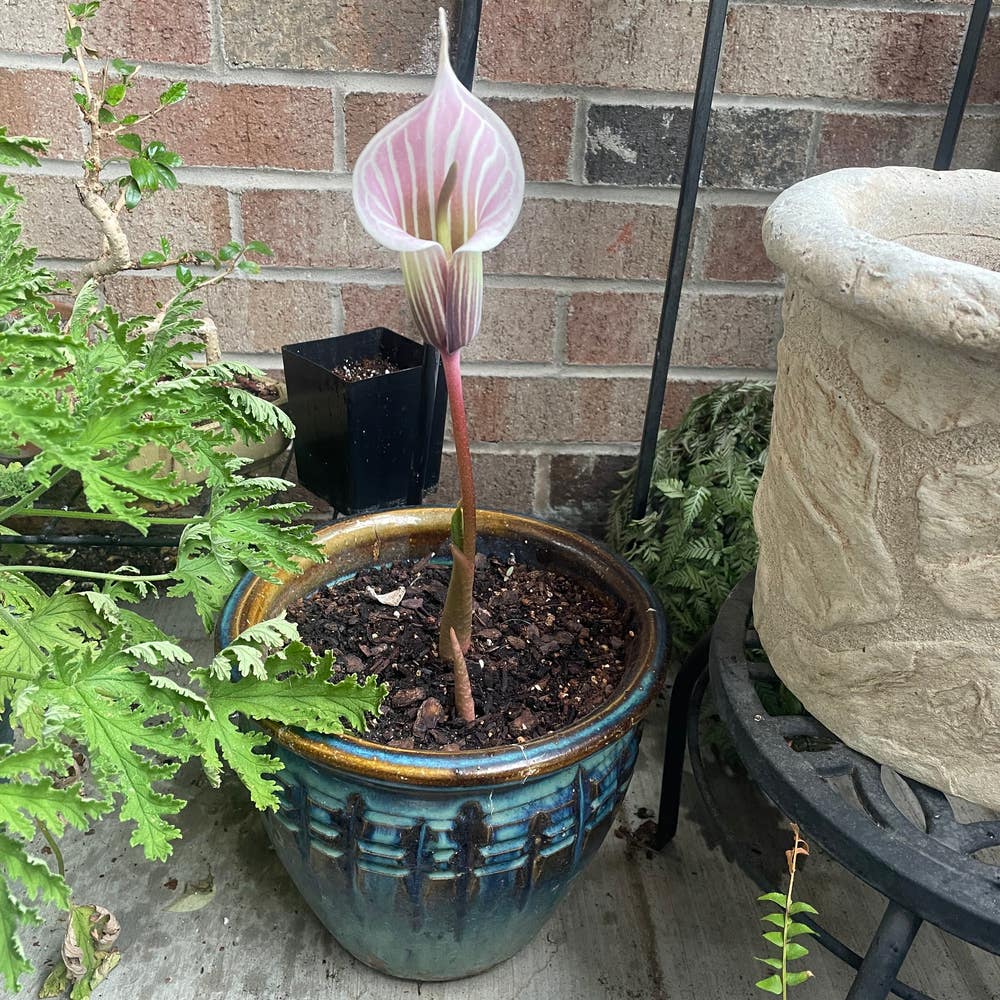
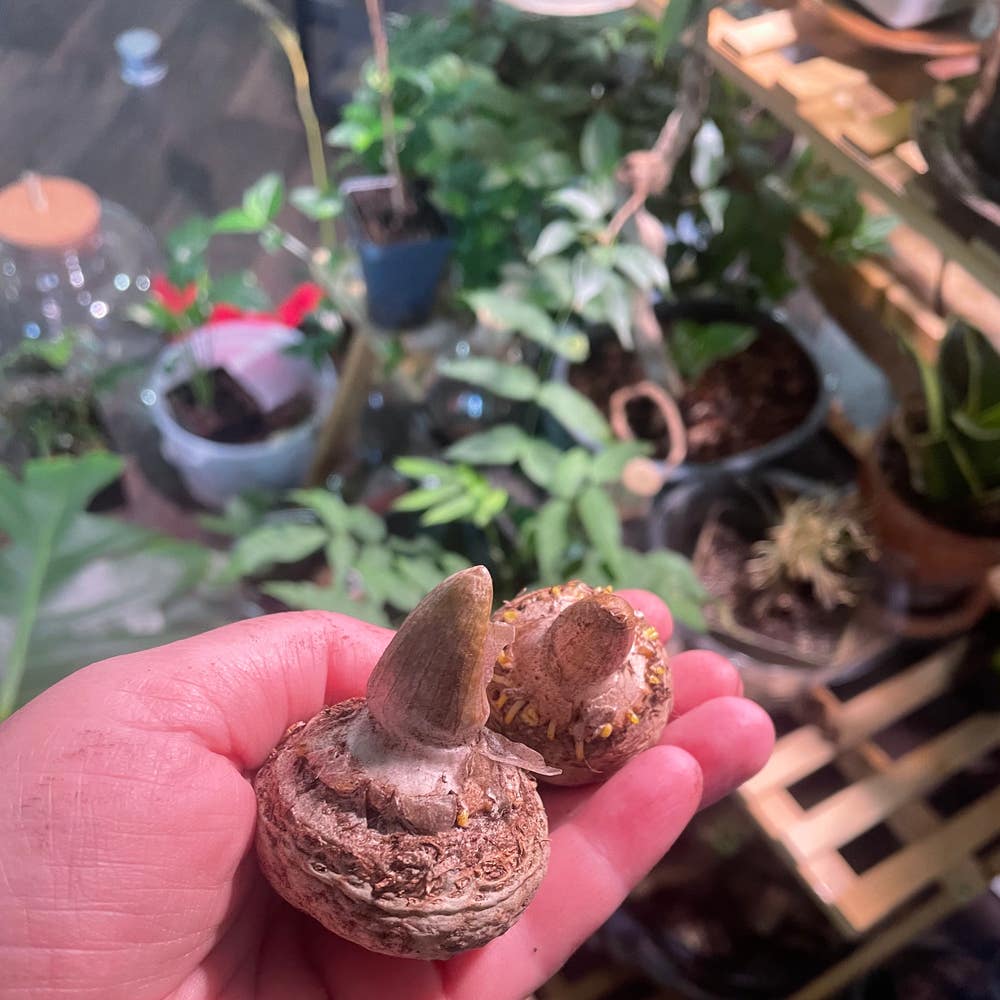
🐉 How Often Should I Water My Dragon Root?
Arisaema dracontium
By the Greg Editorial Team
Mar 27, 2024•3 min read
This article was created with the help of AI so we can cover more plants for you. May contain errors. See one? Report it here.
Discover the secret to a lush dragon root 🐉 by nailing the watering routine that adapts to its whims.
- Check soil and leaves to gauge your Dragon Root's water needs.
- Seasons change, so does watering - adjust your schedule accordingly.
- Use soak and dry method to prevent overwatering and root rot.
Crafting Your Dragon Root's Watering Timetable
💧 Assessing Your Dragon Root's Thirst
Leaves and soil are your Dragon Root's way of texting you its water needs. If the top inch of soil feels like a desert, it's time for a drink. Leaves curling more than a gymnast at the Olympics? That's a cry for hydration. Conversely, if the soil's got more moisture than a rainforest floor, ease up on the watering can.
🌦 Seasonal Shifts and Watering Adjustments
As the seasons change, so does your Dragon Root's thirst. Summer might have it guzzling water like a marathon runner, while winter is more a sip-here-and-there affair. Keep an eye on growth spurts and dormancy; these are your cues to tweak the watering playlist.
🌱 Pot Size and Watering Frequency
The pot size is like your plant's apartment—too big, and it might feel lost; too small, and it's cramped. A snug pot means more frequent watering, while a spacious one holds onto moisture like a camel. Remember, your Dragon Root's roots need room to boogie without drowning.
Watering Your Dragon Root Right
💧 The Soak and Dry Method
Mastering the art of watering your dragon root means embracing the soak and dry method. When the top inch of soil feels like a parched wasteland, it's time to drench the soil until water runs free from the drainage holes. Then, exercise patience; let the soil dry out completely before the next watering session. This method mimics the natural wet-dry cycles dragon roots crave, preventing the twin terrors of root rot and dehydration.
🛠 Tools of the Trade
Choosing the right tools is crucial to avoid the dreaded overwatering. A watering can with a long spout offers precision, allowing you to target the soil rather than the foliage. For the tech-inclined, a soil moisture meter can be a game-changer, taking the guesswork out of the equation. However, never underestimate the effectiveness of the classic finger test—an inch-deep poke into the soil will tell you if it's time to water. Remember, the goal is moist soil, not a mini swamp.
Keeping Tabs on Your Dragon Root's Hydration
💧 Soil Moisture and Plant Health Checks
Regularly monitoring soil moisture is crucial for your dragon root's well-being. Use your finger or a moisture meter to check the top inch of soil; if it's dry, it's time to water. Be vigilant—overwatering can lead to root rot, so ensure the soil is not perpetually wet.
🌦 When to Tweak the Watering Schedule
Adjust your watering habits with the seasons—less in winter, more in summer. If leaves start curling or dropping, reassess your routine. Consistency is important, but so is adapting to your plant's feedback. Observe changes in your dragon root's appearance and soil condition to maintain optimal hydration.
⚠️ Safety First
This content is for general information and may contain errors, omissions, or outdated details. It is not medical, veterinary advice, or an endorsement of therapeutic claims.
Always consult a qualified healthcare professional before using any plant as food, medicine, or supplement.
Never eat any plant (or feed one to pets) without confirming its identity with at least two trusted sources.
If you suspect poisoning, call Poison Control (800) 222-1222, the Pet Poison Helpline (800) 213-6680, or your local emergency service immediately.
Spotted an error? Please report it here.
Keep your Dragon Root perfectly quenched 🌱 with Greg's personalized reminders, ensuring you water wisely and avoid the dreaded root rot.