🐉 What Should I Do When Dragon Root Leaves Turn Yellow?
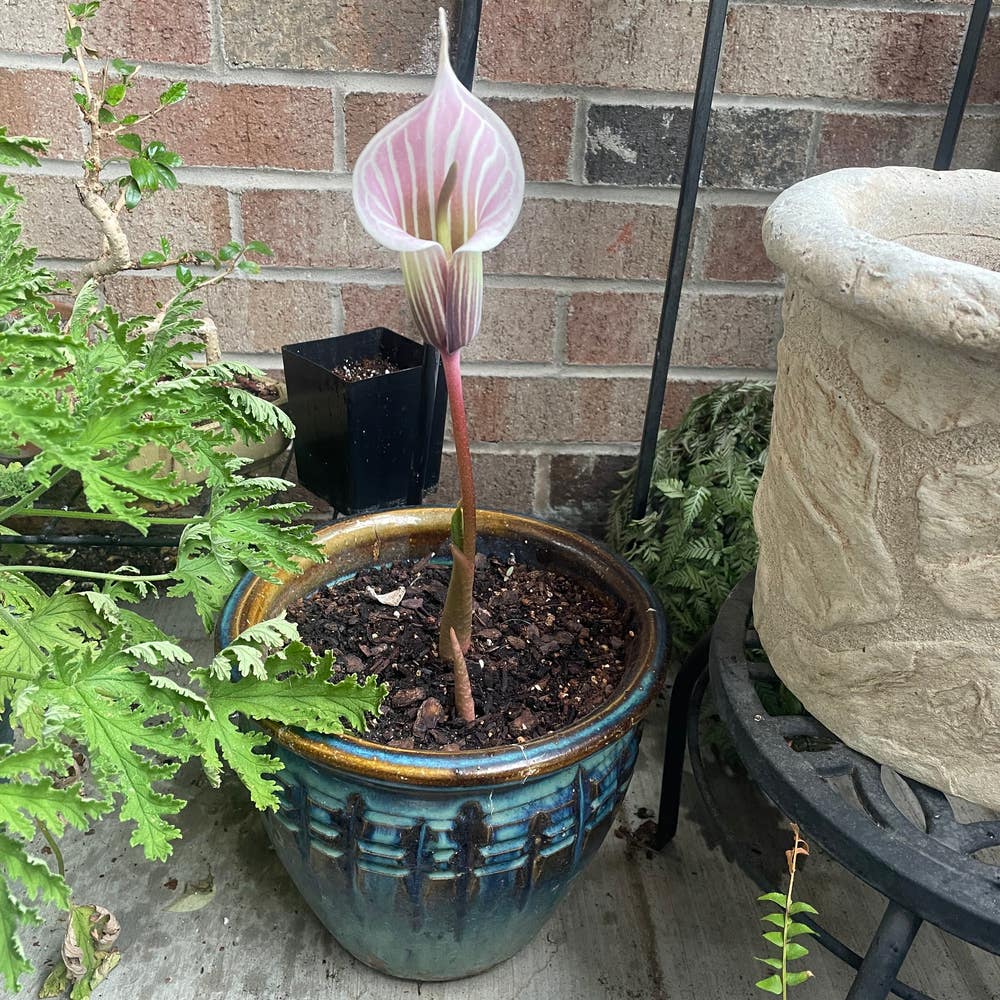
Arisaema dracontium
By the Greg Editorial Team
Mar 27, 2024•3 min read
This article was created with the help of AI so we can cover more plants for you. May contain errors. See one? Report it here.
Turn your Dragon Root's frown 🍂 upside down by tackling the yellow leaf conundrum with ease!
- 🌱 Yellow leaves signal issues; address over/underwatering, nutrients, pests.
- 💦 Adjust watering habits based on soil dryness and season.
- 🧐 Regular check-ups and balanced fertilizer keep Dragon Root healthy.
Spotting the Yellow Flags
🟡 Identifying Yellow Leaves
Yellow leaves on your Dragon Root plant are like a distress signal. Early signs include a shift from vibrant green to a dull, sickly yellow. This change often starts at the leaf's tips or edges and progresses inward. A quick soil check is in order—moisture should be just right, not a swamp, not a desert.
🌀 Examining the Patterns
Patterns in yellowing can be telling. Uniform discoloration across the plant suggests a systemic issue, like improper lighting or nutrition problems. However, if yellowing is localized or follows a specific pattern, it could point to pests or disease. Leaves that feel flimsy or detach easily are crying out for your attention.
Rooting Out the Causes
💧 Too Much Water
Overwatering is like overindulgence; it can lead to a hangover for your Dragon Root. The signs are clear: yellow leaves, a mildew smell, and a sogginess at the plant's base. The soil should be moist, not waterlogged. If it's soggy an inch below the surface, it's time to cut back on the H2O.
🏜️ Not Enough Water
Conversely, underwatering leaves your Dragon Root thirsty. Yellow leaves may appear dry or crispy, signaling a desperate need for water. The soil's dryness should be your guide; if it's parched an inch down, it's time to quench your plant's thirst.
🍽️ Nutrient Talk
Nutrient deficiencies turn your Dragon Root's leaves yellow with envy—they're missing out on vital sustenance. Nitrogen, iron, and magnesium are common culprits. Look for yellowing patterns, especially in new growth, which indicates a deficiency.
🐜 Unwanted Guests
Pests are the party crashers no one wants. They stress out your Dragon Root, leading to yellow leaves. Keep an eye out for tiny pests or the damage they leave behind. Early detection is key to keeping these unwanted guests from turning your green thumb yellow.
Turning Over a New Leaf
💧 Adjusting Your Watering Habits
Watering your Dragon Root plant is a balancing act. To avoid the extremes of drought and drench, let the top inch of soil dry before watering again. This encourages roots to seek moisture, promoting healthier growth.
🍽️ Feeding Your Dragon Root
Nutrient deficiencies in Dragon Root can be subtle saboteurs. Use a balanced fertilizer sparingly during the growing season. In the off-season, let your plant rest without additional feed to prevent nutrient overload.
🐜 Pest Control Tactics
Pests are the party crashers of the plant world. Keep an eye out for uninvited guests and use a pyrethrin-based insecticide to show them the door. Regular inspections are your best defense against these sneaky stressors.
Keeping the Green In
💧 Watering Wisdom
Watering your Dragon Root plant is a balancing act. Overwatering can lead to root rot, while underwatering can stress the plant, both resulting in yellow leaves. The best practice is to water when the top inch of soil feels dry to the touch. Seasonal changes also affect your plant's thirst; water less frequently in winter when growth slows down.
🍽️ Nutrient Know-How
Nutrient deficiencies can cause yellowing leaves, so it's crucial to provide a balanced diet for your Dragon Root. A regular application of a balanced, all-purpose fertilizer during the growing season can prevent nutrient-related discoloration. However, avoid over-fertilization, which can be just as harmful as neglect.
👩⚕️ Regular Plant Check-Ups
Regularly inspect your Dragon Root for early signs of distress. Check the leaves for yellowing or pests, and feel the soil to ensure it's not too wet or dry. Adjust your care routine based on these observations. Keeping a care log can help you track what works and what doesn't, making it easier to maintain your plant's vibrant green foliage.
⚠️ Safety First
This content is for general information and may contain errors, omissions, or outdated details. It is not medical, veterinary advice, or an endorsement of therapeutic claims.
Always consult a qualified healthcare professional before using any plant as food, medicine, or supplement.
Never eat any plant (or feed one to pets) without confirming its identity with at least two trusted sources.
If you suspect poisoning, call Poison Control (800) 222-1222, the Pet Poison Helpline (800) 213-6680, or your local emergency service immediately.
Spotted an error? Please report it here.
Banish yellow leaves and ensure your Dragon Root thrives with Greg's tailored care plan 🍃, pinpointing the exact cause and remedy for your plant's needs!