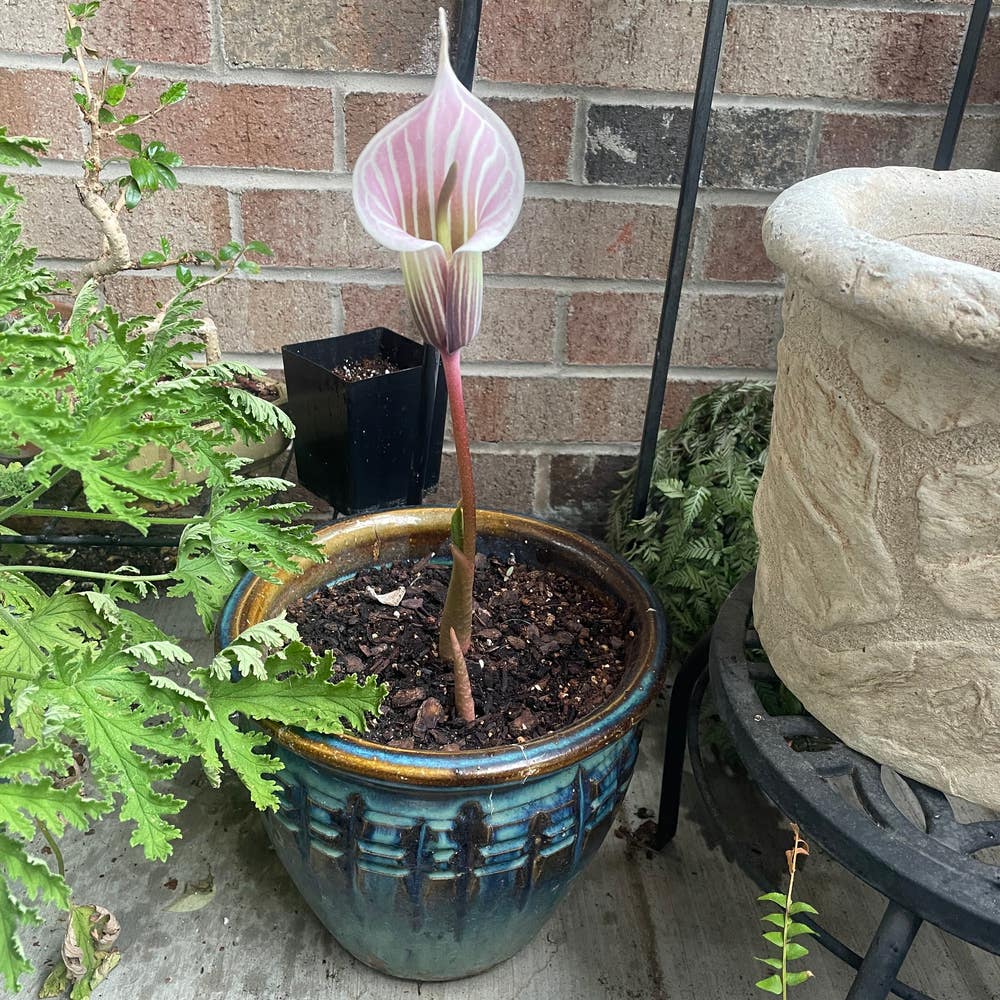
🐉 What Temperature Does My Dragon Root Need?
Arisaema dracontium
By the Greg Editorial Team
Mar 27, 2024•3 min read
This article was created with the help of AI so we can cover more plants for you. May contain errors. See one? Report it here.
Discover the secret to a vibrant Dragon Root by nailing the perfect temperature sweet spot 🌡️🌿.
- 65°F to 80°F ideal for Dragon Root health and growth.
- 🌡️ Consistent temperature prevents leaf discoloration and wilting.
- Monitor humidity with hygrometer to avoid leaf curl and root rot.
Hitting the Sweet Spot: Dragon Root's Ideal Temperature Range
♨️ What's Too Hot, What's Too Cold
Dragon Root plants thrive in a specific temperature range: between 65°F and 80°F (18°C to 27°C). Straying outside these limits can cause your plant to become the botanical equivalent of a grumpy cat—unhappy and underperforming.
🌡️ Consistency is Key
Consistency in temperature is not just preferred; it's essential. Sudden shifts can shock your Dragon Root, leading to a plant that looks as sad as a deflated balloon. Keep the environment stable, and your Dragon Root will reward you with robust growth.
When Your Dragon Root Feels Under the Weather: Recognizing Temperature Stress
🌡️ Tell-Tale Signs of Discomfort
Leaf discoloration and wilting are the Dragon Root's cries for help. Stunted growth is another red flag, signaling that your plant is not in its happy place, temperature-wise.
🕵️ The Usual Suspects
Extreme temperatures, drafts, and sudden changes in the environment are often the culprits behind your Dragon Root's distress. Keep an eye out for these common causes to ensure your plant's longevity.
Seasonal Shifts: Keeping Your Dragon Root Cozy All Year Round
❄️ Winter Woes
65-77°F is the sweet spot for your Dragon Root during winter's chill. Keep it away from drafts and cold windows; they're as unwelcome as a snowball to the face for these tropical plants. Consider a plant heat mat to maintain the temperature, ensuring your Dragon Root doesn't shiver through the season.
☀️ Summer Strategies
When summer turns up the heat, your Dragon Root doesn't need to sweat it out. Indirect light is its ally, shielding it from the leaf-frying effects of direct sunbeams. Promote good air circulation; it's as essential as a fresh breeze on a hot day. If the mercury climbs, position your plant in cooler areas, especially during scorching afternoons, and water just enough to dampen the soil without causing a flood.
A Quick Nod to Humidity
🌿 Balancing Act
Humidity and temperature are partners in crime when it comes to Dragon Root care. The right humidity level can mean the difference between a flourishing plant and one that's just surviving.
🌡️ Humidity's Role
Dragon Root plants bask in humidity levels around 50%. Too low, and you'll witness the sad tale of leaf curl and crispy tips. Too high, and you're practically inviting root rot to the party.
💨 Humidity and Airflow
It's essential to keep the air around your Dragon Root moving. A stagnant atmosphere is a breeding ground for trouble. Use a fan or crack a window to keep things fresh.
💦 Humidity Solutions
If you're battling low humidity, consider grouping plants together or using a pebble tray. For excess moisture, improve air circulation or relocate your plant to a drier locale.
🌡️ Monitoring Humidity
Don't play guessing games with humidity. Arm yourself with a hygrometer and adjust your care routine accordingly. Remember, consistency is key, and your Dragon Root will thank you with vibrant health.
⚠️ Safety First
This content is for general information and may contain errors, omissions, or outdated details. It is not medical, veterinary advice, or an endorsement of therapeutic claims.
Always consult a qualified healthcare professional before using any plant as food, medicine, or supplement.
Never eat any plant (or feed one to pets) without confirming its identity with at least two trusted sources.
If you suspect poisoning, call Poison Control (800) 222-1222, the Pet Poison Helpline (800) 213-6680, or your local emergency service immediately.
Spotted an error? Please report it here.
Ensure your Dragon Root plant flourishes 🌡 by using Greg to monitor and adjust your home's conditions for that perfect tropical vibe.