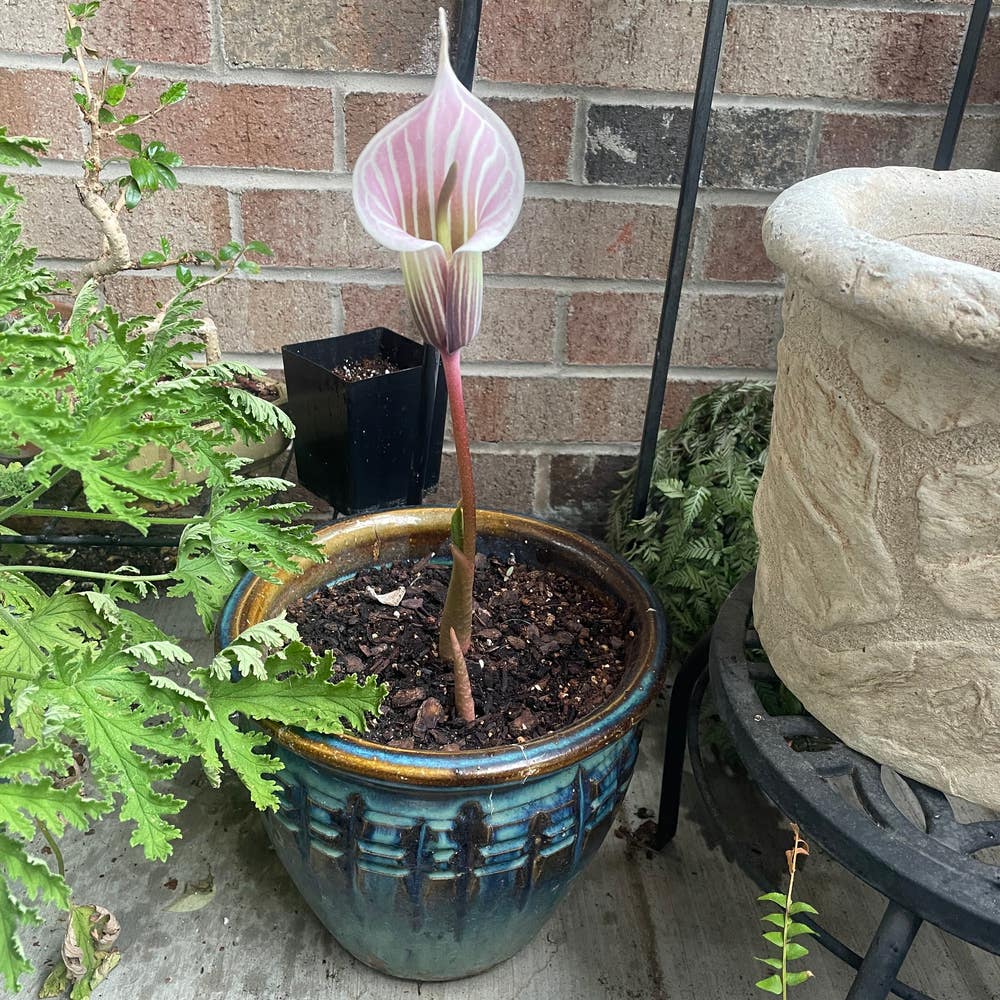
🐉 What Do I Do About dragon root root rot?
Arisaema dracontium
By the Greg Editorial Team
Mar 27, 2024•3 min read
This article was created with the help of AI so we can cover more plants for you. May contain errors. See one? Report it here.
Rescue your Dragon Root from root rot's grip 🐉 with these essential detection and treatment tips!
- 🌱 Yellow leaves and wilting may signal root rot in Dragon Root plants.
- Trim damaged roots and repot with well-draining soil for recovery.
- Consistent watering and airflow prevent future root rot issues.
Spotting the Red Flags: Symptoms of Root Rot
🚨 Visual Clues
Yellowing leaves and wilting are not just your plant's latest fashion statement; they're distress signals. When your Dragon Root starts looking more like a limp salad than a mythical creature, it's time to pay attention.
🕵️♂️ Getting to the Root of It
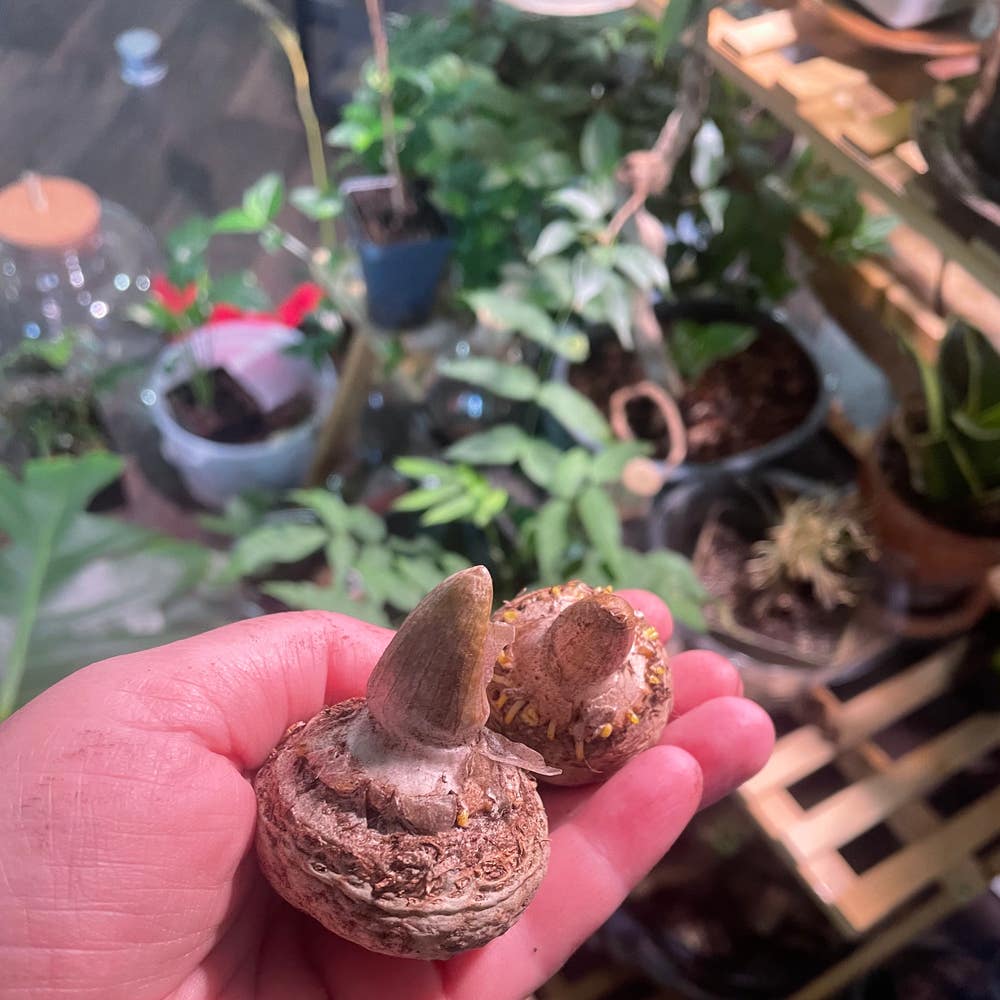
Gently remove your plant from its pot to play detective with its roots. Healthy roots should look like they're ready for a photoshoot—firm and white. If they're more on the mushy, brown side, you've got a case of root rot on your hands. Remember, a funky smell from the soil is the unwelcome confirmation of your suspicions.
The Rescue Mission: Treating Root Rot in Dragon Root
🚨 Immediate Lifesaving Steps
Remove and Clean
First, evict your Dragon Root from its pot like it's the last day of the month. Wash the roots gently to get a clear view of the damage.
Trim the Damage
Next, sterilize your pruning tools—think surgeon's scalpel. Cut away the mushy, discolored roots. Sterilize again after each cut to avoid spreading the rot like bad gossip.
🌱 Rehab for Roots
Soil Selection
Choose a well-draining soil mix for the repotting ceremony. It's all about creating a breathable space for the roots, not a swamp.
Repotting Technique
Repot with care, ensuring the roots aren't packed tighter than a rush-hour subway. The pot should have drainage holes to let excess water escape like a leaky boat.
Watering Adjustments
Watering is now a privileged act. Wait until the top inch of soil is dry—your Dragon Root isn't a fish, it doesn't need to swim.
🍄 Fighting the Fungus Among Us
Natural Remedies
Consider a sprinkle of cinnamon on the roots—it's not just for lattes anymore. It's a natural fungicide, so season those roots like a holiday pie.
Chemical Fungicides
If you're going the chemical route, pick a fungicide that's more suited for your Dragon Root than coffee is for early mornings. Follow the label like it's the law of the land.
Remember, the goal is to give your plant a fighting chance, not drown it in chemicals like it's a salad in dressing.
Keeping the Dragon at Bay: Preventing Future Root Rot
💧 Water Wisdom
Consistency is your new mantra when it comes to watering your Dragon Root plant. Overzealous watering is a one-way ticket to root rot city. Check the top inch of soil; if it's dry, it's time to water. If not, put that watering can down. It's a simple touch-test that could save your plant's life.
🏡 The Right Home for Your Dragon
Choosing the right pot is like picking a well-fitting pair of shoes for a marathon runner. Drainage holes are non-negotiable; they're the escape route for excess water. Size-wise, go for cozy, not cavernous—a pot that's just right will prevent water from pooling and causing root rot. And for soil, think well-draining; a mix with perlite or sand will give your plant the breathable home it deserves.
💨 Circulation and Climate Control
Air flow is the unsung hero in the fight against root rot. Stagnant air is as appealing to fungi as leftover pizza is to college students. So, keep the air moving around your Dragon Root with a fan or by cracking a window. Humidity should be Goldilocks-level—not too high, not too low. A pebble tray or dehumidifier can help you hit that sweet spot. Remember, a happy Dragon Root is one with fresh air and just the right amount of moisture.
⚠️ Safety First
This content is for general information and may contain errors, omissions, or outdated details. It is not medical, veterinary advice, or an endorsement of therapeutic claims.
Always consult a qualified healthcare professional before using any plant as food, medicine, or supplement.
Never eat any plant (or feed one to pets) without confirming its identity with at least two trusted sources.
If you suspect poisoning, call Poison Control (800) 222-1222, the Pet Poison Helpline (800) 213-6680, or your local emergency service immediately.
Spotted an error? Please report it here.
Combat dragon root rot by trimming and repotting 🌱, and let Greg's custom watering plan ensure you water just right—no more guesswork!