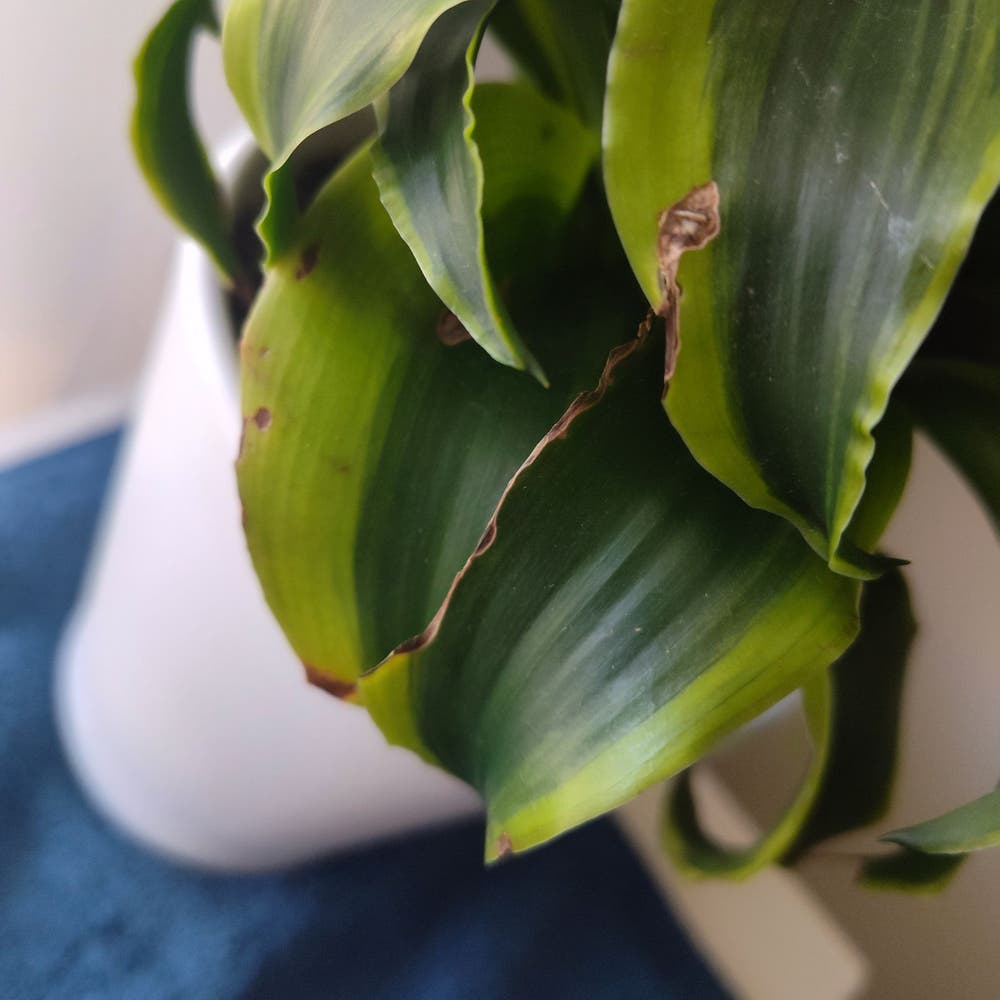
How to Propagate Your Dracaena 'Tornado'
Dracaena fragrans 'Tornado'
By the Greg Editorial Team
Jun 18, 2024•4 min read
This article was created with the help of AI so we can cover more plants for you. May contain errors. See one? Report it here.
- Choose a healthy stem and use rooting hormone for successful propagation.
- Maintain ideal conditions: indirect light, 75°-80°F, and high humidity.
- Be patient and monitor for root development and potential issues.
Choosing Your Propagation Adventure
🌱 Stem Cuttings
Selecting the right stem is crucial. Look for a robust branch, ideally 4-6 inches long with several leaf nodes.
Snip and Dip: Cut just below a node at an angle to maximize rooting area. Remove lower leaves, leaving a few at the top. Dip the cut end in rooting hormone to kickstart growth. Choose between rooting in water or soil; water lets you watch roots develop, while soil offers a stable environment.
✂️ Air Layering
Materials and Initial Preparations
Gather your tools: a sharp knife, sphagnum moss, rooting hormone, plastic wrap, and ties. Soak the moss to ensure it's ready for action.
The Air Layering Process
Select a healthy, pliable branch. Make an upward incision about one-third into the stem and apply rooting hormone. Keep the cut open with a toothpick, wrap with moist sphagnum moss, and secure with plastic wrap. Roots will signal success.
🌿 Offsets or Suckers
Spot offsets at the base of your Dracaena 'Tornado'. Gently separate these from the parent plant, ensuring each has roots attached. Pot them individually, and watch them grow into independent plants.

Setting the Stage for Success
🌞 The Right Spot
Light and temperature are the backstage crew for propagation success. Your Dracaena 'Tornado' cuttings need a spot that's the Goldilocks zone of light: bright but not direct. Indirect sunlight is the sweet spot, like the gentle glow of a morning sun. Keep the temperature comfortable, between 75° and 80°F—warm enough to encourage growth but not so hot that your plant starts to stress.
💦 Humidity Haven
Creating the right humidity is like throwing a VIP party for your cuttings. Aim for a humidity level of 85% or above, but stop short of creating a miniature rainforest. Use a humidity dome or a plastic bag to keep the air around your cuttings moist. Remember to check on them regularly, like a concerned plant parent, ensuring the environment is consistently humid without being soggy. Keep the medium moist, but not waterlogged, to strike the perfect balance for your tropical guests.

Nurturing Your New Dracaena 'Tornado'
🌱 The First Few Weeks
In the initial weeks after propagation, your Dracaena 'Tornado' is vulnerable and needs extra attention. Watering is crucial; let the top 2 inches of soil dry out before giving it a drink. Avoid overwatering—soggy soil is a one-way ticket to root rot city.
Monitor your plant's environment. It should be in a bright spot with indirect light, shielded from the harsh sun. Remember, these are the formative days for your plant's future resilience.
🌿 Transition Time
When it's time to pot your Dracaena, choose a well-draining soil mix to prevent waterlogging. A pot 2 inches larger than the root ball allows for growth without drowning the roots in excess soil.
Acclimatize your plant to its new home by keeping it away from direct sunlight and skipping the fertilizer for the first month. Gradually introduce it to normal conditions, reducing any extra humidity over several days. This helps your Dracaena 'Tornado' toughen up for the less pampered, real-world indoor climate.

Propagation Pitfalls and How to Dodge Them
🌱 Root Rot and Other Woes
Root rot is the grim reaper of propagation. If your Dracaena 'Tornado' cuttings are looking more like a horror movie than a horticultural triumph, it's time to act. Snip the soggy parts and let the healthy tissue callus before replanting in well-draining soil. Overwatering is the culprit behind this soggy saga, so keep the waterworks in check.
Airflow is your secret weapon against fungal foes like gray mold and powdery mildew. Think of good circulation as your garden's immune system, keeping pathogens at a distance. If you spot an invasion, go ninja on it: remove the affected areas and consider a fungicide.
Pests and diseases are like those annoying party crashers. Regular inspections are your bouncer, keeping these unwanted guests from ruining your propagation party. If they slip through, swift action is your best defense.
🕰 Patience is a Virtue
Timing is everything in the world of propagation. Expect to play the waiting game, as roots take their sweet time to develop. Resist the urge to poke around for progress; give it a couple of months before you start expecting to see results.
Callusing is a test of patience. Let the cut end of your stem dry out to prevent rot. If you're feeling bold, you can plant immediately, but know you're rolling the dice.
Remember, propagation isn't a sprint; it's a marathon with hurdles. With these tips, you're equipped to clear every obstacle. Keep your eyes peeled for root development and adjust your care routine if growth seems stagnant. Remember, less is often more when it comes to watering.
⚠️ Safety First
This content is for general information and may contain errors, omissions, or outdated details. It is not medical, veterinary advice, or an endorsement of therapeutic claims.
Always consult a qualified healthcare professional before using any plant as food, medicine, or supplement.
Never eat any plant (or feed one to pets) without confirming its identity with at least two trusted sources.
If you suspect poisoning, call Poison Control (800) 222-1222, the Pet Poison Helpline (800) 213-6680, or your local emergency service immediately.
Spotted an error? Please report it here.
Propagate your Dracaena 'Tornado' with confidence as Greg tracks the humidity and watering 🌱, perfectly tuning into your plant's needs for robust roots and lush growth.