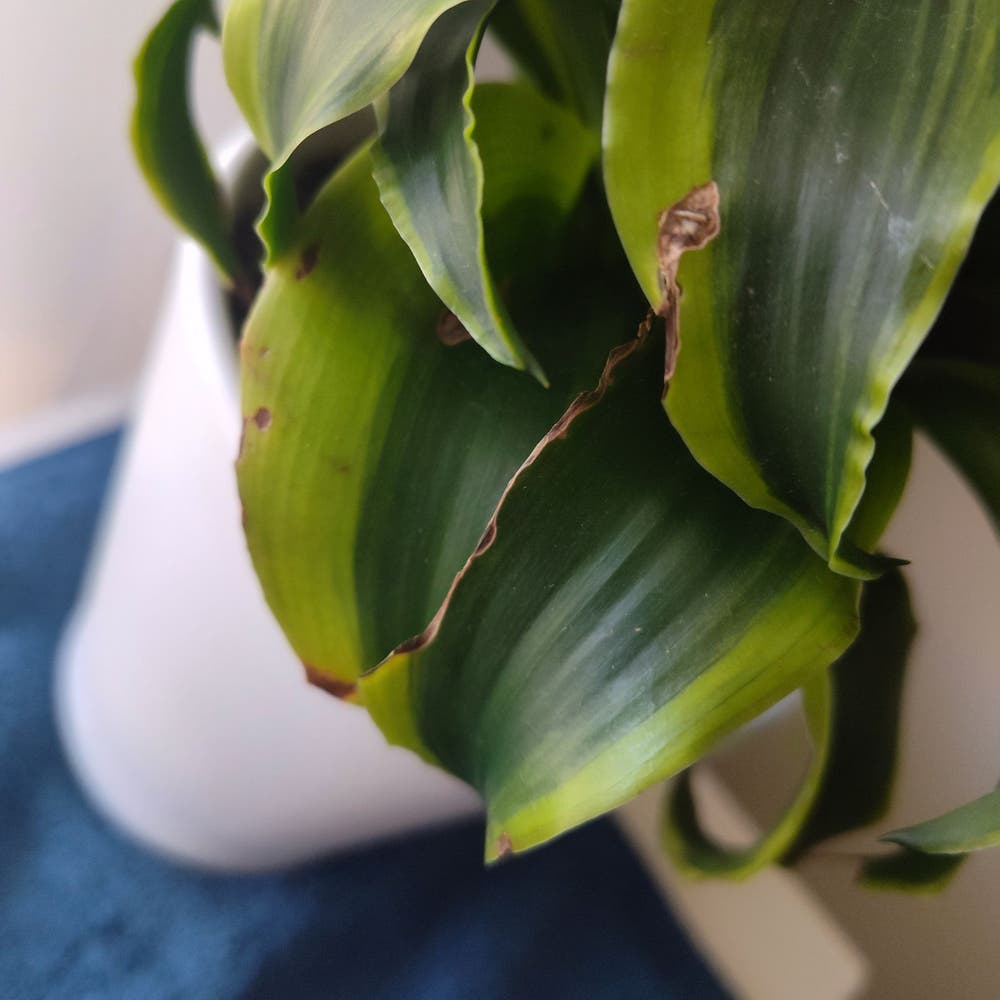
9 Essential Outdoor Dracaena 'Tornado' Care Routines 💧
Dracaena fragrans 'Tornado'
By the Greg Editorial Team
Oct 02, 2024•6 min read
This article was created with the help of AI so we can cover more plants for you. May contain errors. See one? Report it here.
- ☀️ Dracaena 'Tornado' thrives in 6-8 hours of sunlight; avoid shaded areas for best growth.
- 💧 Check soil moisture regularly; water when dry to prevent yellowing leaves and wilting.
- 🌱 Fertilize every 4-6 weeks during growing season for optimal health and growth.
Sunlight and Location
Ideal sunlight exposure 🌞
Dracaena 'Tornado' thrives in full sun but can also adapt to partial shade. For optimal growth, aim for 6-8 hours of sunlight daily to ensure vibrant foliage and robust health.
Choosing the right location 🏡
When selecting a spot for your Dracaena, consider its proximity to structures and other plants. Avoid shaded areas, as they can stunt growth and lead to a less vigorous plant.
Ensure your Dracaena is positioned where it can soak up the sun without obstruction. This will help it flourish and maintain its striking appearance.
By carefully choosing the right sunlight exposure and location, you set the stage for a thriving Dracaena 'Tornado'. Next, let’s dive into its watering requirements to keep your plant hydrated and healthy.
Watering Requirements
🌊 Determining Watering Needs
Understanding your Dracaena 'Tornado's' watering needs is crucial for its health. Start with soil moisture testing; simply stick your finger about an inch into the soil. If it feels dry, it's time to water.
Frequency of watering varies with the weather and season. Generally, during warmer months, you might need to water more often, while cooler months call for less frequent watering.
🚫 Signs of Overwatering and Underwatering
Recognizing the signs of overwatering is essential. Look for yellowing leaves or mushy roots, which can indicate root rot.
On the flip side, underwatering shows up as wilting leaves or brown tips. Both conditions can stress your plant, so keep a close eye on its appearance.
🌦️ Seasonal Watering Adjustments
Adjust your watering routine with the changing seasons. In hot summer months, increase your watering frequency to keep the soil moist.
Conversely, during cooler seasons, reduce watering. Always monitor rainfall and humidity levels, as these can significantly impact your plant's hydration needs.
By staying attentive to these factors, you can ensure your Dracaena 'Tornado' thrives throughout the year. Next, let’s explore the best soil and fertilization practices to support its growth.
Soil and Fertilization
Best Soil Types 🌱
Dracaena 'Tornado' thrives in well-draining soil. A mixture of potting soil and perlite is ideal, ensuring that excess water can escape easily.
The pH level is also crucial. Aim for slightly acidic to neutral soil, ideally between pH 6.0 and 7.0, to promote healthy growth.
Fertilization Schedule 📅
For optimal growth, use balanced NPK fertilizers or organic options. Fertilize every 4-6 weeks during the growing season to provide essential nutrients.
This regular feeding will help your Dracaena flourish and maintain vibrant foliage.
Importance of Drainage 🚰
Proper drainage is vital to prevent root rot, a common issue for Dracaena plants. Ensure your pot or garden bed has adequate drainage holes.
If you’re dealing with heavy soils, consider techniques like adding sand or gravel to improve drainage. This simple step can make a significant difference in your plant's health.
With the right soil and fertilization practices, your Dracaena 'Tornado' will be well-equipped to thrive. Next, let’s explore the differences between container and in-ground planting to find the best fit for your gardening style.
Container vs. In-Ground Planting
🌱 Benefits of Container Planting
Container planting offers remarkable mobility. You can easily relocate your Dracaena 'Tornado' based on seasonal changes or shifting sunlight patterns.
Additionally, containers provide a controlled environment. This means better soil management and drainage, which are crucial for healthy growth.
🌍 Benefits of In-Ground Planting
On the other hand, in-ground planting allows for natural growth conditions. Your plant has more space for root expansion, which can lead to a more robust structure.
Moreover, in-ground plants typically require less frequent watering. The ground retains moisture better, making it easier for your Dracaena to thrive.
⚖️ Drawbacks of Each Method
However, container planting does come with its challenges. It can limit growth potential and often requires more frequent watering.
In contrast, in-ground planting has its own set of drawbacks. You have less control over soil conditions, and there’s a higher risk of pest issues.
🧐 Choosing the Best Option
When deciding between these methods, consider your available space and climate. Personal preferences also play a significant role in making the best choice for your Dracaena 'Tornado'.
Ultimately, weigh the pros and cons to find what suits your gardening style and environment best. This thoughtful approach will set you up for success in nurturing your plant.
Protection from Weather and Pests
🌧️ Strategies for Weather Protection
Protecting your Dracaena 'Tornado' from harsh weather is crucial for its health. Start by using mulch around the base; it retains moisture and helps regulate soil temperature.
During extreme heat, providing shade can prevent stress on the plant. Windbreaks are also essential during storms, as they shield your plant from damaging winds.
🐛 Managing Outdoor Pests
Pests can be a nuisance, but identifying them early makes management easier. Common culprits include aphids, spider mites, and mealybugs.
For pest control, consider organic options like neem oil or insecticidal soap. These methods are effective and safer for your garden ecosystem.
🦠 Diseases and Prevention
Dracaena 'Tornado' can fall victim to diseases like root rot and leaf spot. Recognizing these issues early is key to prevention.
To keep your plant healthy, focus on proper watering techniques and soil management. Regular sanitation practices can also help minimize disease risks.
By implementing these protective measures, your Dracaena 'Tornado' will thrive despite weather challenges and pest threats. Next, let’s explore seasonal care routines to keep your plant flourishing throughout the year.
Seasonal Care and Climate Zone Considerations
🌱 Seasonal Care Routines
Caring for your Dracaena 'Tornado' varies with the seasons.
Spring is the time for fertilization and monitoring new growth. This is when your plant starts to wake up, so a balanced fertilizer will give it the boost it needs.
Summer calls for increased watering and vigilance against pests. The heat can stress your plant, making it more susceptible to unwanted visitors.
As fall approaches, prepare for cooler temperatures and potential frost. This is crucial for protecting your plant from the chill.
In winter, focus on protection against cold and dry conditions. Consider moving your plant indoors or providing additional insulation if it's in a container.
🌍 Adjusting Care Based on Climate Zones
Understanding USDA hardiness zones is essential for Dracaena 'Tornado' care.
These zones help you tailor your care routines to specific climate challenges. For instance, if you live in a warmer zone, your watering needs may differ significantly from those in cooler areas.
🔄 Preparing for Seasonal Changes
Transitioning care practices as seasons change is vital.
Monitor weather forecasts for extreme conditions to adjust your routine accordingly. Being proactive can save your plant from unnecessary stress and damage.
By staying attuned to seasonal shifts and climate specifics, you can ensure your Dracaena 'Tornado' thrives year-round. Next, let’s explore how to protect your plant from weather extremes and pests.
⚠️ Safety First
This content is for general information and may contain errors, omissions, or outdated details. It is not medical, veterinary advice, or an endorsement of therapeutic claims.
Always consult a qualified healthcare professional before using any plant as food, medicine, or supplement.
Never eat any plant (or feed one to pets) without confirming its identity with at least two trusted sources.
If you suspect poisoning, call Poison Control (800) 222-1222, the Pet Poison Helpline (800) 213-6680, or your local emergency service immediately.
Spotted an error? Please report it here.
Keep your Dracaena 'Tornado' thriving with tailored care tips 🌱 from Greg, ensuring it gets the right sunlight and watering reminders for a vibrant outdoor display!