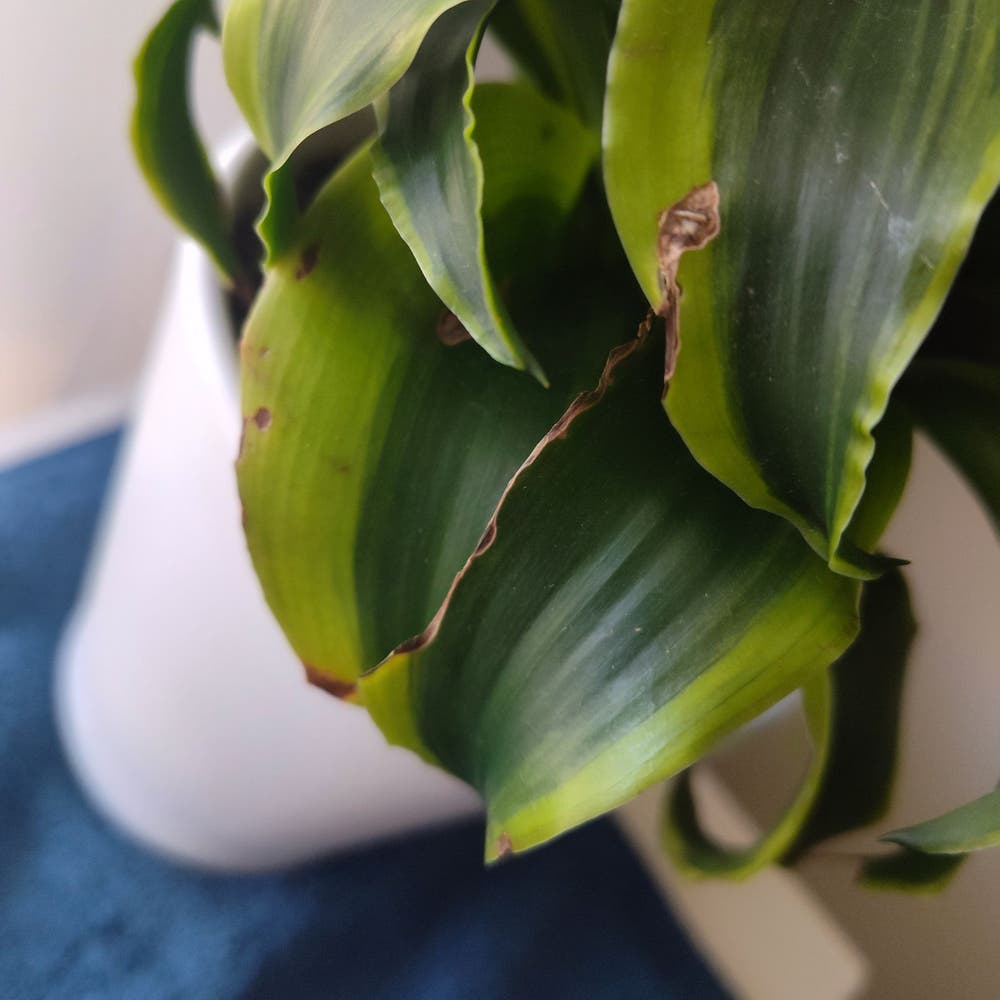
🌪️ 5 Secrets to Successfully Grow Dracaena 'Tornado'
Dracaena fragrans 'Tornado'
By the Greg Editorial Team
Oct 02, 2024•5 min read
This article was created with the help of AI so we can cover more plants for you. May contain errors. See one? Report it here.
- 🌞 Dracaena 'Tornado' thrives in bright, indirect light; avoid direct sunlight to prevent scorching.
- 💧 Water only when the top inch is dry to prevent yellowing leaves and root rot.
- 🌿 Maintain humidity and use well-draining soil for optimal growth and health.
Choosing the Right Location
Light Requirements 🌞
Dracaena 'Tornado' thrives in bright, indirect light but can adapt to lower light conditions. However, be cautious—direct sunlight can scorch its leaves and stunt growth.
Indoor vs. Outdoor Growing Conditions 🏡
For indoor settings, this plant flourishes in homes with ample indirect light. Outdoors, it prefers shaded areas or spots with partial sunlight, ensuring it stays protected from harsh rays.
Ideal Temperature and Humidity Levels 🌡️
The optimal temperature range for your Dracaena 'Tornado' is between 65°F to 80°F (18°C to 27°C). It enjoys moderate humidity, so consider using a humidifier if your environment is particularly dry.
By carefully selecting the right location, you set the stage for your Dracaena 'Tornado' to thrive. Next, let’s dive into soil preparation and planting to ensure a strong foundation for your plant’s growth.
Soil Preparation and Planting
🌱 Best Soil Types
For your Dracaena 'Tornado', a well-draining potting mix is essential. A blend of peat, perlite, and pine bark works wonders, ensuring your plant thrives.
Avoid heavy soils at all costs. They can lead to root rot, which is a surefire way to hinder your plant's growth.
⚖️ Soil pH Considerations
Maintaining the right soil pH is crucial for nutrient absorption. Aim for a range of 6.0 to 6.5 for optimal health.
To check your soil's pH, use a soil pH meter or a test kit. This simple step can make a significant difference in your plant's vitality.
🪴 Step-by-Step Planting Instructions
- Choose a pot with drainage holes to prevent waterlogging.
- Fill the pot with your prepared soil mix, leaving enough space for the root ball.
- Remove the plant from its nursery pot, gently loosening any tightly bound roots to encourage growth.
- Place the plant in the center of the new pot and fill in with soil, ensuring the root ball is level with the soil surface.
- Water thoroughly to settle the soil around the roots, giving your plant a solid start.
By following these steps, you'll create a nurturing environment for your Dracaena 'Tornado'. This foundation sets the stage for healthy growth and vibrant foliage.
Next, let’s dive into the essential aspects of watering and fertilizing your plant to keep it thriving.
Watering and Fertilizing
💧 Watering Frequency and Techniques
To keep your Dracaena 'Tornado' thriving, allow the top inch of soil to dry out before watering again. When you do water, do so thoroughly until it drains from the bottom; just remember, standing water is a no-go.
🚨 Signs of Overwatering and Underwatering
Watch for yellowing leaves, mushy roots, and a foul smell—these are clear signs of overwatering. On the flip side, if you notice brown leaf tips, wilting, or dry soil, your plant might be thirsty.
🌱 Recommended Fertilizers and Feeding Schedule
During the growing season, fertilize your plant every 4-6 weeks. A balanced liquid fertilizer diluted to half strength works wonders for nutrient absorption and overall health.
By mastering these watering and fertilizing techniques, you'll set your Dracaena 'Tornado' up for success. Next, let’s dive into the essential pruning and maintenance practices to keep your plant looking its best.
Pruning and Maintenance
When and How to Prune 🌱
Early spring is the best time to prune your Dracaena 'Tornado' for rejuvenation. Use clean, sharp scissors to remove any dead or damaged leaves, and shape the plant for a fuller appearance.
Importance of Regular Maintenance 🧹
Regular inspections are crucial for keeping your plant healthy. Check for pests and signs of stress, and don’t forget to wipe the leaves with a damp cloth to remove dust, enhancing photosynthesis.
Tips for Keeping the Plant Healthy 🌿
To promote even growth, rotate your plant regularly. Additionally, monitor humidity levels using a hygrometer to ensure optimal conditions for your Dracaena.
By following these pruning and maintenance tips, you’ll set your Dracaena 'Tornado' up for success. Next, let’s dive into common challenges and solutions to keep your plant thriving.
Common Challenges and Solutions
🐛 Identifying and Managing Pests
Common Pests
Dracaena 'Tornado' can attract a few unwelcome guests. Spider mites are a common issue; you’ll notice fine webbing and stippled leaves as telltale signs. Mealybugs appear as cotton-like clusters on stems and leaf joints, making them easy to spot.
Control Methods
To tackle these pests, consider using insecticidal soap or neem oil for effective treatment. Regular inspections are crucial; manually removing pests can also help keep your plant healthy.
🦠 Addressing Common Diseases
Root Rot
One of the most serious threats to your Dracaena is root rot. Symptoms include wilting, yellowing leaves, and mushy roots. Prevention is key: ensure your soil is well-draining and avoid overwatering.
🧐 Troubleshooting Growth Issues
Yellowing Leaves
If you notice yellowing leaves, it could be due to overwatering, nutrient deficiencies, or poor light conditions. Adjust your watering schedule and check the soil quality to remedy this issue.
Stunted Growth
Stunted growth can signal root-bound conditions or inadequate light. To resolve this, repot your plant into a larger container and ensure it receives proper light exposure.
By staying vigilant and addressing these common challenges, you can keep your Dracaena 'Tornado' thriving and vibrant. Next, let’s explore effective pruning and maintenance strategies to further enhance your plant's health.
⚠️ Safety First
This content is for general information and may contain errors, omissions, or outdated details. It is not medical, veterinary advice, or an endorsement of therapeutic claims.
Always consult a qualified healthcare professional before using any plant as food, medicine, or supplement.
Never eat any plant (or feed one to pets) without confirming its identity with at least two trusted sources.
If you suspect poisoning, call Poison Control (800) 222-1222, the Pet Poison Helpline (800) 213-6680, or your local emergency service immediately.
Spotted an error? Please report it here.
Grow your Dracaena 'Tornado' flourishingly 🌿 by using Greg's tailored care reminders to master its light and watering needs for a vibrant, healthy plant!