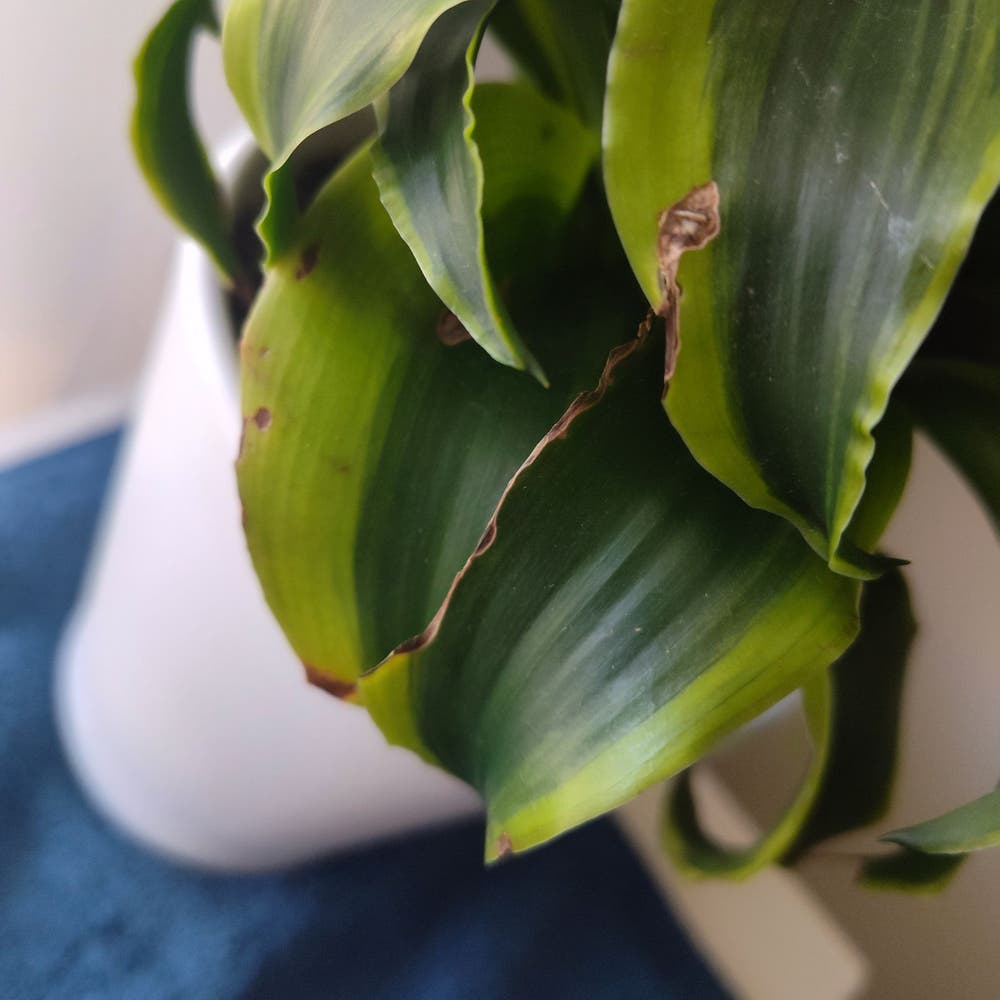
🐛 What To Do About Bugs on My Dracaena 'Tornado'?
Dracaena fragrans 'Tornado'
By the Greg Editorial Team
Jun 18, 2024•6 min read
This article was created with the help of AI so we can cover more plants for you. May contain errors. See one? Report it here.
- 🌱 Yellowing leaves and wilting signal possible pest infestation.
- 🚿 Use isopropyl alcohol, neem oil, or water blasts for treatment.
- 🛡️ Quarantine new plants, clean tools, and monitor regularly for prevention.
Spotting Trouble: Signs Your Dracaena 'Tornado' Has Unwanted Guests
🐛 Telltale Signs of Pest Infestation
Yellowing leaves or wilting? Could be pests. Stunted growth? Definitely suspicious. Pests like spider mites leave behind fine webbing—a clear sign of trouble.
🕵️ Quick Tips for Early Detection
Inspect regularly. Lift leaves, check stems. Spider mites? They're tiny but mighty, leaving yellow specks. Scale or mealybugs? Look for waxy or cottony deposits. Fungus gnats? Your soil's too happy—cut back on the water.
🚨 Vigilance is Key
Quarantine new plants. They could be Trojan horses for pests. Clean tools and pots prevent pest parties. Keep your Dracaena 'Tornado' in check—regular monitoring is your best defense.

Tackling the Tiny Terrors: Spider Mites and Thrips
🕷️ Spider Mites
Spotting the Webby Warning Signs
Webbing on your Dracaena 'Tornado' is a red flag. These pests spin fine silk over the foliage, signaling an infestation. Yellow speckling on leaves is another symptom of their sap-sucking spree.
🏡 Home Remedies and Treatments
For a DIY fix, mix isopropyl alcohol (1 cup) with water (30 oz) and spray with gusto. Neem oil is another go-to; it's a natural mite nemesis. Apply thoroughly, especially under leaves. Remember, these critters despise moisture, so increasing humidity can help keep them at bay.
🦗 Thrips
Identifying the Stealthy Silver Streaks
Thrips are masters of hide and seek. Look for silvery trails and stippled leaves. These slender bugs are tiny, but their damage is not. They love the nooks and crannies of your plant.
🛡️ Combating Thrips Effectively
Water blasts can dislodge these pests. For a more strategic strike, introduce beneficial insects like lacewings. They're the good guys in this scenario. And as always, isolate the infected plant to prevent a full-blown thrip thriller in your home.

Squashing the Sticky Situations: Scale and Mealybugs
🐞 Scale
Camouflaged critters cling to your Dracaena 'Tornado', masquerading as part of the plant. Scale insects, with their waxy exteriors, can be hard or soft and exhibit a variety of colors and shapes. They're tiny, but their impact is not.
To unmask these pests, look for unusual bumps on leaves and stems. Yellowing foliage and sticky honeydew are distress signals. This gooey excretion can lead to sooty mold, an unsightly black coating on your plant.
Safe removal starts with manual methods. Don gloves and peel these pests off like unwanted stickers. If they're stubborn, dab them with alcohol-soaked cotton swabs. For a broader assault, concoct a mixture of soap and oil and apply it to the infested areas.
🦠 Mealybugs
Cottony chaos erupts as mealybugs invade, leaving fluffy white clusters in their wake. These soft-bodied pests prefer the cozy nooks of your plant, especially the stems and leaf joints.
Spotting mealybugs early is crucial. Their presence can quickly escalate from a few white specks to full-blown infestations. Look for their signature white masses, which can grow quite large as the population increases.
Eradication can be straightforward. Physically remove what you can see. For those hiding, use the alcohol method or introduce insecticidal soap or neem oil into your plant care routine. Remember, vigilance is key—regular checks and prompt treatment will keep these pests at bay.

Fungus Gnats and Whiteflies: The Flying Foes
🦟 Fungus Gnats / Fruit Flies
Catching the Soil Skulkers
Fungus gnats and fruit flies are notorious for their love of moist soil and decaying organic matter. Spot these pests by their erratic flight near soil or windows. They're small, dark, and resemble mosquitoes in their build. To catch these pests, yellow sticky traps are your go-to. They're like fly paper for these airborne annoyances, snagging adults mid-flight.
Ground Tactics to Nip Gnats
To halt their life cycle, dry out the soil between waterings. This desiccates larvae and deters adults seeking a breeding ground. A top-dressing of sand can act as a barrier, preventing new larvae from joining the party. For a more aggressive approach, mix hydrogen peroxide with water and drench the soil, targeting the larvae directly. Remember, it's a battle on two fronts: adults and larvae.
🕊️ Whiteflies
Seeing Through the Whitefly Whirl
Whiteflies are the tiny, powdery-winged pests that flock to the undersides of leaves. They leave behind a sticky residue, making plants look like they've been dusted with flour. Catch them in the act by looking for a cloud of tiny white insects when you disturb your plant.
Aerial Defenses Against Whitefly Invasions
For these pests, sticky traps can also work wonders, reducing their numbers as they fly into the sticky demise. If you're feeling a bit more hands-on, a vacuum can literally suck the problem away. For those leaning towards biological warfare, introduce Beauveria bassiana, a fungus that preys on whiteflies. And if you're ready to bring out the big guns, insecticides like pyriproxyfen can clear the air, but use them as a last resort and follow label directions to the letter.
Proactive Pest Patrol: Prevention and Maintenance
🐜 Integrating Pest Prevention with Care Routines
Consistency is your plant's best friend and pests' worst enemy. Watering, lighting, and feeding should be as predictable as your morning coffee. Seasonal shifts? Adjust care like you do your wardrobe, keeping your Dracaena 'Tornado' in peak condition.
🐞 Enlisting Natural Allies and Smart Plant Hygiene
Beneficial bugs are the bouncers at the door of your Dracaena 'Tornado' party. Ladybugs and lacewings? They're on your VIP list for aphid control. Neem oil and insecticidal soaps? They're your bouncers' backup.
🕵️ Regular Inspections: The Neighborhood Watch
Your plant needs a guardian. Regular check-ups are like a neighborhood watch, keeping pests in check. Spot a bug? It's eviction time. Cleanliness is next to pestlessness—keep those leaves and surrounding areas debris-free.
🌬️ Cultural Control: The Environment Matters
Stagnant air and clutter are a pest's paradise. Airflow and cleanliness are your stealth weapons. Pruning? It's not just for looks—it's like pest prevention pilates for your plant.
🌱 Anticipation and Adaptation: The Seasoned Gardener
New plants can be Trojan horses for pests. Quarantine them like you would a sneezy friend. Vigilance when seasons change or new plants arrive can save your Dracaena 'Tornado' from a bug bonanza.
🌿 Organic Methods: The Gentle Touch
Got pests? Roll out the organic red carpet with neem oil and insecticidal soaps. They're like bouncers who know how to handle trouble without starting a brawl. Diversity in planting is like a confusing party mix for pests—they can't find their favorite snack.
🕵️ Record Keeping: The Plant Detective's Log
Keep a log. It's like being a detective for your plant, tracking down what works and what doesn't. Sticky traps? They're your informants for flying pests.
🌡️ Environmental Controls: The Climate Engineer
Sanitize your tools and workspace like a surgeon. Optimal humidity and temperature are your climate control against pest invasions. It's like setting the thermostat to "no bugs allowed."
🧼 Sanitation: The Cleanliness Crusade
Quarantine protocol isn't just for pandemics—it's for your plants too. Keep your Dracaena 'Tornado' in a clean, clutter-free zone. It's like having a no-fly zone for pests.
⚠️ Safety First
This content is for general information and may contain errors, omissions, or outdated details. It is not medical, veterinary advice, or an endorsement of therapeutic claims.
Always consult a qualified healthcare professional before using any plant as food, medicine, or supplement.
Never eat any plant (or feed one to pets) without confirming its identity with at least two trusted sources.
If you suspect poisoning, call Poison Control (800) 222-1222, the Pet Poison Helpline (800) 213-6680, or your local emergency service immediately.
Spotted an error? Please report it here.
Safeguard your Dracaena 'Tornado' from pesky invaders by using Greg to monitor 🕵️♂️ and maintain the perfect plant care routine, ensuring a pest-free environment.