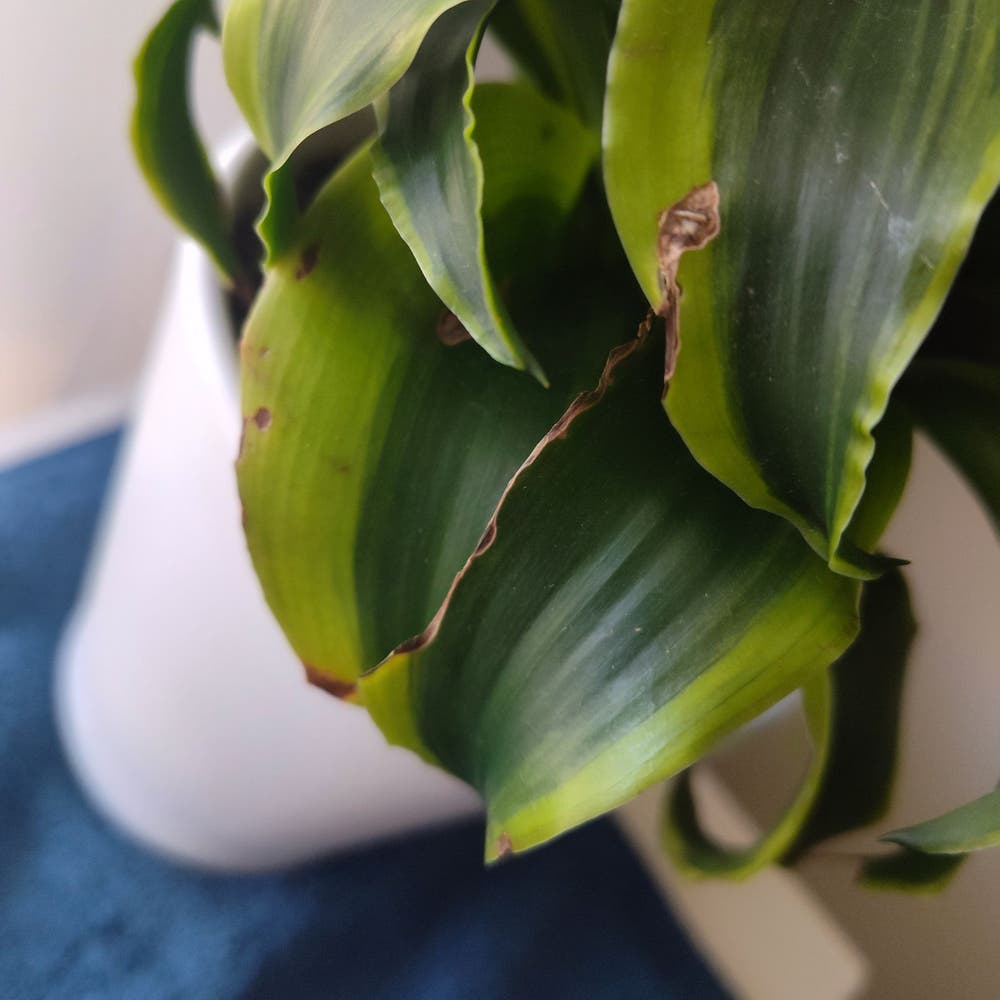
What to Do if Your Dracaena 'Tornado' Won't Flower
Dracaena fragrans 'Tornado'
By the Greg Editorial Team
Oct 02, 2024•4 min read
This article was created with the help of AI so we can cover more plants for you. May contain errors. See one? Report it here.
- 🌞 Bright, indirect light is essential for your Dracaena 'Tornado' to bloom.
- 🌱 Balanced fertilizers prevent nutritional imbalances that hinder flowering.
- 💧 Consistent watering and stable conditions are crucial for vibrant blooms.
Reasons for Failure to Bloom
🌱 Common Causes
If your Dracaena 'Tornado' isn't blooming, several factors could be at play.
Insufficient light exposure is a primary culprit; these plants thrive in bright, indirect light. Without it, they may struggle to produce flowers.
Nutritional imbalances can also hinder flower development. Too much or too little of essential nutrients can lead to disappointing results.
Inappropriate environmental conditions are another concern. Extreme temperatures or humidity levels can disrupt the bloom cycle, leaving your plant feeling out of sorts.
💡 Solutions
To encourage blooming, start by adjusting light conditions. Consider moving your plant to a brighter spot or using grow lights to supplement natural light.
Next, focus on nutrient management. A balanced fertilizer specifically designed for flowering plants can help restore the necessary nutrients for healthy blooms.
By addressing these common causes and implementing these solutions, you can set your Dracaena 'Tornado' on the path to vibrant flowering. Now, let’s dive into the causes of premature flower drop.
Causes of Premature Flower Drop
🌪️ Identifying Triggers
Premature flower drop in your Dracaena 'Tornado' can be frustrating. Stress factors, like sudden temperature fluctuations or drafts, can shock the plant and lead to bud drop.
Overwatering or underwatering also plays a crucial role. Both extremes can disrupt the plant's health, causing it to shed buds before they bloom.
🛠️ Solutions
To combat these issues, establish a consistent watering schedule. Aim for soil that is moist but not soggy, as this balance is key to keeping your plant happy.
Additionally, focus on maintaining environmental stability. Keeping temperature and humidity levels steady will help reduce stress and support healthy flowering.
By addressing these triggers and solutions, you can create a nurturing environment for your Dracaena 'Tornado' to thrive. Next, let’s explore how to identify signs of abnormal flower development.
Abnormal Flower Development
Signs of Abnormality 🌼
If your Dracaena 'Tornado' is showing deformed flowers, it could be a sign of underlying issues. Irregular shapes or sizes often indicate that something isn't quite right with your plant's care.
Delayed blooming is another red flag. If your flowers are taking longer than expected to develop, it may signal that adjustments are needed in your care routine.
Solutions 🛠️
Start by assessing your care practices. Review the light exposure, nutritional balance, and watering habits to pinpoint potential causes of the abnormalities.
Pruning techniques can also play a crucial role in encouraging healthy growth and flowering. Properly pruning your plant can stimulate new growth, leading to better flower development.
By addressing these factors, you can help your Dracaena 'Tornado' thrive and potentially enhance its blooming capabilities.
Next, let's explore how pruning and maintenance can further influence your plant's flowering success.
Pruning and Maintenance
🌼 How Pruning Affects Flowering
Pruning your Dracaena 'Tornado' can be a game-changer for its blooming potential. By trimming away old or unhealthy growth, you stimulate new growth, which can lead to more flowers.
However, be cautious—improper pruning can do more harm than good. Over-pruning or using the wrong techniques might stifle your plant's ability to flower.
✂️ Best Practices for Pruning
Timing
The best time to prune your Dracaena is during its active growing season, typically in spring or early summer. This timing allows the plant to recover quickly and encourages robust flowering.
Techniques
- Assess the Plant: Look for dead or yellowing leaves and any stems that appear weak.
- Use Clean Tools: Always use sharp, sterilized scissors or pruning shears to prevent infection.
- Make Clean Cuts: Cut just above a leaf node to encourage new growth.
- Limit the Amount: Aim to remove no more than 20% of the plant at one time to avoid shock.
By following these steps, you can ensure your Dracaena 'Tornado' remains healthy and primed for blooming.
With proper care and attention, your plant will thrive, setting the stage for vibrant flowers. Next, let’s explore how to monitor your plant for signs of stress and troubleshoot any issues that arise.
Monitoring and Troubleshooting
Signs of Stress 🌱
When your Dracaena 'Tornado' shows signs of stress, it's crucial to act quickly. Look for visual indicators like yellowing leaves, wilting, or stunted growth, which can signal underlying issues.
Behavioral changes are also key. If you notice shifts in growth patterns or flowering behavior, it’s time to investigate further.
When to Seek Professional Help 🆘
Sometimes, despite your best efforts, issues can escalate. If you identify severe problems—like persistent wilting or drastic leaf drop—consider consulting a plant care expert or horticulturist.
Local nurseries and online forums can be invaluable resources. They often have knowledgeable staff or community members ready to help troubleshoot your plant's specific needs.
By staying vigilant and proactive, you can ensure your Dracaena 'Tornado' thrives and blooms beautifully. Next, let's explore how pruning and maintenance can further enhance your plant's health and flowering potential.
⚠️ Safety First
This content is for general information and may contain errors, omissions, or outdated details. It is not medical, veterinary advice, or an endorsement of therapeutic claims.
Always consult a qualified healthcare professional before using any plant as food, medicine, or supplement.
Never eat any plant (or feed one to pets) without confirming its identity with at least two trusted sources.
If you suspect poisoning, call Poison Control (800) 222-1222, the Pet Poison Helpline (800) 213-6680, or your local emergency service immediately.
Spotted an error? Please report it here.
Unlock vibrant blooms 🌸 for your Dracaena 'Tornado' by using Greg's tailored care reminders and expert tips to ensure it thrives in the right light and moisture!