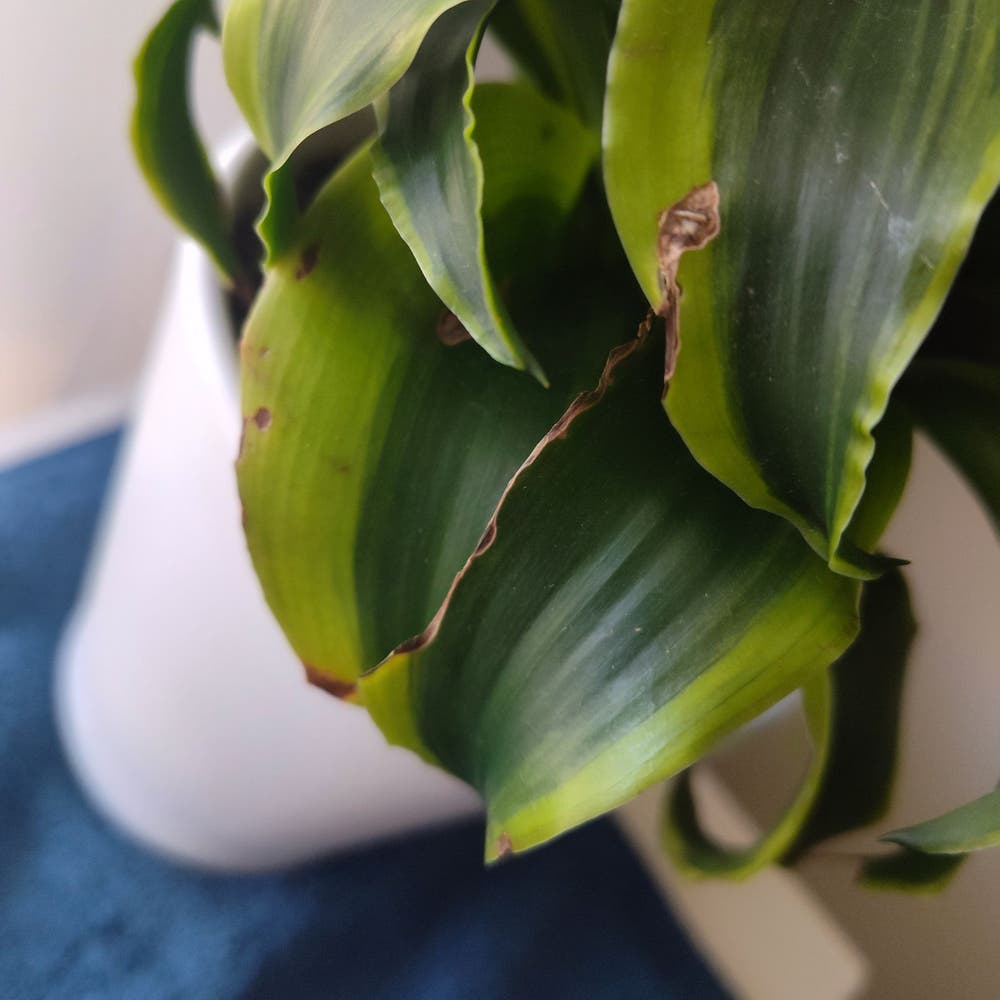
What Do I Do About Dracaena 'Tornado' Root Rot?
Dracaena fragrans 'Tornado'
By the Greg Editorial Team
Jun 18, 2024•4 min read
This article was created with the help of AI so we can cover more plants for you. May contain errors. See one? Report it here.
- Yellow leaves and stench signal root rot; inspect roots for mushiness.
- Trim rotten roots with sterilized tools and repot with well-draining soil.
- Water wisely and ensure drainage to prevent future root rot issues.
Spotting the Trouble: Signs of Root Rot in Your Dracaena 'Tornado'
🚩 Visual Red Flags
Yellowing leaves on your Dracaena 'Tornado' are not just a fashion statement; they're a distress signal. If your plant's leaves are more yellow than a school bus, it's time to perk up and pay attention. Wilting is another red flag, especially when your watering routine hasn't changed. It's like your plant is saying, "Help, I'm drowning here!"
A foul odor emanating from the soil is as subtle as a skunk at a garden party. Healthy soil shouldn't smell like last week's forgotten leftovers. If your nose wrinkles in disgust, root rot could be the party crasher.
🕵️ Beyond the Surface
Time to play detective and get your hands dirty. Gently lift your Dracaena 'Tornado' from its pot like it's a fragile archaeologic find. Inspect the roots; healthy ones are firm and white, while rotten roots are the mushy villains in this story.
If the roots look like they've been through a zombie apocalypse—dark, mushy, and smelling like decay—it's time for some serious plant surgery. Trim away the rot with sterilized precision, and remember, only healthy roots should make the cut for the next potting round.

First Aid for Root Rot: Saving Your Dracaena 'Tornado'
🚑 Root Triage
In the trenches of root rot, your Dracaena 'Tornado' needs a swift rescue. Start by yanking it out of its pot and shake off the dirt for a clear view of the damage. Healthy roots? They're firm and colored like a sunrise. Rotted roots are the zombies of the plant world: mushy and dark. Grab your sterilized scissors or shears—think surgeon, not gardener—and snip away the dead weight. Be ruthless; half-measures won't cut it here.
🏠 The Right Pot and Soil
Once you've played plant surgeon, it's time to think real estate. The new pot should have drainage holes that could make a colander blush. As for the soil, aim for a mix that's like the VIP section at a club—exclusive to water and air. A peat-based potting mix with perlite or vermiculite is your ticket. Remember, your Dracaena 'Tornado' craves moisture without the wet feet, so don't let it drown in its own home.

Water Wisely: Preventing Future Root Rot
💧 The Goldilocks Watering Routine
Room temperature water is your Dracaena 'Tornado's best friend. Hit the sweet spot by watering once a week during the growing season, and scale back to once every two weeks when growth slows. Always check the soil's moisture level first; if the top inch feels dry, it's time to water. If it's still damp, give it a rest.
🚰 Drainage Mastery
Drainage holes are non-negotiable. They're your plant's lifeline, allowing excess water to escape instead of causing a soggy mess. Pair this with a well-draining soil mix, and you're on your way to preventing root rot. Remember, a plant sitting in water is a disaster waiting to happen. Implement a wicking system or a pot within a pot to regulate moisture and avoid overwatering. Keep an eye on the weather and your home's humidity, adjusting your watering routine accordingly. Your Dracaena 'Tornado' will thrive with just the right amount of hydration.

Soil and Surroundings: Setting Up for Success
🌱 Soil Perfection
To craft the ideal soil blend for your Dracaena 'Tornado', think breathability and moisture balance. A mix of potting soil with added perlite or sand ensures roots have room to spread without drowning. Organic matter like compost enriches the soil, but keep an eye on the pH—aim for a neutral sweet spot, adjusting with lime or sulfur if needed.
🌞 The Ideal Environment
Light and temperature are critical for preventing root rot. Your Dracaena 'Tornado' craves bright, indirect sunlight and a stable temperature range. Avoid the extremes—too hot or too cold can stress the plant, making it susceptible to rot. Humidity should hit that Goldilocks zone; use a dehumidifier if you're in a damp climate. And remember, cleanliness is next to godliness—keep the plant's area free of debris to discourage pathogens.
⚠️ Safety First
This content is for general information and may contain errors, omissions, or outdated details. It is not medical, veterinary advice, or an endorsement of therapeutic claims.
Always consult a qualified healthcare professional before using any plant as food, medicine, or supplement.
Never eat any plant (or feed one to pets) without confirming its identity with at least two trusted sources.
If you suspect poisoning, call Poison Control (800) 222-1222, the Pet Poison Helpline (800) 213-6680, or your local emergency service immediately.
Spotted an error? Please report it here.
Eradicate root rot 🛡️ in your Dracaena 'Tornado' with Greg's tailored watering reminders and environmental tips from this life-saving guide.