How and When Should I Cut Back My Dracaena 'Tornado'?
Dracaena fragrans 'Tornado'
By the Greg Editorial Team
Jun 18, 2024•4 min read
This article was created with the help of AI so we can cover more plants for you. May contain errors. See one? Report it here.
- Spring pruning preps for growth, ideal for Dracaena 'Tornado' vitality.
- 🍂 Discolored leaves signal trim time, aim for less than 25% removal.
- ✂️ Sharp tools and clean cuts ensure health and desired plant shape.
Snip in Time: Best Seasons for Pruning Your Dracaena 'Tornado'
🌱 Understanding the Best Time to Prune
Spring is prime time for pruning your Dracaena 'Tornado'. This is when your plant gears up for a growth spurt, making it the ideal moment to shape its future. As the days lengthen and the weather warms, your Dracaena is more forgiving and will bounce back stronger from any snips and trims.
🚩 Signs Your Plant is Ready for a Trim
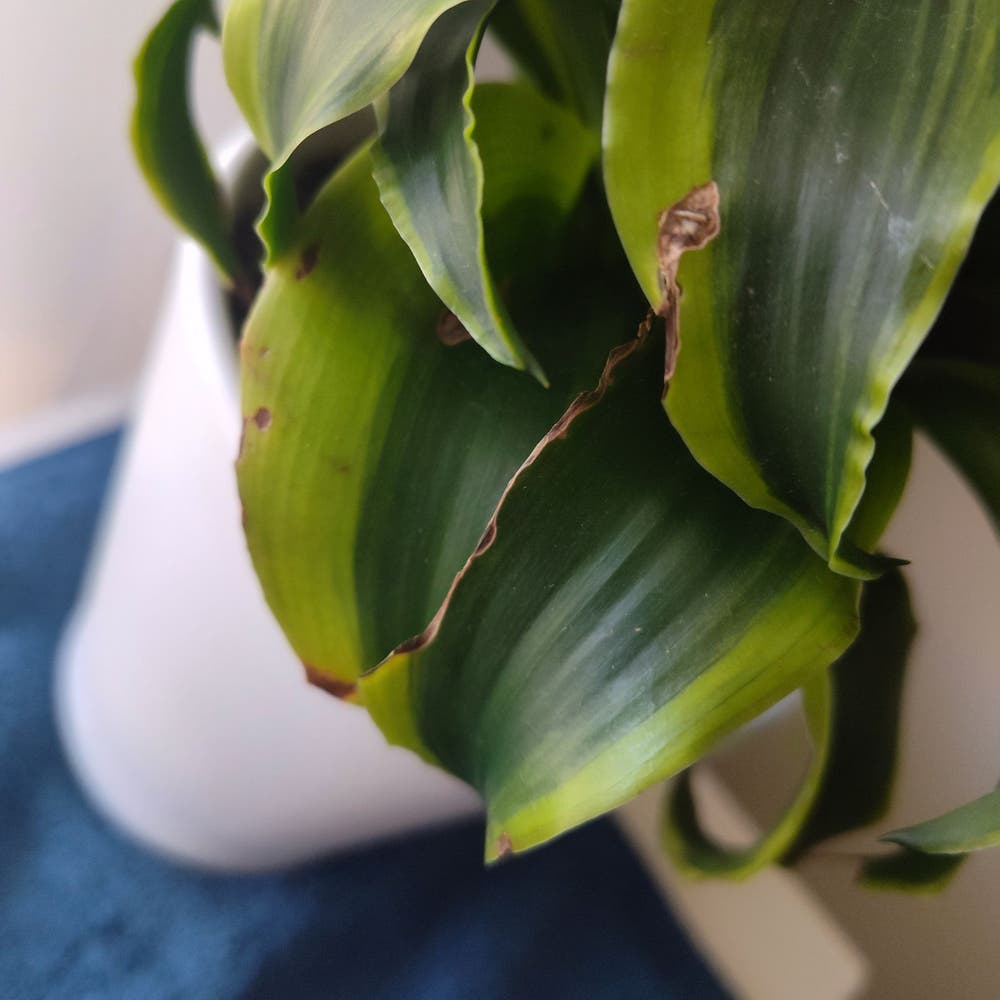
Keep an eye out for discolored leaves—they're the tell-tale sign that your Dracaena 'Tornado' is begging for a haircut. Overgrowth and tangled branches are your plant's way of saying, "I could use some grooming." Don't wait for it to become a hassle; a proactive trim can save you from a plant tantrum later on.

Pruning Like a Pro: Techniques and Tools
🛠️ Choosing Your Tools
Sharpness is non-negotiable when it comes to pruning Dracaena 'Tornado'. Reach for high-quality pruning shears or scissors designed for gardening. Ensure they're clean; a swipe with rubbing alcohol keeps diseases at bay. For thicker stems, arm yourself with lopping shears or a hand saw. Hedge shears? Forget them; they're for hedges, not the delicate art of Dracaena pruning.
✂️ The Right Cut: Techniques for Pruning
Start by inspecting your plant for dead or damaged growth. When you make the cut, aim close to the base but leave a smidge to avoid harming the main stem. Never remove more than 25% of the plant at once—it's a trim, not a buzz cut. Precision matters; it's the difference between a plant that thrives and one that just survives.
🌱 After the Cut: Caring for Your Pruned Plant
Post-prune, think of your Dracaena as convalescing. Consistent watering and shielding from extreme elements help it bounce back. Keep an eye out for new growth; it's the green thumbs-up that your plant is on the mend. Remember, a little TLC goes a long way in the plant world.

Shaping Up: Controlling the Look of Your Dracaena 'Tornado'
🌳 Creating Your Ideal Shape
Pruning isn't just about health; it's about aesthetics. For a Dracaena 'Tornado', shaping is part art, part science. To achieve your desired plant shape and size, start by visualizing the end result. Want a tall, slender tree? Resist the urge to cut the main stem too much. Prefer a shorter, fuller plant? Then, it's time to get snippy with the apex.
🌿 Encouraging Bushier Growth
For a lusher Dracaena, strategic pruning is your friend. Cut just above the leaf nodes, as this is where new shoots will burst forth. If your plant is channeling a '90s grunge look with long, leggy stems, chop them down to about a quarter of their length. This might feel drastic, but it's the tough love your Dracaena needs to spread out, not just up. Remember, patience is key; give your plant time to respond to your careful snips.

Health First: Removing Unwanted Growth
🚨 Spotting Trouble: Identifying Damaged or Diseased Growth
In the quest for plant health, vigilance is key. Inspect your Dracaena 'Tornado' for leaves that are more brown than green, stems that are softer than your favorite pillow, or growth that looks like it's been through a paper shredder. These are the SOS signals of your plant, indicating it's time to wield the pruning shears.
🛡️ The Gentle Art of Removal
When removing the damaged or diseased parts, think of it as a precision strike. Sanitize your tools to avoid spreading any plant pathogens—clean cuts are the goal. Snip close to the base of the affected area, but leave a small margin to avoid shocking the plant. It's like cutting out the rot from a piece of fruit; you want to remove all of the bad without sacrificing the good. After the operation, monitor your plant like a hawk to ensure it recovers with the grace of a phoenix rising from the ashes.
⚠️ Safety First
This content is for general information and may contain errors, omissions, or outdated details. It is not medical, veterinary advice, or an endorsement of therapeutic claims.
Always consult a qualified healthcare professional before using any plant as food, medicine, or supplement.
Never eat any plant (or feed one to pets) without confirming its identity with at least two trusted sources.
If you suspect poisoning, call Poison Control (800) 222-1222, the Pet Poison Helpline (800) 213-6680, or your local emergency service immediately.
Spotted an error? Please report it here.
Prune your Dracaena 'Tornado' to flourishing finesse 🌿 with Greg's tailored care reminders, ensuring a spring full of growth and beauty.