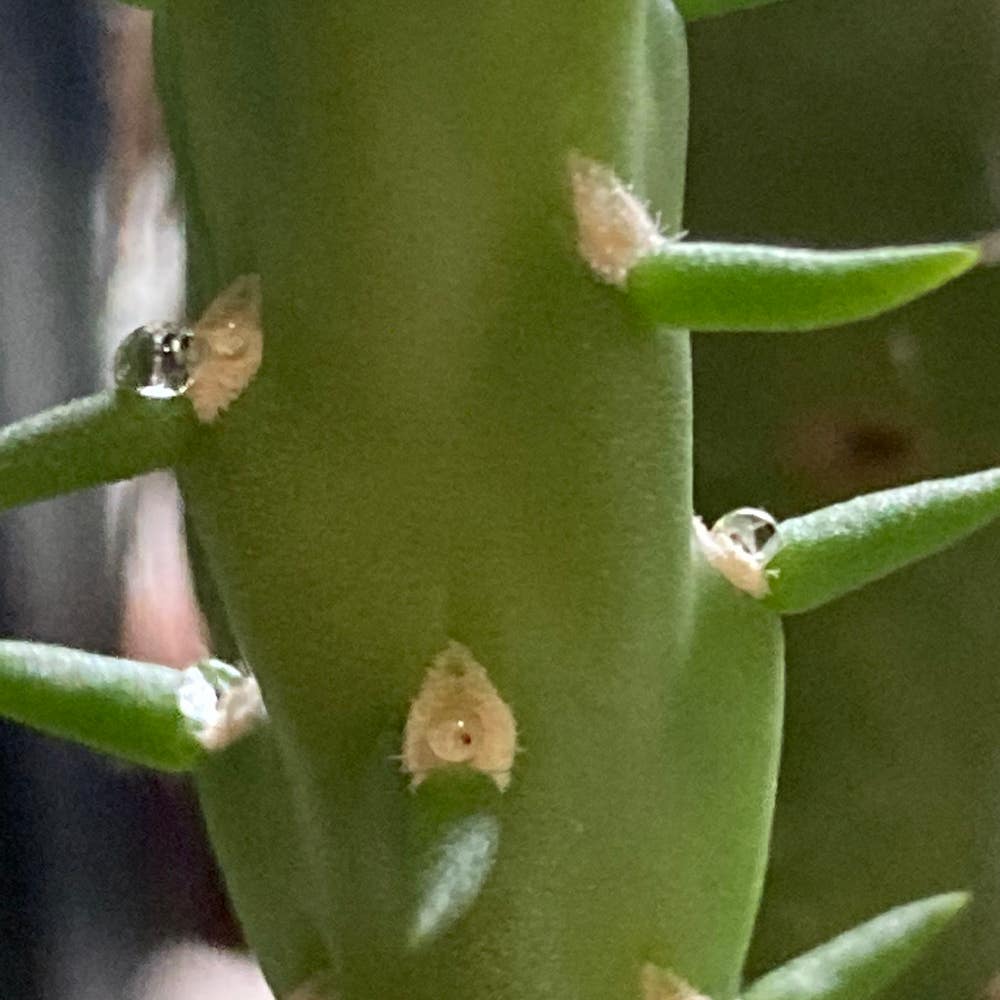
How to Propagate Your Desert Christmas Cactus
Cylindropuntia leptocaulis
By the Greg Editorial Team
Apr 02, 2024•3 min read
This article was created with the help of AI so we can cover more plants for you. May contain errors. See one? Report it here.
Propagate your Desert Christmas Cactus 🌵 and watch your garden flourish with these foolproof tips!
- Choose healthy stems and snip at a 45-degree angle for best propagation results.
- Balance light, temperature, and humidity to create the ideal rooting environment.
- Monitor and adjust care as needed, using a log to track propagation progress.
Snip & Dip: Preparing Your Stem Cuttings
🌱 Choosing the Right Segments
To kick off your propagation journey, select healthy stems. They should be vibrant and free from any signs of disease or damage. A good stem has several segments and leaves, indicating it's ready to go solo.
✂️ Making the Cut
Sterilize your tools before making the cut; cleanliness is non-negotiable. Snip below a leaf node at a 45-degree angle to maximize the area for root growth. After cutting, let the segment callous for a few days to toughen up for its new life.
🌱 Rooting Your Cuttings
💧 Soil vs. Water
Soil rooting means prepping a mix that's like a cozy bed: well-draining yet moist. Perlite, peat, and pine bark can create this perfect napping spot for your cuttings. Cover with plastic to keep the humidity just right.
Water rooting is like a transparent incubator. Use filtered water and ensure no leaves are taking a dive. Once roots hit the 3-5 centimeter mark, they're ready to graduate to soil. Keep the water fresh with weekly changes and wait for the magic to unfold.
Setting the Stage: Creating the Perfect Propagation Environment
💡 Light and Temperature
In the quest for rooting success, light and temperature take center stage. Your Desert Christmas Cactus cuttings will thrive in a bright spot, bathed in indirect sunlight. Direct rays are a no-go; they're like overzealous fans that can cause more harm than good. Keep the temperature cozy, between 65°F and 80°F, to mimic the warmth of a desert dawn without the scorching midday heat.
Humidity and Watering
Humidity is the silent guardian of your cuttings, and getting it right is crucial. Aim for that sweet spot of 70-80% humidity—enough to keep the air moist but not so much that you're inviting mold to the party. Watering should be done with a light touch; the soil should feel like a well-wrung sponge, providing hydration without drowning the roots in excess moisture. Remember, when it comes to water, think of it as a seasoning—necessary, but too much ruins the dish.
The Waiting Game: Monitoring Your Cuttings
🌱 Rooting Signs to Look For
In the propagation arena, patience is your silent coach. As you peer into the soil, searching for signs of life, remember: roots will emerge on their own sweet schedule. White, firm roots signal a successful start. If you've opted for a clear container, this underground network becomes a visible triumph, a clear indication that it's almost time to up the ante and pot up.
🚧 Common Propagation Pitfalls
Propagating isn't for the faint-hearted. It's a test of your green thumb's resilience. If roots are playing hard to get, reassess your lighting and temperature—they're the maestros of growth. Spot mold or stagnation? Time to fine-tune your humidity levels. Think of it as setting the stage for an encore performance by your cuttings.
A stalled growth or roots softer than overcooked pasta are red flags. They're your cue to intervene. Maybe it's time to consider a rooting hormone, the equivalent of a growth energy drink. Keep a log of your observations; it's like having a backstage pass to the inner workings of your propagation process.
Remember, you're not just growing plants; you're cultivating a new generation of green life. Stay vigilant, adjust care as needed, and watch as your cuttings transform from silent contenders to vibrant victors.
Plant Care 101
Choosing the Right Plant for Your Space
Watering Dos and Don'ts
Soil and Fertilizer Basics
Dealing with Pests and Diseases
⚠️ Safety First
This content is for general information and may contain errors, omissions, or outdated details. It is not medical, veterinary advice, or an endorsement of therapeutic claims.
Always consult a qualified healthcare professional before using any plant as food, medicine, or supplement.
Never eat any plant (or feed one to pets) without confirming its identity with at least two trusted sources.
If you suspect poisoning, call Poison Control (800) 222-1222, the Pet Poison Helpline (800) 213-6680, or your local emergency service immediately.
Spotted an error? Please report it here.
Turn your Desert Christmas Cactus propagation into a triumph 🌟 with Greg's custom care reminders and environmental adjustment tips, ensuring your stem cuttings root perfectly.