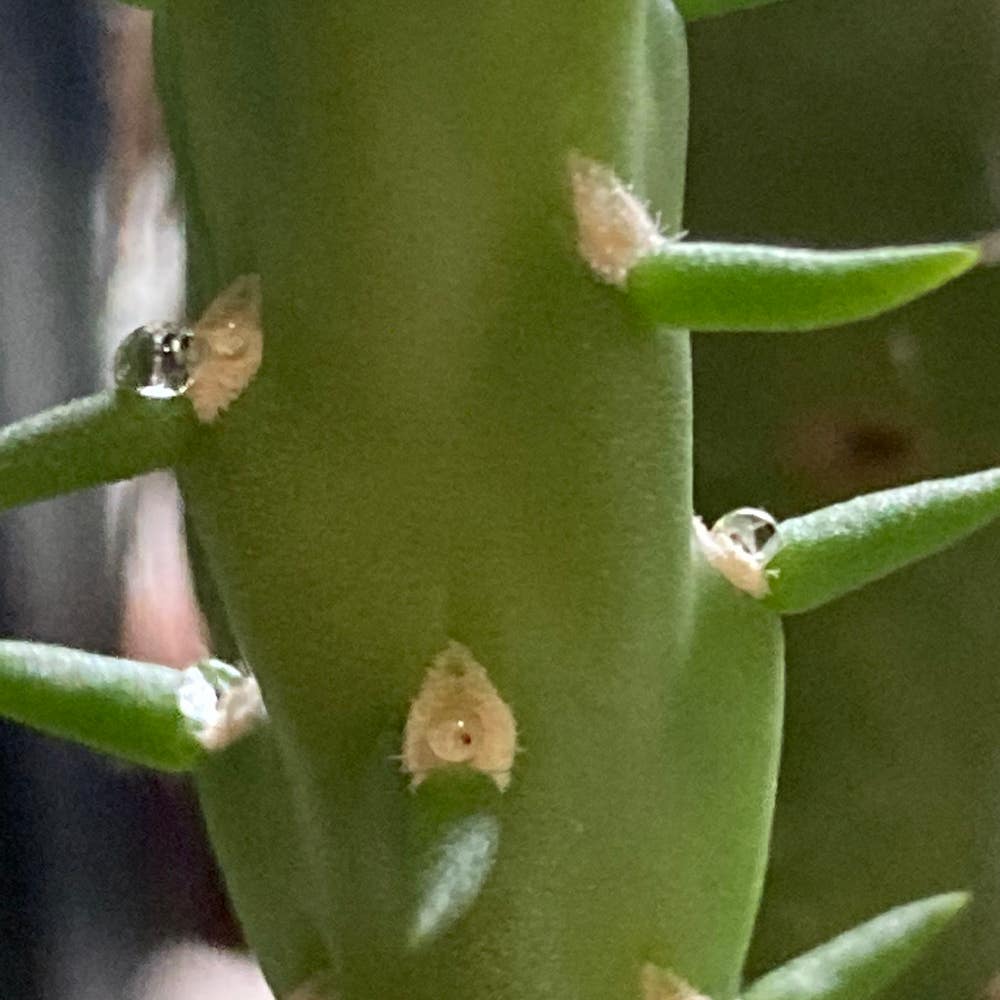
Choosing Fertilizer For My Desert Christmas Cactus
Cylindropuntia leptocaulis
By the Greg Editorial Team
Apr 02, 2024•3 min read
This article was created with the help of AI so we can cover more plants for you. May contain errors. See one? Report it here.
Nurture a blooming Desert Christmas Cactus 🌵 with the perfect fertilizer choice and timing!
- Early spring fertilization primes Desert Christmas Cactus for blooming.
- Balanced, low-nitrogen fertilizer is ideal; dilute and apply as directed.
- 🌵 Watch for vibrant growth; yellow leaves signal over-fertilization.
Timing is Everything: When to Fertilize Your Desert Christmas Cactus
🌵 Pre-Bloom Prep
Start fertilizing your Desert Christmas Cactus in the early spring. This is when your cactus shakes off its winter slumber and gears up for growth. Timing is critical; begin fertilizing before the blooming season to ensure a spectacular floral display.
Growth vs. Dormancy
Adjust your fertilization schedule to align with your cactus's growth cycle. During active growth, typically from April to September, a monthly dose of nutrients is your cactus's best friend. As autumn approaches, ease up. Your cactus is winding down, and so should your fertilization efforts. When the air gets crisp and daylight wanes, it's time to stop fertilizing altogether. Let your cactus rest and prepare for its blooming bonanza.
Picking the Perfect Fertilizer
💡 Nutrient Know-How
The N-P-K ratio is crucial for your Desert Christmas Cactus. A balanced mix with lower nitrogen is key—think 1-1-1 or 2-1-1. Nitrogen promotes foliage, but too much can stifle blooms. Phosphorus and potassium, on the other hand, are the secret sauce for sturdy stems and those coveted, vibrant flowers.
🍽️ Organic or Synthetic?
It's the classic gardeners' debate: organic versus synthetic fertilizers. Organic options, like compost or fish emulsion, feed your cactus and soil over time, fostering a rich ecosystem. Synthetics give you a quick nutrient hit with precise control. But remember, moderation is the mantra—overdoing it can spell disaster for your spiky friend.
Fertilizer Application: How Much and How Often?
💧 Getting the Dose Right
Dilution is key. For your Desert Christmas Cactus, think of fertilizer as a potent spice—a little goes a long way. Quarter-strength to half-strength is the sweet spot, following the package's guidelines. During the growing season, a monthly cadence is your best bet. It's like hitting the gym just enough to stay fit without overdoing it.
🚿 Preventing Buildup
Salt buildup? No, thank you. To keep your cactus's soil as fresh as a daisy, give it a shower now and then. This isn't pampering; it's practical. Water thoroughly to flush out excess salts, ensuring the pot drains well. Remember, a dry spell before the next watering is as crucial as the rinse itself.
Recognizing Fertilization Success and Red Flags
💪 Thriving Not Just Surviving
- Vibrant growth and timely blooms are hallmarks of a well-fertilized Desert Christmas Cactus.
- Look for rich, green foliage and stems that are firm to the touch; these signal a nutrient-happy plant.
🚫 Too Much of a Good Thing
- Yellowing leaves or a white, crusty soil surface can indicate over-fertilization.
- If you spot wilting or browning tips, it's time to intervene; flush the soil with water to remove excess nutrients.
⚠️ Safety First
This content is for general information and may contain errors, omissions, or outdated details. It is not medical, veterinary advice, or an endorsement of therapeutic claims.
Always consult a qualified healthcare professional before using any plant as food, medicine, or supplement.
Never eat any plant (or feed one to pets) without confirming its identity with at least two trusted sources.
If you suspect poisoning, call Poison Control (800) 222-1222, the Pet Poison Helpline (800) 213-6680, or your local emergency service immediately.
Spotted an error? Please report it here.
Ensure your Desert Christmas Cactus thrives 🌵 with Greg's personalized care reminders, helping you nail the fertilization timing for lush, vibrant blooms.