Black Spots on My Desert Christmas Cactus Leaves
Cylindropuntia leptocaulis
By the Greg Editorial Team
Apr 02, 2024•4 min read
This article was created with the help of AI so we can cover more plants for you. May contain errors. See one? Report it here.
Banish black spots 🌵 and keep your Desert Christmas Cactus pristine with our expert care guide.
- Fungal infections and pests cause black spots on Desert Christmas Cactus.
- Adjust care routines to prevent and treat black spots effectively.
- Early intervention with fungicides is critical for spot-free leaves.
Spotting the Culprit: Recognizing Black Spots
👀 Visual Symptoms
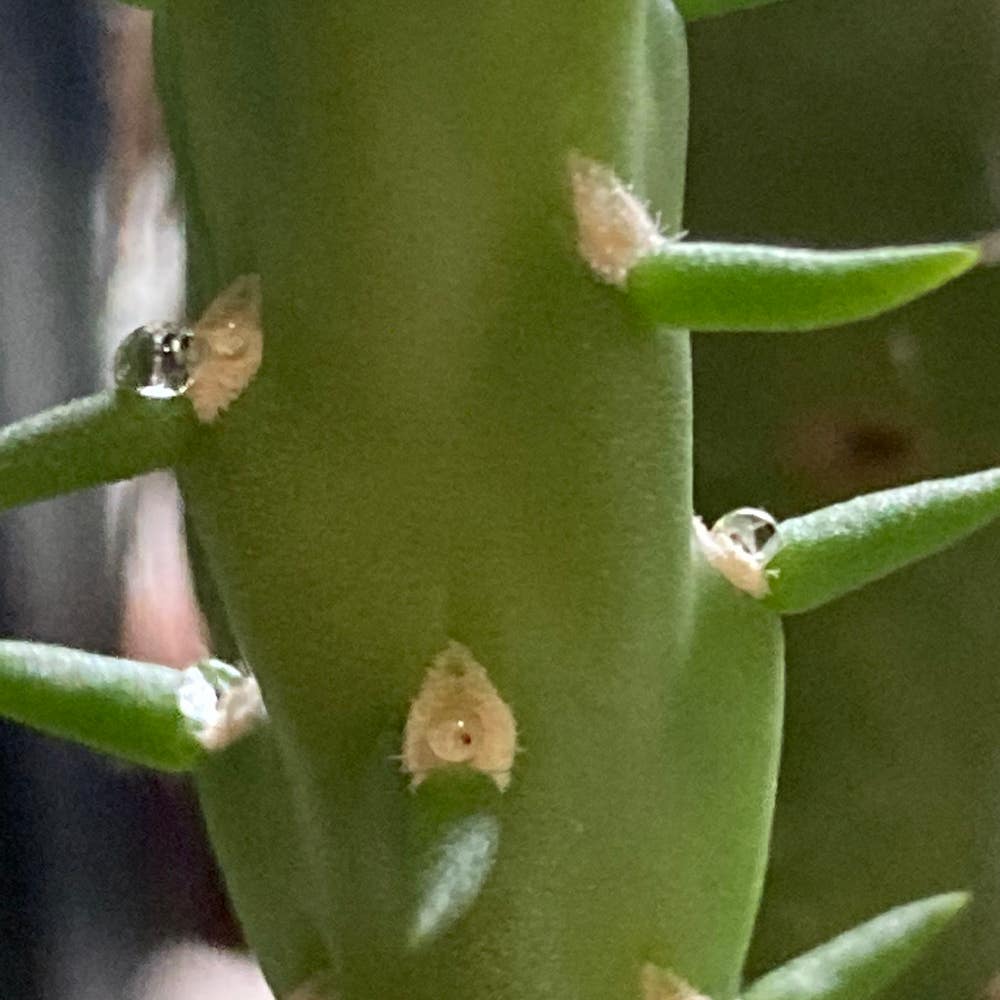
Black spots on your Desert Christmas Cactus are the unwelcome guests at your plant party. They're small, dark, and start as specks less than ⅛ inch in diameter. Texture is a telltale sign; fungal spots feel powdery, bacterial ones might come off as slimy. Left unchecked, they grow into larger blotches, throwing a wrench in your plant's photosynthesis process.
Common Locations
These spots are sneaky; they love to start their invasion on the undersides of leaves, where they're often missed during casual glances. But don't be fooled, they're not shy about hitting the top surfaces too. Regular leaf check-ups are non-negotiable—think of them as your plant's personal health screenings.
Unearthing the Causes of Black Spots
🍄 Fungal Foes
Fungi are the uninvited guests at your Desert Christmas Cactus's leafy soiree, leaving black spots as their calling card. Cercospora and Anthracnose are the main culprits, thriving in the damp aftermath of your watering enthusiasm. They start small, but without intervention, these spots grow into a full-blown fungal fiesta.
💧 Water Woes
Overwatering is like sending out an open invitation to these fungal party crashers. Excessive moisture and poor drainage set the stage for black spots to take center stage on your cactus's leaves. It's not just the quantity of water but also the lack of a quick getaway that turns your plant into a fungi hotspot.
🐛 The Bug Bother
Pests like spider mites and fungus gnats may also be gatecrashing this undesirable event. Their damage often paves the way for fungal infections, compounding the black spot issue. If you see fine webs or tiny flies, it's time to show these bugs the door before they invite more trouble.
The Treatment Plan
🍄 Fungicide to the Rescue
Timing is critical when it comes to applying fungicides to your Desert Christmas Cactus. At the first sign of black spots, reach for the fungicide—this is no time to dawdle. Choose a product specifically labeled for cacti and succulents to avoid any harsh reactions. Protective fungicides work as a preemptive strike, ideal for those who prefer to play it safe. If the infection has already taken hold, systemic fungicides are your undercover agents, working from the inside out to halt the spread. Don your gloves, mask up, and spray with the precision of a sniper, strictly adhering to the label's instructions—this isn't a free-for-all.
🔄 Adjusting Care Routines
Revamping your watering routine can be a game-changer. Water only when the top inch of soil feels dry to the touch—no more guesswork. Morning watering rituals allow the leaves to dry out under the day's sun, reducing the risk of fungal parties. When it comes to light, think moderation; too much sun can scorch, too little can invite fungi to the feast. Proper sunlight exposure is key. And let's not forget about airflow—space out your plants like introverts at a party to boost circulation. Prune any affected leaves with the care of a bonsai artist to improve airflow and prevent the spread. Remember, consistency in these adjustments is your secret weapon.
Keeping Black Spots at Bay
🛡️ Proactive Plant Parenting
Regular inspections are crucial for maintaining the health of your Desert Christmas Cactus. Think of it as a routine health check-up for your spiky companion. To prevent black spots, ensure your cactus is basking in bright, indirect sunlight and has ample airflow around it. This isn't just about comfort; it's about providing an environment where fungal foes and pests don't want to settle.
🕵️ Monitoring and Maintenance
Consistency in monitoring can't be overstated. Spot a change in your cactus's appearance? It's not a fashion statement; it's a cry for help. Early intervention is your best defense against black spots. If you detect any, act swiftly with appropriate treatments like fungicides or pest control. And remember, after pruning or treating your plant, keep an eye out for new growth—it's a sign of recovery, but vigilance remains key.
⚠️ Safety First
This content is for general information and may contain errors, omissions, or outdated details. It is not medical, veterinary advice, or an endorsement of therapeutic claims.
Always consult a qualified healthcare professional before using any plant as food, medicine, or supplement.
Never eat any plant (or feed one to pets) without confirming its identity with at least two trusted sources.
If you suspect poisoning, call Poison Control (800) 222-1222, the Pet Poison Helpline (800) 213-6680, or your local emergency service immediately.
Spotted an error? Please report it here.
Ensure your Desert Christmas Cactus remains spotless 🌵 with Greg's tailored care reminders, helping you prevent black spots before they start.