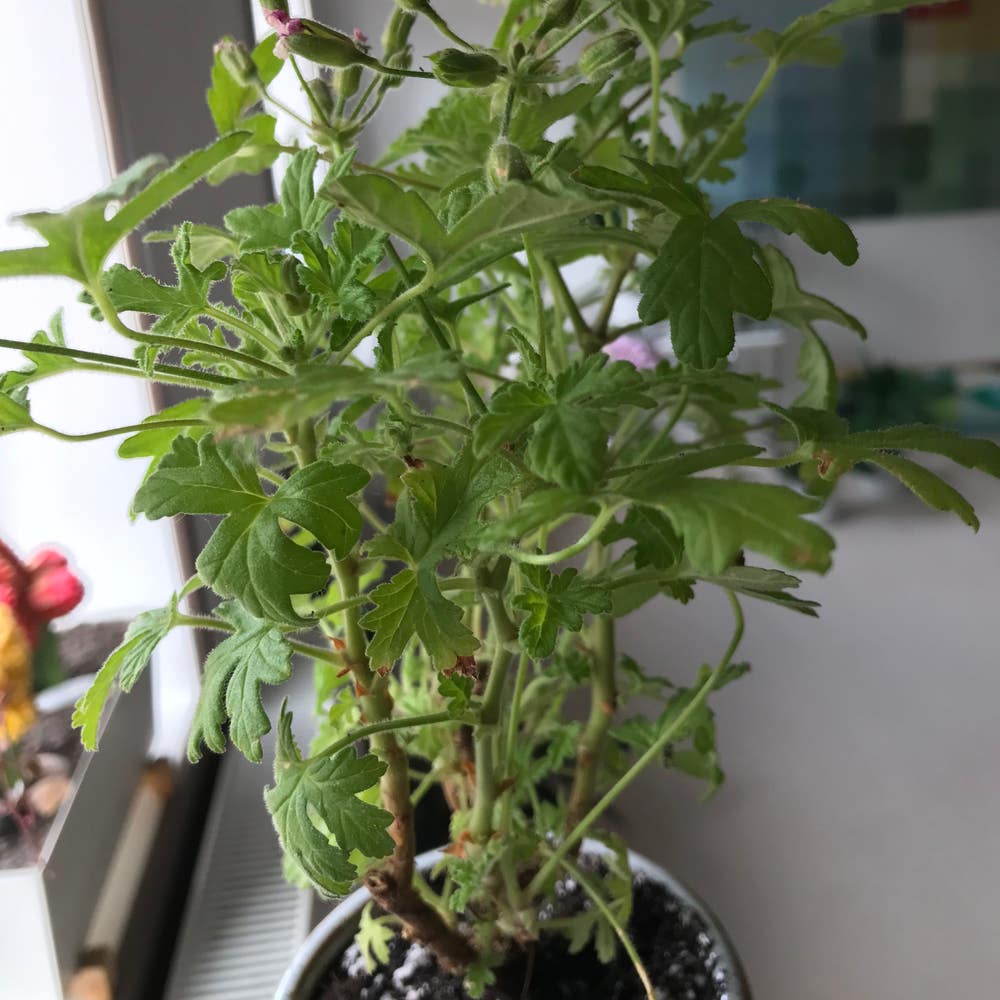
Propagating Common Mallow: Step-by-Step Guide
Malva sylvestris
By the Greg Editorial Team
Jun 18, 2024•4 min read
This article was created with the help of AI so we can cover more plants for you. May contain errors. See one? Report it here.
- Choose ripe seeds and store in cool, dry place for viability.
- Spring and autumn best for sowing seeds and taking stem cuttings.
- Layering yields mature plants faster than seedlings; choose air or simple technique.
Sowing the Seeds of Success
🌱 Choosing and Collecting Seeds
Identifying ripe seeds is crucial. Look for seeds that have turned from green to brown, indicating they're ready to be picked. Timing is everything; collect them before they fall to the ground to avoid losing your future plants to the whims of the wind.
Storing seeds properly means dry, cool conditions. Think of your refrigerator as a seed sanctuary, keeping them in a state of suspended animation until you're ready to plant.
🌱 Planting the Seeds
Soil prep is the unsung hero of gardening. Mix in some organic matter to give your seeds a nutritious start. Sow them shallowly; a light dusting of soil is all they need to feel secure.
Creating the perfect germination environment is like setting up a plant nursery. Consistent moisture and warmth are your best friends here. Think of it as tucking your seeds into bed with a warm, damp blanket.
🌱 When to Plant
The best seasons for seed sowing are spring and autumn. These times offer a gentle sun and cooler nights, perfect for baby plants.
Adjusting care based on climate means being observant and responsive. If you're in a warmer zone, you might get away with a winter sowing. Cooler climates? Wait until the frost has said its goodbyes.

Making the Cut: Stem Cuttings
🌱 Selecting and Preparing Cuttings
Healthy stems are your golden ticket to propagation success. Look for stems that are vibrant and firm, with no signs of pests or disease. Use clean, sharp tools to make your cuts, as if you're a surgeon in the plant world. Remove any small leaves near the base to prevent rot and give your cuttings the best shot at rooting.
💧 Rooting Your Cuttings
It's the classic soil versus water debate for rooting cuttings. Soil offers a stable environment, while water provides a clear view of root development. However, remember that tap water can be a growth inhibitor, so go for filtered if you choose the aquatic route. To boost your chances, consider dipping the ends in rooting hormone before planting.
🕰 Timing and Environmental Factors
Timing is everything. Snip your cuttings when the plant is in its growth phase, typically spring or early summer. Keep your cuttings cozy; they need warmth like a cat needs a sunbeam. Aim for consistent moisture in the soil—think damp sponge, not swamp. And keep the light bright but indirect, like a well-lit reading nook, not a tanning bed.

Dividing and Conquering
🌱 The Division Process
When your Common Mallow becomes too crowded, division is your friend. Spring is the prime time to give your plants some breathing room.
- Water your plant a day or two before division to ease root separation.
- Remove the plant from its container or dig around the root ball in the ground.
- Gently tease apart the roots, ensuring each new section has a healthy set of them.
- Replant the divisions promptly, maintaining the same soil depth as before.
🌿 Post-Division Care
After division, your mallow's success hinges on consistent care.
- Water the new plants deeply to help them settle in, creating a soil berm to hold moisture if needed.
- Keep the soil evenly moist for the first few weeks to aid in root establishment.
- Reduce watering frequency as plants mature, but don't let them dry out completely.
- Fertilize lightly to encourage growth, but don't overdo it—mallows aren't greedy feeders.

Layering for More Mallows
🌱 Layering Techniques
Layering is a propagation technique that can yield a mature plant faster than seedlings. You have two main choices: air layering and simple layering.
✂️ Air Layering
Air layering is more complex but produces a larger plant from the get-go. Here's how to do it:
- Select a healthy stem that's still attached to the plant.
- Make an upward-slanting cut halfway through the stem to avoid water accumulation.
- Apply rooting hormone to the cut to stimulate root growth.
- Wrap the cut with moist sphagnum moss.
- Encase the moss in plastic wrap to maintain humidity, allowing some air circulation.
- Wait for 6-10 weeks until roots develop, then cut and pot the new plant.
🌿 Simple Layering
Simple layering is easier and works well for plants with low-growing branches. Steps include:
- Bend a branch to the ground and cover part of it with soil.
- Stake the tip into a vertical position.
- Optionally, wound the branch to encourage rooting.
- Check periodically for roots, which may take a season to develop.
Encouraging Root Development
For healthy roots, the soil is key. Mix in organic matter like compost or manure to enrich it. Keep the soil moist but not waterlogged to prevent rot.
When roots are established, usually after a season, it's time to separate the new plant. Do this with care to avoid damaging the roots. After separation, provide light watering and avoid overfeeding until the plant shows new growth.
⚠️ Safety First
This content is for general information and may contain errors, omissions, or outdated details. It is not medical, veterinary advice, or an endorsement of therapeutic claims.
Always consult a qualified healthcare professional before using any plant as food, medicine, or supplement.
Never eat any plant (or feed one to pets) without confirming its identity with at least two trusted sources.
If you suspect poisoning, call Poison Control (800) 222-1222, the Pet Poison Helpline (800) 213-6680, or your local emergency service immediately.
Spotted an error? Please report it here.
Embrace the joy of propagating common mallow with ease, using this guide's wisdom and Greg's personalized care reminders 🌿, ensuring your green friends flourish.