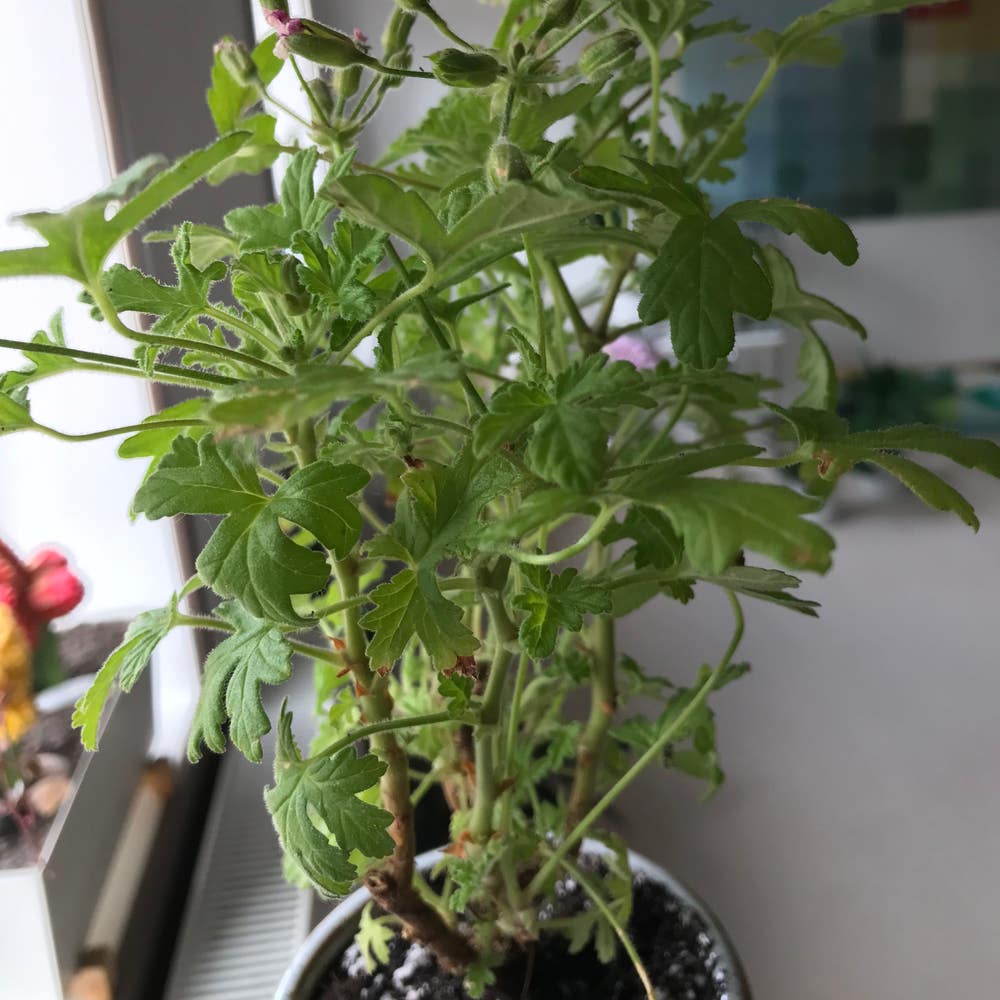
Why Are My Common Mallow Leaves Dropping?
Malva sylvestris
By the Greg Editorial Team
Jun 19, 2024•6 min read
This article was created with the help of AI so we can cover more plants for you. May contain errors. See one? Report it here.
- Yellowing and droopiness signal early distress in Common Mallow.
- Over/underwatering, temperature, humidity affect leaf health.
- Nutrient deficiencies and pH imbalance can cause leaf drop.
Spotting the Signs: When Your Mallow's Leaves Say Goodbye
🚨 Early Warning Signs
Yellowing leaves on your Common Mallow are like red flags in a sea of green; they're your cue to take action. If you notice leaves looking more tired than you on a Monday morning, it's time to investigate. Droopiness is another tell-tale sign that shouldn't be ignored.
👀 Visual Clues
When it comes to leaf drop, the devil's in the details. Spots or discoloration are visual clues that your Mallow is in distress. Keep an eye out for leaves that turn a faded green, yellow, or even brown. These changes are more than just an aesthetic issue—they're symptoms of a deeper problem.
🔄 Patterns of Leaf Loss
Consistent spotting or a sudden increase in leaf drop, especially among newer leaves, should set off alarm bells. Unlike the predictable shedding of leaves in autumn, erratic leaf drop is a sign that your plant is sending an SOS.
🐜 Unwanted Guests
Be vigilant for signs of pests or diseases like rust fungus, which manifests as brown spots or a powdery residue. These unwelcome guests can turn your Mallow's leaves from lush to lackluster in no time.
Remember, catching these signs early can mean the difference between a quick fix and a full-blown plant crisis. Regular inspections are your best defense—think of them as routine check-ups for your green buddy.

The Usual Suspects: Pinpointing the Culprits Behind Leaf Drop
💧 Too Much Love: The Perils of Overwatering
Overwatering is the silent assassin of Common Mallow. Roots need to breathe, and too much water drowns them, leading to root rot. If your plant's soil feels more like a swamp than a garden, you're overdoing it. Yellowing leaves are a tell-tale sign you need to cut back on the H2O.
🏜️ Thirsty Roots: The Consequences of Underwatering
Conversely, underwatering turns your Mallow into a desert survivor, but not in a good way. Leaves become brittle and drop as a distress signal. If the soil is bone-dry, it's a clear indicator your plant is thirsting for moisture. Consistent moisture is key, not a flood followed by a drought.
🌡️ Feeling Hot and Cold: Temperature Stress and Its Impact
Mallows don't appreciate extreme temperature swings. Too hot, and leaves may curl inward or get sunburned. Too cold, and they might become limp and fall off. Aim for a stable environment where temperatures don't fluctuate wildly. Think of it as avoiding a plant temperature tantrum.
💦 Humidity Woes: How Incorrect Humidity Levels Contribute
Humidity is another balancing act. Too low, and your Mallow dries out; too high, and it becomes a breeding ground for fungi. Use a hygrometer to monitor the air moisture around your plant. Adjust with a humidifier or dehumidifier to maintain a Goldilocks level of humidity—not too much, not too little.

Feeding Faux Pas: Nutritional Missteps and Leaf Health
🌿 Starvation Mode: Recognizing Nutrient Deficiencies
Your Common Mallow could be on a diet it never signed up for. Nutrient deficiencies turn leaves into a sad display of yellowing and weakness. Nitrogen is often the missing piece of the puzzle, but don't forget the supporting cast of phosphorus and potassium. They're the N-P-K of plant nutrition, and without them, your Mallow's leaves might start dropping like flies.
🌱 pH Imbalance: Understanding Soil Acidity's Role
Think of soil pH as the gatekeeper of nutrients. Get it wrong, and your plant's roots are locked out of the nutrient buffet. Too acidic or too alkaline, and your Mallow's leaves will throw in the towel. A simple soil test can reveal if your soil is more lemon juice or baking soda, and from there, it's all about adjustments. Lime or sulfur can swing the pH pendulum back to a happy medium where nutrients are up for grabs.
🚨 Immediate Nutrient Interventions
If your plant's leaves are waving white flags, it's time for some foliar feeding. Think of it as an emergency nutrient IV that bypasses the soil complexities. But remember, it's a quick fix, not a long-term solution. For that, you'll need to get your hands dirty with soil amendments like compost, which is like a spa treatment for your plant's underground world.
🍏 The Balanced Diet Approach
Grab a balanced fertilizer, but don't go wild. Overfeeding is the botanical equivalent of a sugar rush—a quick high followed by a crash. Stick to the script on the fertilizer package; it's the cheat sheet for keeping your Mallow's leaves perky and attached. Slow-release options are the ticket for a steady supply of the good stuff without the drama of nutrient burn.
Remember, monitoring is key. After you've played nutrient matchmaker, watch your plant's response. It's like a feedback loop that doesn't require mind-reading—just a keen eye for leafy language. Adjust your approach based on what those leaves are telling you. They're more expressive than you might think.

Turning Over a New Leaf: Solutions to Keep Mallow Leaves Intact
💧 Watering Wisdom: Fine-tuning your watering routine
Consistency is your watering wand. Check the soil's top inch; if dry, it's time to water. Embrace tools like moisture meters or self-watering pots to dodge the overwatering trap. Remember, your Mallow isn't a fish; it doesn't need a swimming pool. Water deeply every 10 to 14 days, allowing the soil to dry out slightly in between. Seasonal shifts mean changing tactics—more hydration in the heat, less when it's cooler.
🌡️ Creating a Cozy Environment: Stabilizing temperature and humidity
Mallos are not fans of dramatic temperature swings. They prefer the Goldilocks zone—not too hot, not too cold. Aim for a steady, comfortable room temperature. Humidity matters too; these plants don't thrive in a desert. Consider a humidifier or a misting routine to keep the air just right. And don't forget airflow—a gentle breeze can prevent the air from getting stale.
🍽️ Nutritional Know-How: Correcting nutrient deficiencies and soil pH
Yellowing leaves might scream nutrient deficiency. A balanced diet is crucial; opt for a water-soluble fertilizer or enrich the soil with compost. Don't just feed the soil; foliar applications can give your Mallow a quick nutrient boost. Keep an eye on the soil pH too—it can make or break your plant's ability to absorb those nutrients. Too acidic or too alkaline, and you're in for trouble. Adjust as needed to hit that sweet spot.
⚠️ Safety First
This content is for general information and may contain errors, omissions, or outdated details. It is not medical, veterinary advice, or an endorsement of therapeutic claims.
Always consult a qualified healthcare professional before using any plant as food, medicine, or supplement.
Never eat any plant (or feed one to pets) without confirming its identity with at least two trusted sources.
If you suspect poisoning, call Poison Control (800) 222-1222, the Pet Poison Helpline (800) 213-6680, or your local emergency service immediately.
Spotted an error? Please report it here.
Keep your Common Mallow's leaves perky and attached 🍃 with Greg's personalized care reminders that tackle everything from watering to nutrient needs.