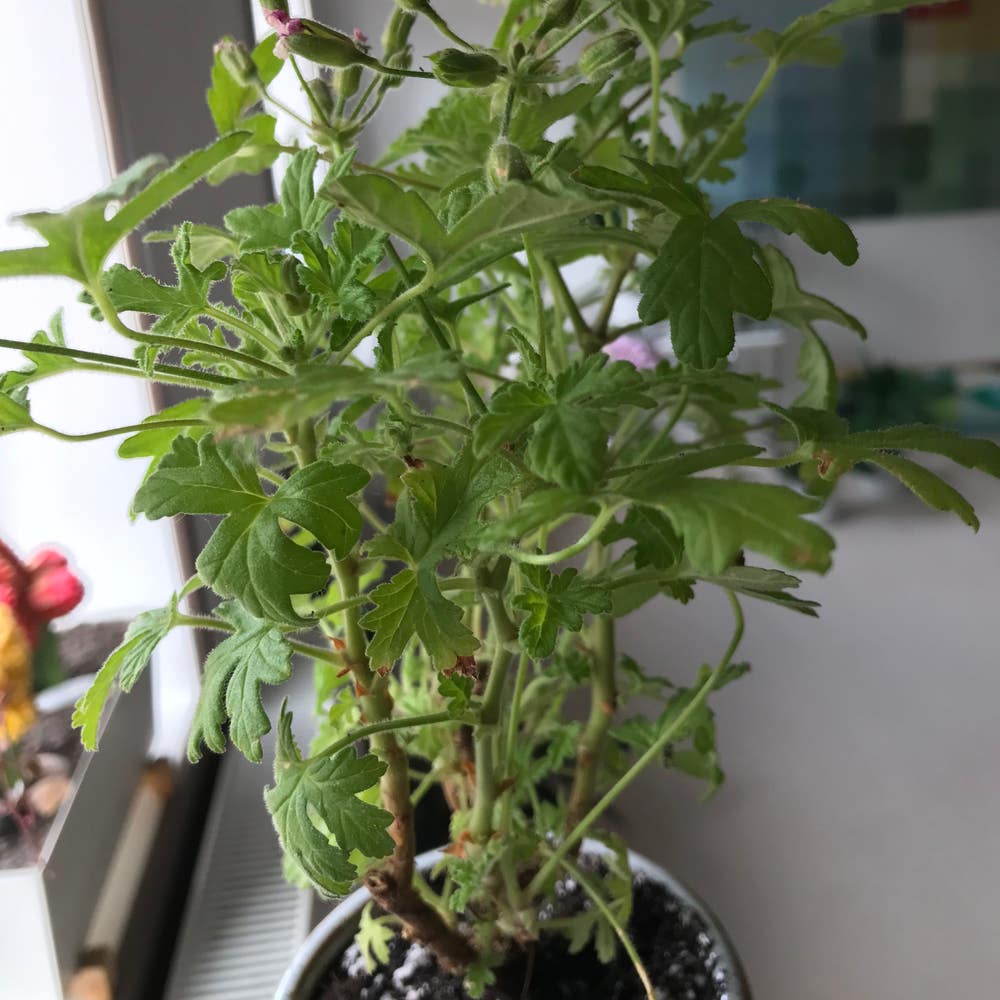
🌼 High Mallow Explained: Key Information
Malva sylvestris
By the Greg Editorial Team
Jan 09, 2025•11 min read
This article was created with the help of AI so we can cover more plants for you. May contain errors. See one? Report it here.
- 🌞 High Mallow thrives in full sun to partial shade; choose the right location!
- 🌱 Well-drained, fertile soil with pH 6.0-7.0 is essential for growth.
- 🌼 Prune after flowering to encourage new growth and maintain shape.
How to Grow
Choosing a Location 🌞
High mallow thrives in full sun to partial shade. When deciding between outdoor or container growing, consider the space and light availability.
Soil Preparation 🌱
For optimal growth, use well-drained, fertile soil. Aim for a soil pH between 6.0 and 7.0, which is slightly acidic to neutral.
Planting Techniques 🌼
The best time to plant high mallow is in spring or fall. Ensure you space the plants 12-18 inches apart for outdoor planting to allow for proper growth.
Watering Requirements 💧
Regular watering is essential to maintain consistent moisture. Be mindful of the signs: yellowing leaves may indicate overwatering, while wilting suggests underwatering.
Fertilizing Schedule 🌿
Use a balanced NPK fertilizer to support healthy growth. Fertilize monthly during the growing season for best results.
Pruning Methods ✂️
Prune high mallow after flowering to encourage new growth. Techniques like deadheading and cutting back can help maintain the plant's shape and vigor.
Ongoing Care 🛡️
Keep an eye out for pests and diseases that may affect your plants. Adjust your care routine based on the growth conditions to ensure optimal health.
As you embark on your high mallow growing journey, remember that each step contributes to a thriving garden. Next, let’s explore how to propagate this beautiful plant effectively.
Propagation
🌱 Seed Propagation
To start your High Mallow journey, sow seeds at a depth of 1/4 inch. Expect germination within 7 to 14 days, making this a quick and rewarding process.
✂️ Cutting Propagation
For those who prefer cuttings, select healthy stems that are 4-6 inches long. Place them in a moist potting mix to encourage rooting, ensuring a successful propagation method.
🌼 Division Propagation
The best time to divide your High Mallow plants is in early spring or fall. Carefully separate clumps and replant them to promote healthy growth and expansion.
With these propagation techniques, you can easily multiply your High Mallow plants and enjoy their beauty throughout your garden. Next, let’s explore the lifecycle of this resilient perennial.
Lifecycle
Lifecycle Stages 🌱
High Mallow is a perennial plant, meaning it lives for multiple years. Its lifecycle includes several key stages: seed or cutting, germination, seedling, vegetative growth, flowering, and seed production.
Germination Process 🌼
For successful germination, maintain an optimal temperature between 65°F to 75°F (18°C to 24°C). Seeds typically germinate within 7 to 14 days, making it a relatively quick process.
Lifespan and Growth Rate 📈
High Mallow has an overall lifespan of 3 to 5 years, allowing for multiple seasons of beauty in your garden. It grows at a moderate pace, reaching maturity in about 2 to 3 years, which is perfect for gardeners looking for a reliable perennial.
This lifecycle knowledge equips you to nurture High Mallow effectively, ensuring it thrives in your garden. Next, we’ll explore how to propagate this lovely plant for even more blooms.
Size
Mature Height and Spread 🌱
High Mallow typically reaches an average height of 3 to 4 feet, making it a striking addition to any garden. Its spread ranges from 2 to 3 feet, allowing it to fill space without overwhelming neighboring plants.
Growth Rate and Size Variability 📈
Several factors influence the size of High Mallow, including soil quality, sunlight exposure, and water availability. Optimal conditions can lead to robust growth, while less favorable environments may result in smaller plants.
Understanding these variables can help you create the best conditions for your High Mallow to thrive. With the right care, you can enjoy its beauty and benefits for years to come.
As you plan your garden, consider how these size characteristics will fit into your overall landscape design. This knowledge will guide you in selecting companion plants and arranging your garden for maximum impact.
Roots
Root System Characteristics 🌱
High Mallow features a fibrous root system that helps it anchor firmly in the soil. Typically, these roots extend to a depth of 12-18 inches, allowing the plant to access moisture and nutrients effectively.
Common Root-Related Issues ⚠️
One of the most common problems is root rot, which occurs due to overwatering. Signs of unhealthy roots include wilting and yellowing leaves, indicating that the plant is struggling.
Recognizing Rootbound Plants 🔍
If you notice stunted growth or roots growing out of drainage holes, your High Mallow may be rootbound. The solution is simple: repot the plant into a larger container to give it room to thrive.
Understanding the root system and its needs is crucial for successful High Mallow cultivation. With proper care, your plant will flourish and contribute beautifully to your garden.
Benefits
Top 5 Benefits 🌟
High Mallow is not just a pretty face in the garden; it offers a variety of benefits that make it a valuable addition to any landscape. Here are the top five reasons to consider growing this stunning perennial.
Ornamental Appeal
With its large, showy flowers, High Mallow enhances garden aesthetics significantly. These vibrant blooms can serve as focal points, adding color and texture to your outdoor space.
Medicinal Uses
Historically, High Mallow has been recognized for its soothing properties. It has been used in traditional remedies, making it a plant with both beauty and utility.
Attracts Pollinators
One of the best features of High Mallow is its ability to attract pollinators. Bees and butterflies are drawn to its blooms, supporting local ecosystems and enhancing biodiversity.
Edible Parts
Both the leaves and flowers of High Mallow are edible, offering culinary possibilities. You can incorporate them into salads or use them as garnishes, adding a unique touch to your dishes.
Soil Improvement
The deep roots of High Mallow play a crucial role in soil health. They help aerate and enrich the soil, promoting better drainage and nutrient availability for surrounding plants.
Incorporating High Mallow into your garden not only beautifies your space but also supports wildlife and improves soil quality. With these benefits, it’s clear why this plant deserves a spot in your landscape.
Next, let’s explore the best companion plants that can thrive alongside High Mallow, enhancing your garden even further.
Companion Plants
🌱 Companion Planting
Companion planting is a fantastic way to enhance your garden's diversity and health. By strategically placing plants together, you can improve pest management and promote overall plant vitality.
🌼 Best Companion Plants
Some of the best companions for High Mallow include:
- Marigolds: These vibrant flowers act as natural pest repellents, keeping harmful insects at bay.
- Nasturtiums: Not only do they add color, but their edible flowers can also attract beneficial pollinators.
- Herbs: Many herbs, like basil and thyme, can thrive alongside High Mallow, enhancing flavor and aroma.
🚫 Plants to Avoid
While companion planting can be beneficial, some plants should be avoided. Look out for those that compete for nutrients or attract pests, such as:
- Tomatoes: They can draw pests that may harm High Mallow.
- Potatoes: These can compete for resources, stunting growth.
By choosing the right companions, you can create a thriving garden that supports the growth of High Mallow while keeping pests at bay. This thoughtful approach not only benefits your plants but also enriches your gardening experience.
Next, let’s explore the toxicity of High Mallow to humans, pets, and other animals.
Toxicity to Humans
High Mallow is generally considered safe for humans. Major poison control centers do not list it as toxic, which is a relief for garden enthusiasts.
While it’s safe to handle and consume in small amounts, caution is advised. Excessive consumption may lead to mild skin irritation or digestive discomfort.
Enjoy the beauty and benefits of High Mallow without worry. Just remember to appreciate it in moderation for a delightful experience!
Edible Properties
Edible Parts 🌿
High Mallow is not just a pretty face in the garden; its leaves and flowers are entirely edible. However, it's worth noting that the seeds are not typically consumed.
Harvesting Techniques 🌼
To enjoy the best flavors, harvest young leaves in the spring and collect flowers during their blooming period. This timing ensures you get the freshest and most flavorful parts of the plant.
Nutritional Value 🥗
These edible parts pack a nutritional punch, being rich in vitamins A and C, antioxidants, and dietary fiber. Incorporating High Mallow into your diet can boost your health while adding a unique touch to your meals.
Transitioning from the delightful edibility of High Mallow, let's explore its potential toxicity to pets, ensuring a safe environment for our furry friends.
Toxicity to Dogs
High Mallow is not listed as toxic by major pet poison control centers, making it a relatively safe choice for gardens shared with dogs. However, like many plants, it can cause mild gastrointestinal upset if consumed in excessive amounts.
🐶 General Safety
While your furry friends can enjoy the garden without much worry, it's wise to monitor their behavior around High Mallow. If they show signs of excessive nibbling, consider relocating the plant to a less accessible area.
🐾 Tips for Pet Owners
To keep your garden safe and enjoyable for both dogs and plants, follow these simple tips:
- Proper Placement: Position High Mallow in areas where your dog doesn't roam freely.
- Monitoring Behavior: Keep an eye on your pet's interactions with the garden to prevent any unwanted munching.
With these precautions, you can enjoy the beauty of High Mallow while ensuring your dog's safety. Next, let’s explore the toxicity of this plant to cats.
Toxicity to Cats
High Mallow is not considered toxic by major pet poison control centers. This means your feline friends can safely roam around your garden without the risk of serious harm.
However, if consumed in large amounts, it may cause mild gastrointestinal upset. It's always wise to keep an eye on your cat's behavior around plants.
🐱 Tips for Safety
To ensure your cat stays safe, consider these simple strategies:
- Proper Placement: Position High Mallow away from areas where your cat frequently explores.
- Monitoring Behavior: Keep an eye on your cat's interactions with the plant. If they show excessive interest, it might be time to redirect their attention.
By taking these precautions, you can enjoy the beauty of High Mallow while keeping your furry companions safe.
As we move forward, let’s explore the edible properties of this fascinating plant.
Problems
🌱 Common Issues with High Mallow
Growing High Mallow can be rewarding, but it comes with its share of challenges. Here are some common issues you might encounter.
🚰 Overwatering
Overwatering is a frequent problem that manifests as yellowing leaves. If you notice this, it’s a sign that your plant is drowning; adjust your watering schedule accordingly.
🏜️ Underwatering
On the flip side, underwatering leads to wilting leaves. If your High Mallow looks droopy, it’s time to give it a good drink.
🦠 Fungal Diseases
Fungal diseases can strike if air circulation is poor. To combat this, ensure your plants have enough space and consider applying fungicide if necessary.
🍃 Leaf Issues
Leaf problems often stem from improper light exposure or pest infestations. Adjusting the light conditions and checking for pests can help restore your plant's health.
🌿 Growth Problems
If your High Mallow isn’t thriving, it might be lacking essential nutrients or proper watering. Regularly check your soil and adjust your care routine to promote healthy growth.
By staying vigilant and addressing these common issues, you can keep your High Mallow flourishing. Next, let’s explore the potential pests that could threaten your plant’s well-being.
Bugs
🐞 Potential Pest Issues
High Mallow is known for its moderate pest resistance, making it a resilient choice for many gardens. However, it can still fall victim to certain pests that may threaten its health.
🔍 Identification and Damage
Two common culprits are spider mites and aphids.
- Spider Mites: Look for fine webbing on the leaves and stippling, which indicates they are feeding on the plant.
- Aphids: These tiny pests leave behind a sticky residue and can cause leaves to curl, signaling their presence.
💊 Treatment Options
To combat these pests, several effective treatment options are available.
- Neem Oil: This natural pesticide disrupts the life cycle of pests without harming beneficial insects.
- Insecticidal Soap: A safe choice for treating infestations, it suffocates pests on contact.
- Beneficial Insects: Introducing ladybugs or lacewings can help keep pest populations in check naturally.
By staying vigilant and employing these strategies, you can protect your High Mallow and ensure it thrives in your garden. Next, let's explore what animals might be munching on your plants and how to deter them.
What Eats High Mallow
🦌 Common Animals
High mallow is a favorite snack for various garden visitors. You might find deer, rabbits, squirrels, and groundhogs nibbling on its leaves and flowers.
👀 Signs of Animal Presence
Keep an eye out for signs that these critters have been around. Look for browsing damage on the plants, droppings scattered nearby, and tracks that indicate their movements.
🚫 Deterrent Methods
To protect your high mallow, consider a few effective deterrent methods. Fencing can create a physical barrier, while repellents can make the plants less appealing.
Companion planting is another great strategy; pairing high mallow with plants that deter pests can enhance your garden's defenses. By combining these methods, you can enjoy your high mallow without the worry of unwanted munchers.
Next, let’s explore the potential pest issues that can affect high mallow.
⚠️ Safety First
This content is for general information and may contain errors, omissions, or outdated details. It is not medical, veterinary advice, or an endorsement of therapeutic claims.
Always consult a qualified healthcare professional before using any plant as food, medicine, or supplement.
Never eat any plant (or feed one to pets) without confirming its identity with at least two trusted sources.
If you suspect poisoning, call Poison Control (800) 222-1222, the Pet Poison Helpline (800) 213-6680, or your local emergency service immediately.
Spotted an error? Please report it here.
Cultivating High Mallow successfully 🌱 is easy with Greg's tailored reminders and expert tips, ensuring your plants thrive in the perfect conditions!