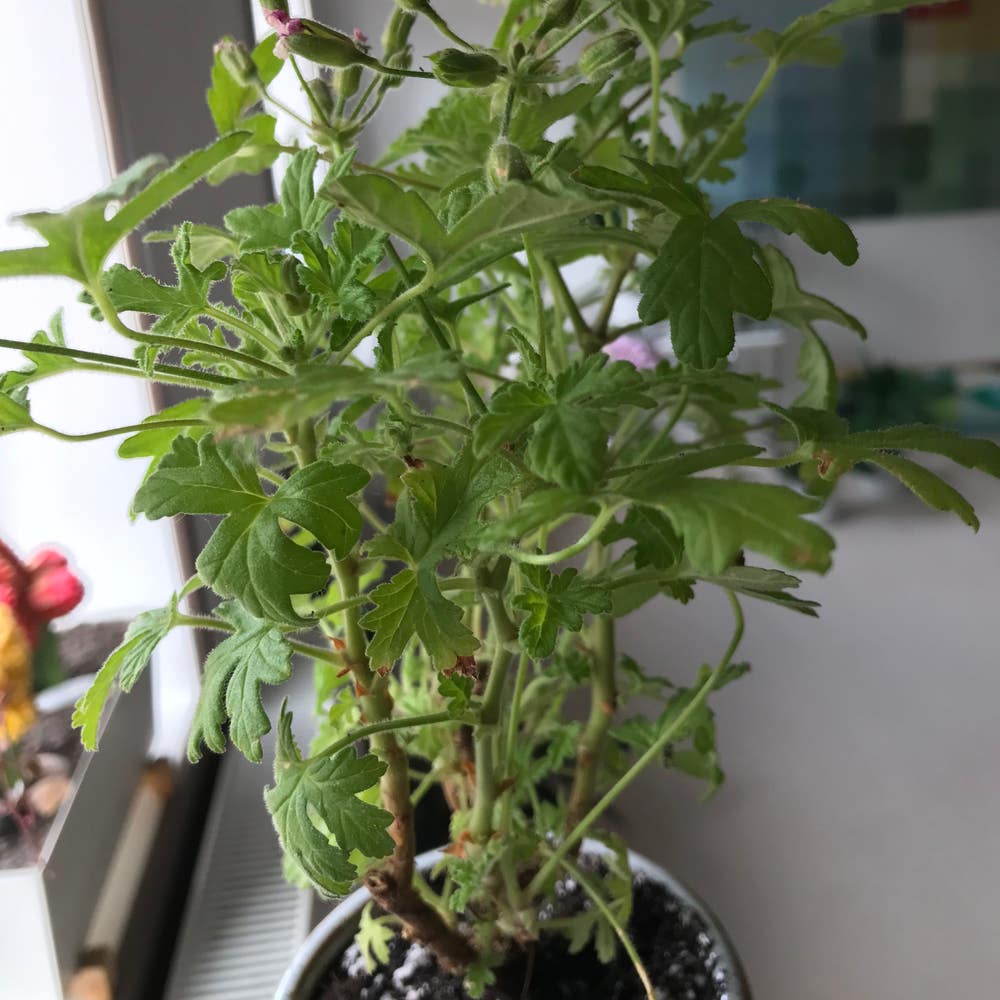
Why Are My Common Mallow Leaves Curling?
Malva sylvestris
By the Greg Editorial Team
Jun 18, 2024•4 min read
This article was created with the help of AI so we can cover more plants for you. May contain errors. See one? Report it here.
- Water wisely—soak and dry method prevents curling.
- 🌡️ Stable temperatures and humidity keep leaves flat.
- 🕵️♂️ Regular inspections for early pest and disease control.
Spotting the Culprits Behind the Curl
💧 Environmental Stressors
Over-watering or under-watering can both lead to the dreaded leaf curl in Common Mallow. The plant's leaves act like a plant's distress signal, indicating that its water supply is out of whack.
Temperature extremes are no friends to your mallow. Too hot or too cold, and the leaves will curl up as if trying to escape the discomfort.
🐜 Unwelcome Guests
Pests such as aphids and spider mites are notorious for turning lush mallow leaves into their personal buffets, resulting in curling leaves as a sign of their feasting.
Diseases, often fungal or viral, can also cause leaves to curl. They're like invisible invaders, leaving behind a trail of curling as a calling card.

Turning the Tide on Leaf Curling
💧 Fine-Tuning Your Watering Routine
Watering your Common Mallow isn't a guessing game. To prevent leaf curling, adopt the soak and dry method: water thoroughly, let it drain, then wait until the soil is dry to the touch before the next watering. A long-spout watering can is your best friend here, targeting the roots without drenching the leaves.
Consistency is your plant's best pal. Adjust your watering with the seasons—more in the summer, less in the winter. If you're tech-savvy, a soil moisture gauge can be a game-changer. For the analog among us, the finger test works just fine—aim for soil that's damp, not soggy.
🌡 Climate Control for Your Mallow
Temperature and lighting demand your attention like a diva. Your Common Mallow craves a stable climate, so aim for a consistent temperature that mimics a mild spring day. Extreme temperatures lead to a leafy protest.
Humidity is the unsung hero. Aim for that 40%-60% sweet spot. Too dry, and the leaves curl up like they're hoarding moisture. A humidifier or pebble tray can help maintain this balance, creating a tropical haven without the mold risk. Remember, keep the leaves dry, especially at night, to avoid inviting fungal party crashers.

Nipping Problems in the Bud
🐜 Keeping Pests at Bay
Regular inspections are crucial for early pest detection. Catching these critters before they become a full-blown infestation is key. Sticky traps can be your first line of defense, snagging adult pests and cutting down on future generations. For a more direct approach, neem oil or insecticidal soap sprays are effective, organic options. They're like a bouncer at the club door, keeping the riff-raff out.
Remember, cleanliness is next to pestlessness. Keep your tools and pots spotless to avoid giving pests a cozy home. And if you're introducing new plants, quarantine them first. They might be carrying stowaways that are eager to explore and exploit your mallow.
🦠 Disease Defense Strategies
Fungal and viral diseases love a good plant party, but you're not sending out invites. Preventative sprays with eco-friendly fungicides can help keep these uninvited guests at bay. Copper-based or biological fungicides like Mycostop are good choices. Think of them as the plant equivalent of a flu shot.
Air circulation is also critical. It's like social distancing for plants; it helps prevent the spread of diseases. Remove affected leaves promptly to stop fungi in their tracks. And always, always opt for the least toxic options. Your mallow will thank you, and so will the environment.
Adopting Integrated Pest Management (IPM) practices is like having a good insurance plan. It involves monitoring closely, encouraging natural predators, and using treatments that are least harmful to the plant and environment. It's about being smart and strategic, not just reaching for the chemical spray bottle at the first sign of trouble.

Cultivating Resilience in Common Mallow
💧 Soil and Nutrition: The Foundation of Health
Well-draining soil is non-negotiable for the health of your Common Mallow. Mix in organic matter like coco coir to improve soil structure and perlite or vermiculite to enhance drainage. A handful of perlite added to store-bought potting soil can work wonders.
Nutrient-wise, don't go on a fertilizer frenzy. Test your soil first to identify what's lacking. Regular soil analysis is like a health check-up for your plant. Amend with compost or a balanced fertilizer, but only as needed. Over-fertilization is the enemy of growth.
👀 The Power of Observation
Stay on your toes with regular check-ups. Leaf color changes, drooping, or wilting are your mallow's way of saying, "Hey, I'm not okay!" Adjust care accordingly.
Remember, it's not about coddling; it's about providing the right conditions for your mallow to thrive. Observant care is the secret sauce to preventing those leaves from curling up in distress.
⚠️ Safety First
This content is for general information and may contain errors, omissions, or outdated details. It is not medical, veterinary advice, or an endorsement of therapeutic claims.
Always consult a qualified healthcare professional before using any plant as food, medicine, or supplement.
Never eat any plant (or feed one to pets) without confirming its identity with at least two trusted sources.
If you suspect poisoning, call Poison Control (800) 222-1222, the Pet Poison Helpline (800) 213-6680, or your local emergency service immediately.
Spotted an error? Please report it here.
Keep your Common Mallow's leaves unfurled and fabulous 🌿 with Greg's personalized care reminders and pest detection alerts, ensuring your plant thrives without the guesswork.