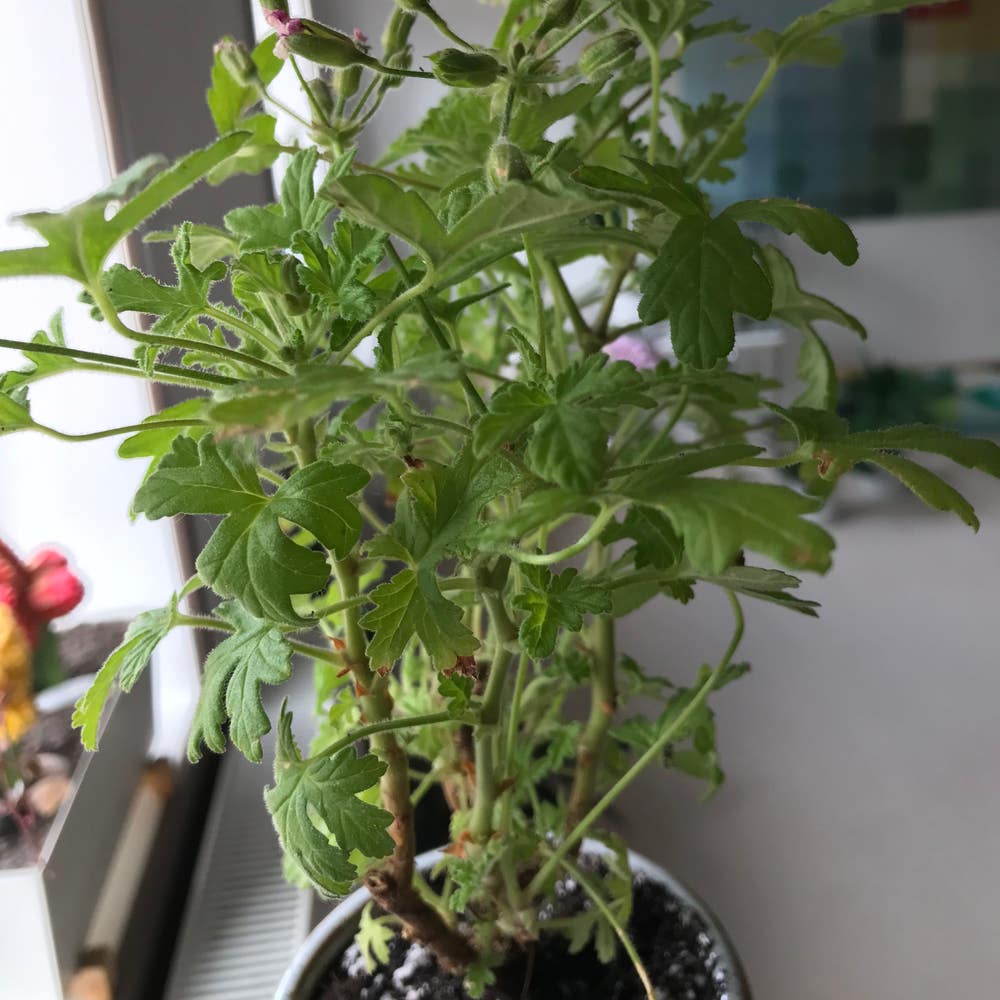
How to Get a Common Mallow to Bloom
Malva sylvestris
By the Greg Editorial Team
Jun 18, 2024•4 min read
This article was created with the help of AI so we can cover more plants for you. May contain errors. See one? Report it here.
- 🌞 Ensure 6+ hours of sunlight for Common Mallow's vibrant blooms.
- 🌡️ Maintain 53-68°F for optimal blooming conditions.
- 🌼 Prune post-flowering; use 2-3-1 fertilizer for more blooms.
Kickstarting the Bloom: Triggering Flowering in Common Mallow
🌞 Light: The Sunlit Path to Blooms
Sunlight is the trigger for Common Mallow's floral show. To maximize blooms, ensure your plant gets full sun exposure. Aim for at least six hours of direct sunlight daily, as intensity and duration are key to flower induction. Remember, while sunlight beckons the buds, complete darkness at night helps them rest up for their big debut.
🌡️ Temperature: Warmth as a Blooming Cue
The ideal temperature range for Common Mallow blooms is 53 - 68°F (15-20°C). As the mercury climbs within this sweet spot, your plant gets the hint that it's showtime. Keep in mind, seasonal shifts matter; spring's gentle warmth coaxes out the flowers, while summer's scorch can send them into hiding.
✂️ Pruning Practices: Shaping for Showy Flowers
Pruning isn't just a haircut for your plant; it's a motivational speech. Snipping the right spots can spur your Common Mallow to produce more blooms. The best time to prune is after flowering, to encourage new growth. Use clean, sharp shears and target leggy stems and old blooms to keep the energy focused on flowering.

Feeding the Bloom: Soil and Water Strategies
🌱 Soil Secrets: The Foundation of Flowers
Soil is the backstage for your Common Mallow's upcoming bloom show. pH balance is critical; aim for a sweet spot between 6.0 and 7.5 for these bloomers.
Organic matter is your secret sauce. Mix in compost or aged manure to amp up fertility and improve drainage. Think of it as the plant's personal trainer, getting it in top shape for the flowering marathon.
💧 Water Wisdom: Quenching for Quality Blooms
Watering is less about sticking to a schedule and more about reading the room—or in this case, the soil. Consistency is key; keep the soil moist but not soggy.
Use the finger test: if the top inch is dry, it's time to water. And remember, drainage is as crucial as the watering itself—no waterlogged roots allowed. They're about as welcome as socks in a swimming pool.

Fertilizing for Flourish: Nutrient Know-How
💡 The NPK of Blooming: Understanding Fertilizer Ratios
In the quest for Common Mallow blooms, fertilizer ratios are non-negotiable. Nitrogen (N) is the green machine, but too much can stifle your flower show. Phosphorus (P) and Potassium (K) are your bloom buddies, with phosphorus being the backstage hero pushing those blooms to the spotlight.
Look for fertilizers with a lower N and higher P and K, like a 2-3-1 ratio, to get those Mallow flowers popping. Organic options? Compost and manure have got your back, improving soil and encouraging roots that support a blooming bonanza. And don't forget bone meal for a phosphorus punch.
💡 Micronutrients: The Unsung Heroes of Flowering
Micronutrients might not get the limelight, but they're pivotal for a vibrant bloom. They're like the stage crew that ensures the show goes on without a hitch. A deficiency in these little guys can turn your blooming dreams into a floral fiasco.
Keep an eye out for signs of micronutrient deficiency—yellow leaves, stunted growth, or lackluster blooms. If your Mallow is looking a bit off, a micronutrient boost might just be the ticket. Look for fertilizers that include a mix of these essential elements to keep your plant not just surviving, but thriving.

Keeping Threats at Bay: Pest and Disease Prevention
🐜 Pests: Nipping Bud Nemeses in the Bud
Common pests like aphids and spider mites can be the bane of your Common Mallow's existence, sucking the life out of buds before they even have a chance to bloom. Insecticidal soap or neem oil are your go-to weapons for these invaders. Apply with a vengeance at the first sign of trouble.
For the beetle brigade – think Japanese beetles and their munching mates – hand-picking may seem like a chore, but it's brutally effective. If you're not into bug-picking, neem oil is again your non-toxic knight in shining armor.
🦠 Diseases: Keeping Blooms Healthy and Flourishing
Fungi like powdery mildew and botrytis can turn your plant's leaves into a horror show. To keep these fungal fiends at bay, water at the soil level to avoid splash-back. Neem oil, when used early, can prevent powdery mildew from setting up shop.
Botrytis is the fungus you don't want at your party. It's a bloom-killer. If you spot its grisly work, remove the infected parts like you're performing plant surgery. For severe cases, bring out the big guns – fungicides.
Pro tip: Keep your garden clean, like it's about to pass a military inspection. Remove debris and dead plant matter to deny diseases a foothold. Rotate your crops if you can, and keep an eye out for early signs of disease. Vigilance is your best defense.
⚠️ Safety First
This content is for general information and may contain errors, omissions, or outdated details. It is not medical, veterinary advice, or an endorsement of therapeutic claims.
Always consult a qualified healthcare professional before using any plant as food, medicine, or supplement.
Never eat any plant (or feed one to pets) without confirming its identity with at least two trusted sources.
If you suspect poisoning, call Poison Control (800) 222-1222, the Pet Poison Helpline (800) 213-6680, or your local emergency service immediately.
Spotted an error? Please report it here.
Ensure your Common Mallow flourishes 🌼 with Greg's personalized reminders for the ideal watering and care routine, tailored to your plant's unique needs.