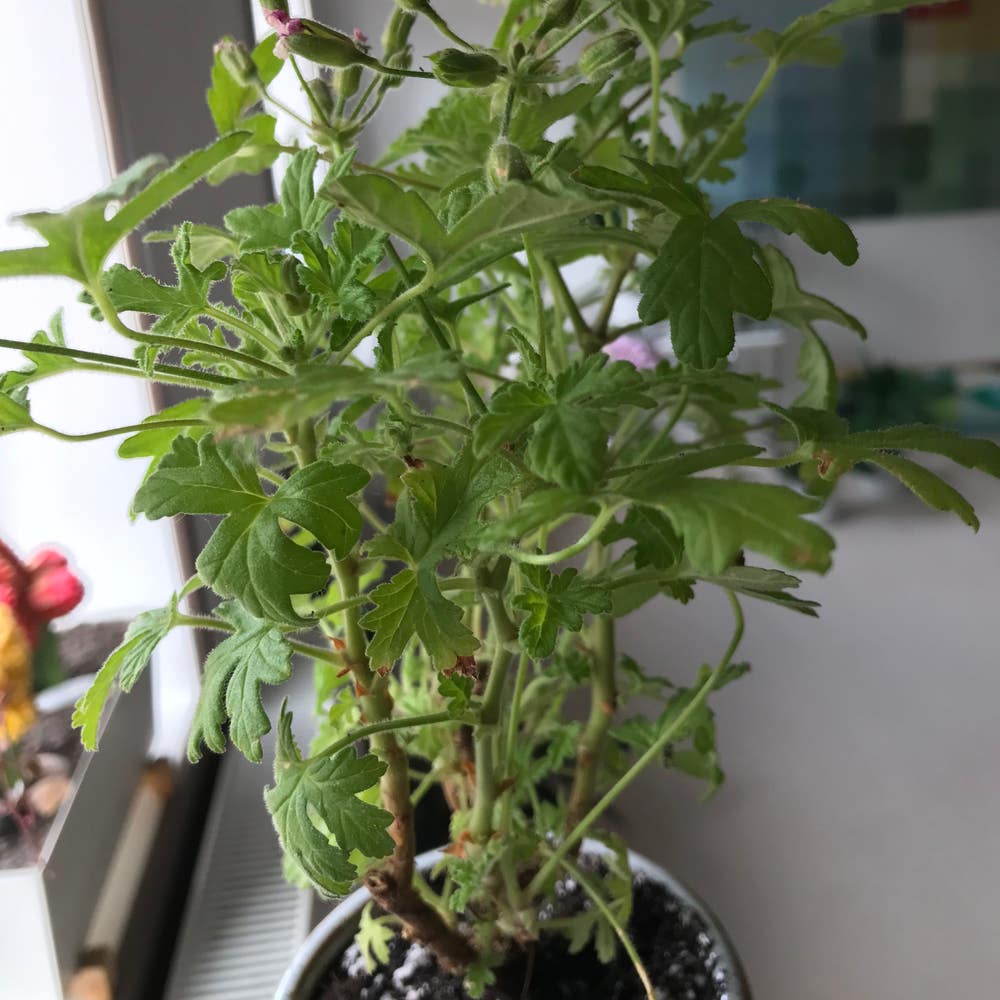
Common Mallow - Fertilizing 101
Malva sylvestris
By the Greg Editorial Team
Jun 18, 2024•4 min read
This article was created with the help of AI so we can cover more plants for you. May contain errors. See one? Report it here.
- Spring & Summer Feeding boosts growth and vitality; winter is a rest period.
- Slow-release fertilizers recommended for consistent, safe nutrient supply.
- Watch for over-fertilization; yellow leaves and salt buildup signal trouble.
Timing is Everything: When to Feed Your Common Mallow
🌱 Seasonal Fertilizing Schedule
Spring awakening: As the frost bids adieu, it's time to kickstart your Common Mallow's growth. A balanced slow-release fertilizer with a 10-10-10 NPK ratio is your go-to. Think of it as a wake-up call for your plants, setting them up for a season of lush growth.
Summer upkeep: Your Common Mallow is in full swing, flaunting its vibrant blooms. Keep the momentum going with regular feeding to maintain vitality. The occasional snack, rather than a feast, will do.
🚫 When to Hold Back
Recognizing dormancy: Winter is a no-feed zone. It's the plant's time to chill—literally. As temperatures drop and daylight wanes, your Common Mallow's appetite wanes too. Hold off on the fertilizer; overfeeding now is like offering ice cream to someone in hibernation—pointless and potentially messy.

Choosing the Right Fertilizer for Your Common Mallow
🌱 Organic vs. Synthetic: Pros and Cons
Organic fertilizers are akin to a steady diet for your Common Mallow, releasing nutrients gradually and enhancing soil health. They're the long-term investment in your garden's future, fostering water retention and supporting the soil's micro-ecosystem. However, they may act slower than you'd like when your plants are in dire need of a nutrient boost.
On the flip side, synthetic fertilizers offer a rapid solution, a quick-fix to nutrient deficiencies. They're precise, potent, and can be tailored to your plant's immediate needs. But beware, they come with a risk of overfeeding and can disrupt the natural soil balance if used recklessly.
🐢 Slow and Steady Wins the Race
Slow-release fertilizers are the unsung heroes for Common Mallow care. They provide a consistent supply of nutrients over time, which means you're less likely to overdo it and harm your plants. Plus, they're a time-saver; apply once and forget about it for a while. However, they're not perfect. The release rate can be unpredictable, sometimes not aligning with your plant's growth spurts.
Remember, the best fertilizer is one that syncs with your Common Mallow's lifestyle and the local soil conditions. It's about finding that sweet spot where your plants get exactly what they need, just when they need it.

The Art of Fertilizing Common Mallow
💧 Getting the Dose Right
In the realm of Common Mallow care, striking the perfect fertilizer balance is key. Too much, and you're in for a nutrient overload; too little, and your plant's growth could be stunted. Start with a conservative approach, using less than the recommended dose on the fertilizer label. It's easier to add more than to fix the damage of over-fertilization.
🌱 Application Techniques
Root-level Feeding
For Common Mallow, root-level feeding is the go-to method. Directly apply a diluted liquid fertilizer to the soil, ensuring it reaches the roots without overwhelming the plant. This approach encourages strong root development and overall plant health.
Foliar Feeding
While less common, foliar feeding can act as a fast-acting supplement, delivering nutrients straight to the leaves. Use a fine mist to lightly coat the foliage. Just remember, this is more of a quick fix and not a substitute for soil fertilization. Avoid this method during hot, sunny periods to prevent leaf burn.

Reading the Signs: Over-Fertilization and Its Remedies
🚨 Spotting Trouble
Yellowing leaves or crispy tips might not just be your plant playing hard to get; they're distress signals. Over-fertilization can cause browning leaf tips and wilting foliage—your Common Mallow's version of waving a white flag. A white, crusty layer of salt on the soil's surface is the plant's equivalent of a "too much" stamp. Stunted growth and a lack of blossoms, despite your TLC, often scream nutrient overload.
💦 Quick Fixes for Fertilizer Fiascos
If you've been a bit too generous with the fertilizer, don't beat yourself up. Flush the soil with water to help dilute the excess nutrients—think of it as a detox for your plant. Cut back on feeding and give your Common Mallow a chance to breathe. If the soil surface looks like a salt flat, remove the top layer and replace it with fresh soil. Remember, moderation is your new mantra.
⚠️ Safety First
This content is for general information and may contain errors, omissions, or outdated details. It is not medical, veterinary advice, or an endorsement of therapeutic claims.
Always consult a qualified healthcare professional before using any plant as food, medicine, or supplement.
Never eat any plant (or feed one to pets) without confirming its identity with at least two trusted sources.
If you suspect poisoning, call Poison Control (800) 222-1222, the Pet Poison Helpline (800) 213-6680, or your local emergency service immediately.
Spotted an error? Please report it here.
Nourish your Common Mallow to peak vitality 🍀 with Greg's custom reminders for organic and slow-release fertilizers, ensuring you never overdo it and always feed at the perfect time.