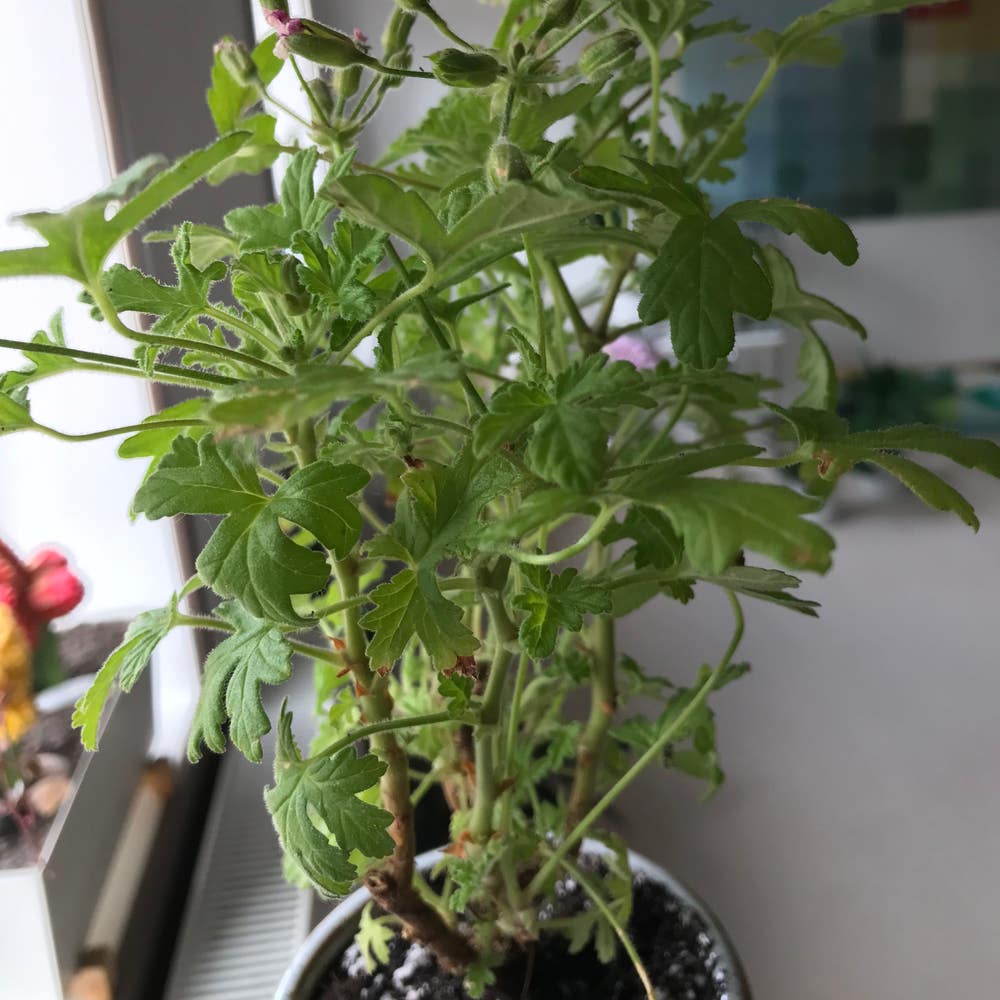
Symbolism and Benefits of the Common Mallow
Malva sylvestris
By the Greg Editorial Team
Jun 18, 2024•4 min read
This article was created with the help of AI so we can cover more plants for you. May contain errors. See one? Report it here.
- Symbol of love and healing, with roots in historical medicine.
- Edible, medicinal, and drought-tolerant, it's a garden's versatile ally.
- Cultivating community ties through shared Common Mallow traditions.
Unveiling the Symbolism
❤️ Love and Healing in Petals
The Common Mallow has long been a symbol of love, but not your garden-variety romance. It's the kind of love that's playful, youthful, and sometimes, according to the Victorians, downright passionate. They even thought it could stir up desires just by being inhaled. But it's not all about love potions and flushed cheeks; this plant also stands for healing, offering a nod to its historical use in soothing ailments.
🎨 A Muse for Myths and Art
Beyond the lovey-dovey stuff, the Common Mallow has been a creative catalyst. It's inspired artists and storytellers, much like the Wild Pansy has, but without the same level of fame. No Greek gods or nymphs here—just a humble plant that's been a practical symbol of survival and resilience, especially noted during the Battle for Jerusalem. It's the kind of plant that doesn't hog the limelight but still ends up in the folklore spotlight, proving that sometimes, the quiet ones have the most to say.

Top 5 Perks of Planting Common Mallow
💊 Nature's Own Pharmacy
Common Mallow, or Malva sylvestris, isn't just a pretty face; it's a veritable medicine chest. Anti-inflammatory properties make it a go-to for reducing pain and swelling. It's a digestive soother and a diuretic, flushing out toxins with aplomb. Its antioxidants boost the immune system, and it can even be applied topically to calm irritated skin.
🍽️ A Treat for the Taste Buds and the Bees
This plant's leaves are like spinach's cooler cousin—edible and nutrient-rich, with a mild, sweet flavor. They can thicken soups or be tossed into salads. And let's not forget the bees; Common Mallow is a magnet for these crucial pollinators, ensuring your garden stays abuzz with life.
🌱 The Gardener's Ally for Soil and Scenery
Beyond its beauty, Common Mallow is a soil superhero. It's a companion plant that improves soil health and prevents erosion. Its ornamental value is undeniable, with pink or white hollyhock-like flowers that elevate garden aesthetics and bring a wild charm to any landscape.
🏜️ Thriving Through the Thirst
Drought-tolerant? You bet. Common Mallow is a symbol of resilience, thriving in dry conditions where other plants might wither. It's a testament to the toughness of nature, making it a low-maintenance choice for the eco-conscious gardener.
☕ Brewing Bonds with Herbal Tea
Sharing a cup of Common Mallow tea isn't just about sipping on a soothing beverage; it's about community. This tradition can bring people together, fostering bonds over the shared appreciation of this plant's gentle flavor and calming properties. It's a ritual that weaves social fabric, one cup at a time.

The Ripple Effect of Growing Common Mallow
🌱 From Roots to Relationships
Cultivating Common Mallow goes beyond mere gardening; it's a catalyst for community bonding. This plant, with its unassuming presence, has a knack for bringing people together, much like the underground networks of fungi that connect trees in a forest.
Shared interests in gardening can lead to shared experiences. Whether it's swapping seeds or sharing tips on plant care, the act of growing Common Mallow can foster connections and contribute to a sense of community.
Gardening clubs and local projects often center around such plants, providing a platform for social interaction. The process of nurturing these plants can help individuals break the ice, leading to meaningful conversations and relationships.
Educational opportunities also sprout from this humble plant. It can be a focal point for teaching about ecology, herbal medicine, and sustainable practices, engaging both young minds and adults in lifelong learning.
Emotional well-being is another significant benefit. The presence of Common Mallow in community spaces can be a mood booster, echoing research that links flowers with happier emotional states.
Lastly, the historical and cultural significance of Common Mallow can be a conversation starter. Its use in folklore, medicine, and even as a grave flower speaks to its deep-rooted place in human history, offering a rich tapestry of stories to explore and share.

⚠️ Safety First
This content is for general information and may contain errors, omissions, or outdated details. It is not medical, veterinary advice, or an endorsement of therapeutic claims.
Always consult a qualified healthcare professional before using any plant as food, medicine, or supplement.
Never eat any plant (or feed one to pets) without confirming its identity with at least two trusted sources.
If you suspect poisoning, call Poison Control (800) 222-1222, the Pet Poison Helpline (800) 213-6680, or your local emergency service immediately.
Spotted an error? Please report it here.
Cultivate your own symbol of resilience 🌿 and foster community bonds with Greg's personalized care plans for the Common Mallow, enriching both your garden and social roots.