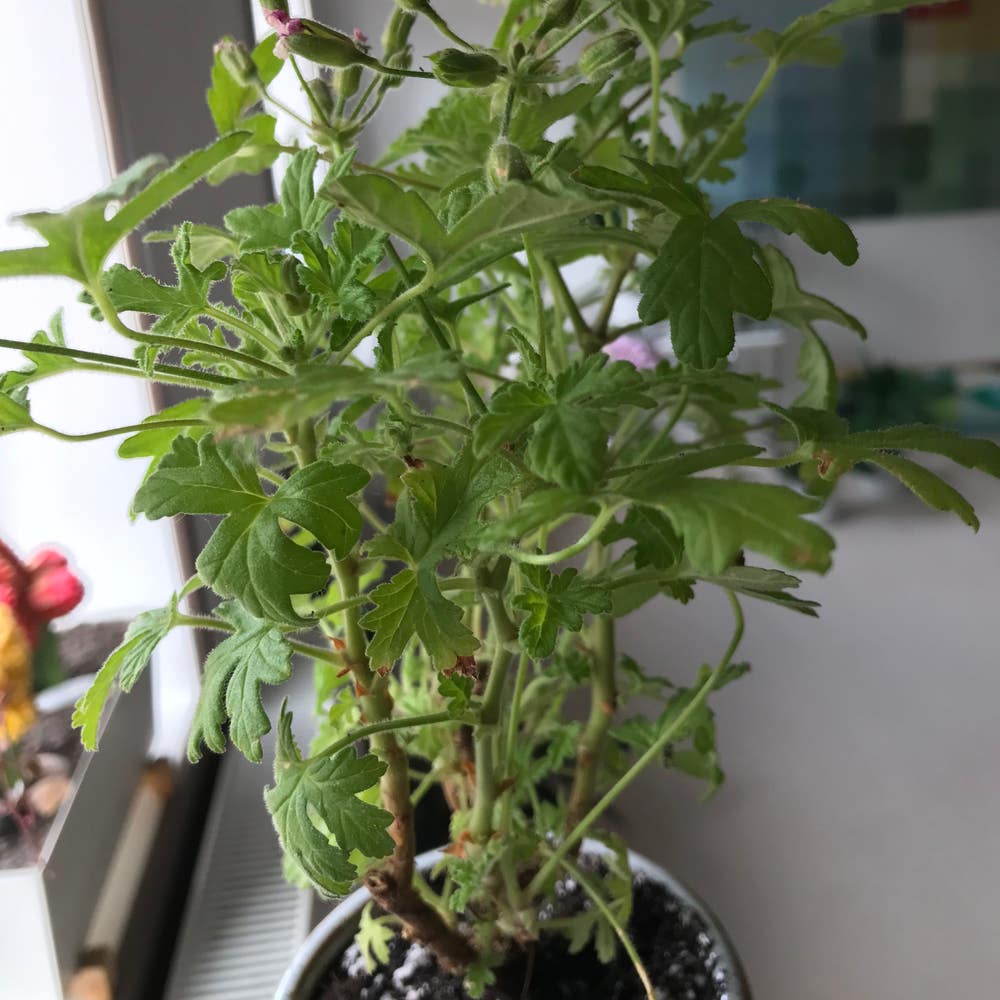
Why Are My Common Mallow Leaves Droopy?
Malva sylvestris
By the Greg Editorial Team
Jun 19, 2024•3 min read
This article was created with the help of AI so we can cover more plants for you. May contain errors. See one? Report it here.
- Underwatered or overwatered? Check soil moisture and adjust watering accordingly.
- Improve soil drainage with perlite or sand to prevent droopiness.
- Stable temps and indirect light keep your Mallow perky and healthy.
Spotting the Signs: When Your Mallow Goes Limp
🏜️ Underwatering Woes
- Spotting the thirst: Leaves drooping like a nodding off commuter? Time to check the soil. If it's as dry as a desert, your Mallow's begging for a drink.
- Quenching the need: Water until it drains out the bottom, but only when that top inch feels like a barren wasteland. Consistency is key—think of it as your plant's daily dose of coffee.
🌊 Overwatering Overload
- Soggy soil signals: Leaves turning yellow with a side of limp? Might be drowning in love. If the soil's wetter than a rainforest floor, hold off on the H2O.
- Finding the balance: Let the soil dry out to the touch before watering again. It's a delicate dance, like managing to eat a taco without spilling everything.
🚰 Soil Drainage Drama
- The perils of poor drainage: If your Mallow's slumping over like it's carrying the weight of the world, the soil might be holding onto water like a hoarder. That's a no-go for healthy roots.
- Fixing the flow: Mix in some perlite or sand to get that water moving. Think of it as unblocking a traffic jam, so your Mallow can stand tall again.

Environmental Factors: External Enemies of Elevation
🌡️ Temperature Tantrums
Temperature is a make-or-break factor for your Common Mallow. These plants prefer a stable climate, without the drama of sudden spikes or drops. Consistency is key; aim to maintain an environment between 65°F and 80°F. Extreme temperatures can cause your Mallow to become as droopy as a poorly held ice cream cone on a summer day.
🌞 Light Levels
Light plays a starring role in the health of your Mallow. While the plant enjoys a good bask, it doesn't want to sizzle. Aim for bright, indirect sunlight; think of it as the plant's ideal spa setting. Too much direct sun, and your Mallow's leaves might start to look as sunburnt as a tourist who forgot their sunscreen. Conversely, insufficient light can leave your plant languishing in the shadows, droopy and discolored. Keep an eye on the changing angles of sunlight throughout the seasons, and adjust your plant's position to ensure it gets its fill without overindulging.

Reviving Your Droopy Mallow: Immediate Interventions
💦 Watering Resuscitation
Hydration is key. If the soil's top inch is parched, it's time for a drink. Water your Mallow with room-temperature water, ensuring the soil is moist but not waterlogged. Remember, it's a drink, not a swim.
🌱 Soil and Pot Makeover
Repotting can be a game-changer. Mix in some perlite or sand to improve drainage and give your Mallow a fresh start. Choose a pot that's just the right size—not too snug, not too spacious.

Keeping Your Mallow Perky: Long-Term Love and Care
📆 Consistent Care Schedule
Timing is crucial for a thriving Common Mallow. Establish a watering routine that's in sync with the soil's dryness, not the date on your calendar. Water deeply every 10 to 14 days once established, but stay flexible to your plant's needs and seasonal changes.
👀 Ongoing Observation
Vigilance is your plant's guardian angel. Keep a close watch on your Mallow's environment, noting any subtle changes. Adjust care practices promptly to maintain its perkiness. Use tools like a hygrometer to monitor humidity, ensuring your care is as precise as a chef's knife.
⚠️ Safety First
This content is for general information and may contain errors, omissions, or outdated details. It is not medical, veterinary advice, or an endorsement of therapeutic claims.
Always consult a qualified healthcare professional before using any plant as food, medicine, or supplement.
Never eat any plant (or feed one to pets) without confirming its identity with at least two trusted sources.
If you suspect poisoning, call Poison Control (800) 222-1222, the Pet Poison Helpline (800) 213-6680, or your local emergency service immediately.
Spotted an error? Please report it here.
Ensure your Mallow never nods off again by using Greg's 🌱 custom watering reminders to keep soil moisture just right, based on your home's unique environment.