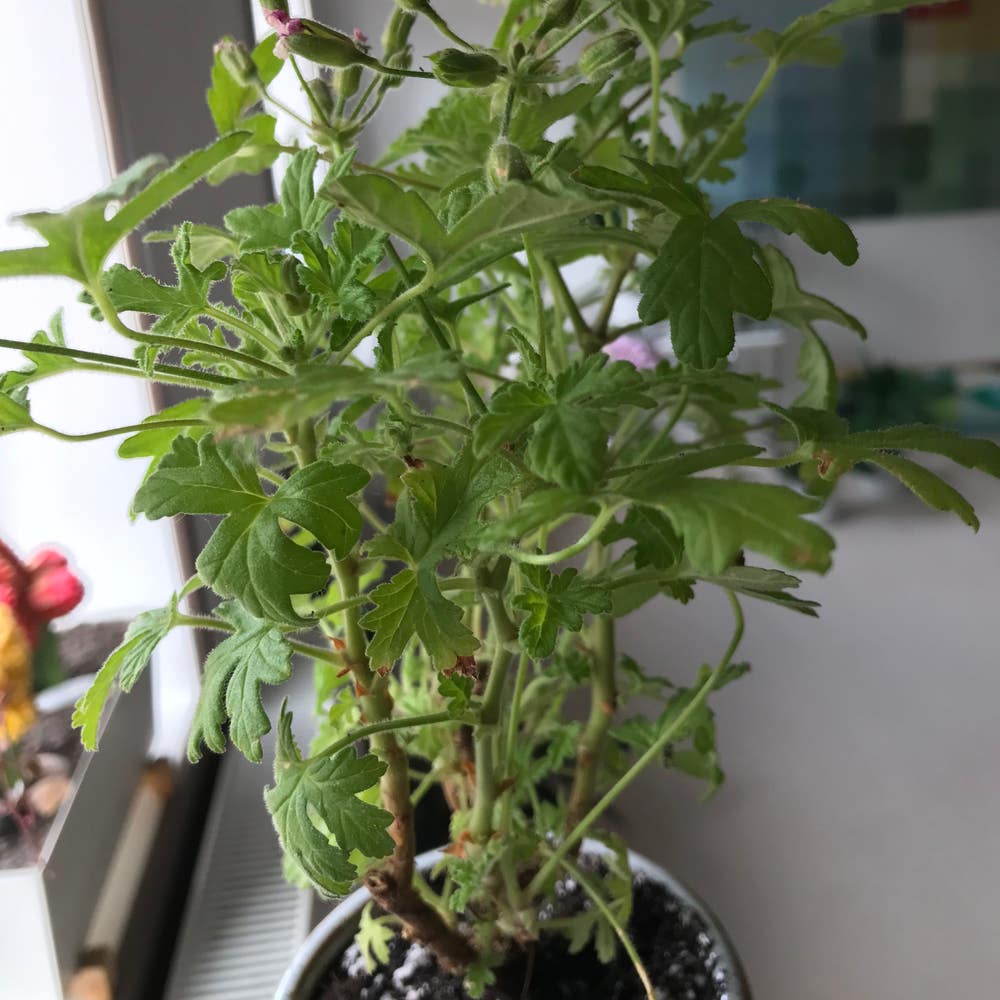
🌞 How Much Sunlight Does My Common Mallow Need?
Malva sylvestris
By the Greg Editorial Team
Jun 19, 2024•3 min read
This article was created with the help of AI so we can cover more plants for you. May contain errors. See one? Report it here.
- Full sun to partial shade is best for Common Mallow's vibrant blooms.
- Protect from intense sun with shade cloth or afternoon shade above 90℉.
- Indoor light management with south-facing windows or LED grow lights enhances flowering.
Soaking Up the Sun: Outdoor Light Love for Common Mallow
🌞 Finding the Sweet Spot
Common Mallow basks in full sun but doesn't mind a little shade. To pinpoint the ideal sun-shade ratio, observe your garden's light patterns. Morning sun with afternoon shade is the golden ticket, especially in scorching summers. Keep an eye on the bloom's vibrancy; a lackluster color could signal the need for more light.
🛡️ Protecting Your Mallow
In the summer's peak, Common Mallow can suffer from too much of a good thing. Afternoon shade is crucial when temperatures soar above 90℉ (32℃). Consider using shade cloth or relocating potted mallows to a less intense spot. Watch for signs of sun stress—crispy, discolored leaves are a red flag. Act fast, and your mallow will thank you with lush growth.

Bringing the Sunshine In: Indoor Light Care
🌞 Window Wonders
South-facing windows are the VIP seats for your Common Mallow, offering the most consistent light. But not every plant wants to be in the spotlight all day. East or west-facing windows provide a matinee show—good light at certain times, less at others. Remember, glass can amplify sunlight, so watch for signs of too much sun like leaf tan lines.
To avoid the midday glare, use curtains or blinds. Adjust them throughout the day to control the light as if you're a DJ mixing tracks. Too intense? Draw the curtains. Too dim? Let your plant soak in the dappled light.
💡 Artificial Sunbeams
When natural light is playing hard to get, especially during short winter days, grow lights step in as understudies. They're not a replacement for the sun, but they can keep the show going. LED or fluorescent lights are your best bet, offering a balance that encourages growth without stressing your plant.
Use grow lights to supplement natural light, not dominate it. Aim for a 12-hour maximum to prevent messing with your plant's blooming potential. It's about finding the right balance, like having just enough coffee to be alert but not jittery.

Flower Power: Light's Role in Blooming
🌼 Timing the Rays
Understanding how light duration influences flowering in Common Mallow is like unlocking a secret garden of vibrant colors.
🌞 The Photoperiod Effect
Common Mallow thrives under long day conditions for flowering. This means they need extended periods of daylight to initiate and sustain the blooming process. Without this, your mallow might as well be waiting for a bus that never comes.
💡 Night Interruption Lighting
When natural daylight falls short, especially in northern latitudes, a little artificial boost can go a long way. Using night interruption lighting can trick your mallow into thinking the days are just right for showing off its flowers.
💡 Light Quality and Intensity
It's not just about the duration; the quality of light matters too. Bright, indirect light is the sweet spot for Common Mallow, like a perfectly tuned instrument in an orchestra. Too direct, and you risk the equivalent of a plant sunburn.
💡 Managing Indoor Light
Indoor gardeners, fear not. If your mallow's not basking in the sun's glory, LED grow lights can be your ace in the hole. They're like a personal sun for your plant, minus the risk of overexposure.
🌞 Natural Rhythms
Pay attention to the seasons. As days lengthen or shorten, adjust your mallow's light exposure accordingly. It's about syncing with nature's clock, not fighting against it.
Remember, light is the conductor of the flowering symphony. Get it right, and your Common Mallow will not only hit the high notes, it'll sustain them.
⚠️ Safety First
This content is for general information and may contain errors, omissions, or outdated details. It is not medical, veterinary advice, or an endorsement of therapeutic claims.
Always consult a qualified healthcare professional before using any plant as food, medicine, or supplement.
Never eat any plant (or feed one to pets) without confirming its identity with at least two trusted sources.
If you suspect poisoning, call Poison Control (800) 222-1222, the Pet Poison Helpline (800) 213-6680, or your local emergency service immediately.
Spotted an error? Please report it here.
Keep your Common Mallow's blooms radiant 🌞 by letting Greg tailor your plant's light needs to your unique home environment, ensuring just the right amount of sunshine!