Why Is My Common Mallow Not Doing Well?
Malva sylvestris
By the Greg Editorial Team
Jun 18, 2024•5 min read
This article was created with the help of AI so we can cover more plants for you. May contain errors. See one? Report it here.
- Water wisely: Too much or too little harms your Mallow.
- Stable sun and temps: Adjust exposure and avoid extremes.
- Consistent care: Routine and cleanliness prevent stress and pests.
Water Woes: Striking the Right Balance
💧 Over and Under-Watering
Spotting the Signs
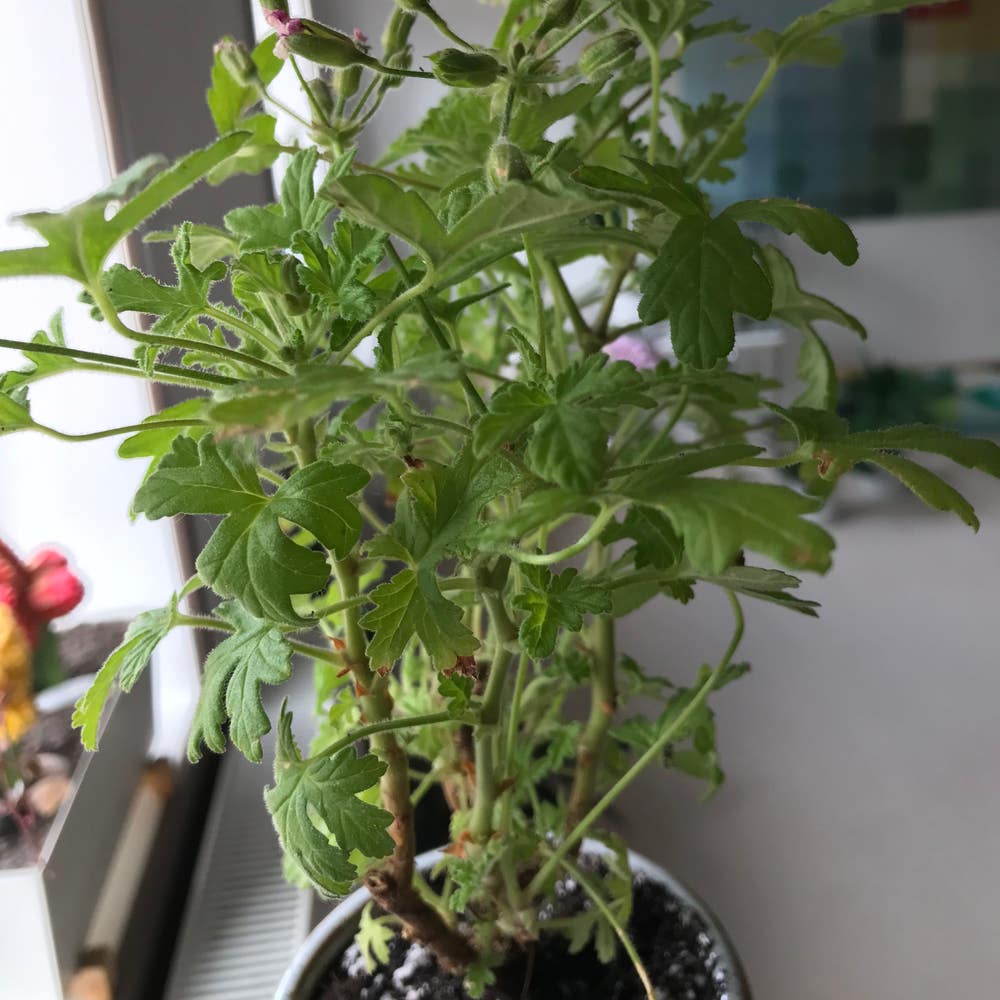
Yellow leaves and wilting are the Common Mallow's SOS. Over-watering turns leaves as yellow as caution tape, while under-watering leaves them limp, like a deflated balloon. A plant's plea for the right amount of H2O is loud if you know how to listen.
The Root of the Problem
Water is a life-giver, but it's also a taker when it comes to plant health. Too much, and roots rot; too little, and they desiccate. It's a delicate dance on a tightrope, with gravity waiting to claim your green friend.
Thirsty for a Solution
To nail watering, think of it as a rhythm, not a routine. Check the soil's top inch—if it's dry, it's time to hydrate. Water deeply but infrequently, encouraging roots to reach and grow strong.
Root Rot: When Too Much Love Drowns Your Plant
Unearthing the Issue
Root rot is the plant equivalent of a heart attack—silent and deadly. If your Common Mallow's base feels squishier than a marshmallow, it's time to act fast.
Soggy Situations
Common culprits of root rot include overzealous watering and poor drainage. It's like putting your plant in a bathtub with no drain—eventually, it's going to drown.
Drying Out the Drama
To save a waterlogged plant, trim the rotten roots like a bad haircut. Repot with fresh, well-draining soil and adjust your watering habits. It's like rehab for plants—tough love, but necessary.

Light and Temperature: Finding the Sweet Spot
💡 The Light Dilemma: Too Much or Too Little
Common Mallow tells its life story through its leaves. Yellowing may scream "I'm getting too much sun, back off!" while a spindly, stretched appearance whispers "I could use a little more light, please."
Adjusting your plant's sun exposure is not rocket science. If it's basking in the sun like it's on a beach in Ibiza, move it to a spot with gentler light. Conversely, if it's lurking in the shadows like a moody teenager, give it a nudge towards a brighter area.
🌡️ Temperature Tantrums: Keeping Your Mallow Comfy
When your Common Mallow starts to look more like an ice sculpture or a wilted salad, it's feeling the temperature extremes. Recognizing temperature stress is about noticing if your plant has started to throw a fit—droopy leaves in the heat, or a shivering stance in the cold.
Creating a stable environment is like setting up a cozy living room for your plant. Keep it away from drafty windows and hot radiators. Consider a thermostat to avoid turning your plant's home into either a sauna or an igloo. Your Mallow doesn't want to weather a storm—it prefers a steady climate.

Attack of the Pests and Pathogens
🐛 Bug Battles: Defending Against Pests
Common Mallow can play host to a variety of unwanted visitors. Aphids, spider mites, and mealybugs are the usual suspects, each leaving their own calling card of destruction. Aphids suck the life out of new growth, spider mites weave tiny webs and cause yellowing leaves, while mealybugs look like tiny cotton swabs sucking on the plant's juices.
Regular inspections are your first line of defense. Catching these pests early can mean the difference between a minor annoyance and a full-blown infestation. For a natural approach, introduce predators like ladybugs or lacewings to your garden—they're like the bouncers at the club, showing pests the door. If things get out of hand, reach for insecticidal soap or neem oil. These are your organic artillery, effective yet gentle on the ecosystem.
🍄 Fungus Among Us: Tackling Mold and Mildew
Fungal issues often manifest as unsightly spots on leaves. Rust fungus, for instance, will have your Mallow's leaves looking like they've been in a fight with a paintball gun. Mold and mildew can also throw a party on your plant, appearing as white or black patches that spread like wildfire.
To keep these fungal fiestas at bay, airflow is your DJ, keeping the atmosphere too lively for mold to settle. Remove affected leaves promptly—think of it as kicking out the troublemakers. If prevention doesn't cut it, it's time for the cleanup crew: fungicides. Opt for options like potassium bicarbonate or biofungicides, but remember to follow the label closely—it's the rulebook for safe and effective use. And don't forget, cleanliness in your garden is like good hygiene—it prevents a lot of problems before they start.

Environmental Stress: When Conditions Aren't Just Right
🌞 Leaf Scorching: Sunburn and Its Aftermath
Burn notice: Your Common Mallow might be showing signs of too much sun. Look for leaves with crispy edges or a bleached appearance, indicating sunburn.
Shade and shelter: To protect your plant, provide dappled shade during the hottest parts of the day. Consider using a sheer curtain or moving it to a less intense light environment.
The Stress of Inconsistency: Why Routine Matters
Erratic care can throw your Common Mallow for a loop. Fluctuating care practices can lead to a stressed plant that's more susceptible to issues.
Consistent care routine: Establish a stable environment with regular watering, lighting, and temperature control to keep your Common Mallow in top shape.
⚠️ Safety First
This content is for general information and may contain errors, omissions, or outdated details. It is not medical, veterinary advice, or an endorsement of therapeutic claims.
Always consult a qualified healthcare professional before using any plant as food, medicine, or supplement.
Never eat any plant (or feed one to pets) without confirming its identity with at least two trusted sources.
If you suspect poisoning, call Poison Control (800) 222-1222, the Pet Poison Helpline (800) 213-6680, or your local emergency service immediately.
Spotted an error? Please report it here.
Ensure your common mallow thrives by using Greg's custom watering schedule to prevent over-watering 💧 and create a stable, healthy environment for your plant.