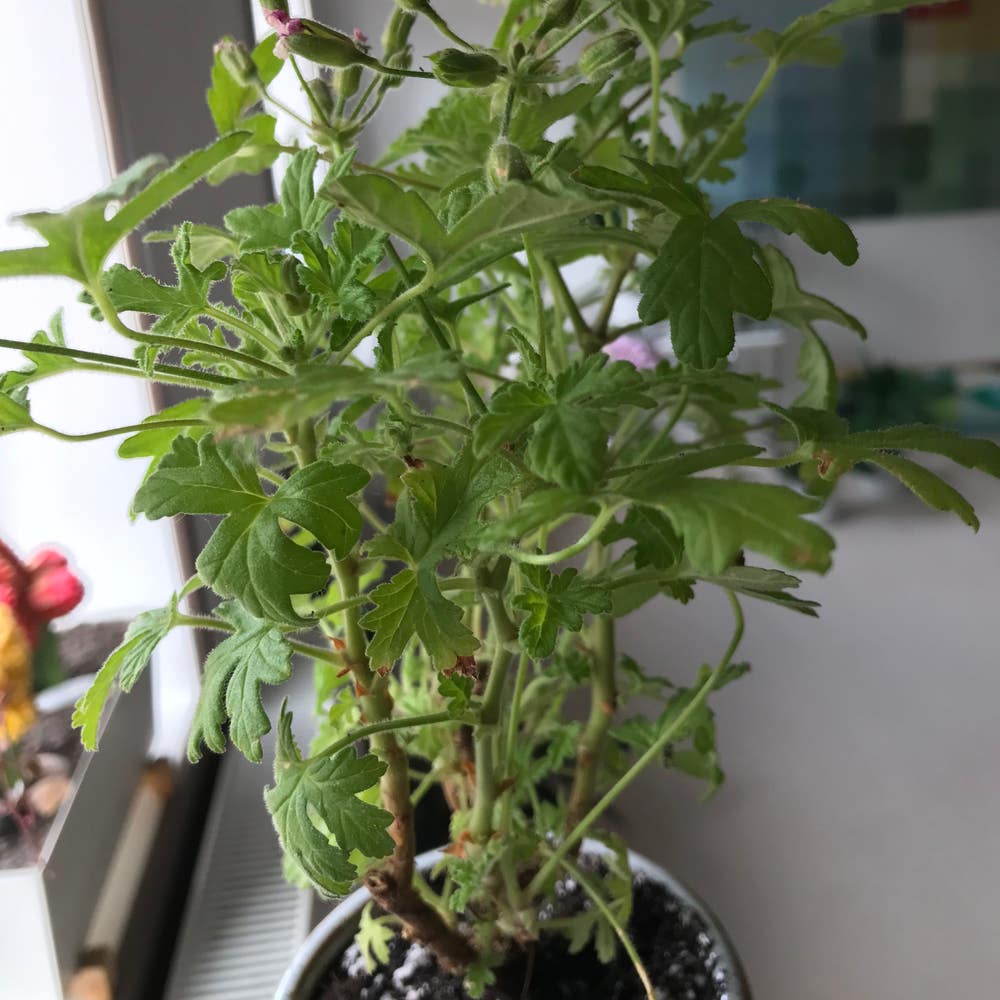
What Temperature Does My Common Mallow Need?
Malva sylvestris
By the Greg Editorial Team
Jun 18, 2024•5 min read
This article was created with the help of AI so we can cover more plants for you. May contain errors. See one? Report it here.
- 65°F to 85°F for happy Mallows, outside this range risks growth and health.
- 🌡️ Watch for wilting and stunted growth as signs of temperature stress.
- Optimal temps encourage blooming, while swings can hinder flower development.
When It's Just Right: The Sweet Spot for Common Mallow Temps
♨️ Ideal Temperature Range for Thriving
65°F to 85°F—these are the magic numbers for Common Mallow. This range is the plant's nirvana, where it can photosynthesize efficiently and strut its stuff without breaking a sweat or catching a chill.
Why this range? It's the botanical equivalent of a cozy blanket on a chilly day. The Common Mallow can grow, flourish, and be its best self without the stress of extreme temperatures.
What Happens Outside the Comfort Zone?
Dip below 65°F, and you're sending your Common Mallow an invitation to sulk. Growth slows, and the plant's vigor fades. It's not a death sentence, but it's not a life of botanical luxury either.
Above 85°F, it's like sticking your plant in a sauna it never asked for. Heat stress can cause wilting, leaf scorch, and a general sense of plant malaise. It's the difference between thriving and merely surviving.

Tell-Tale Signs Your Common Mallow is Feeling the Heat (or Chill)
🌡️ Visual Cues of Temperature Stress
Wilting is your Common Mallow's white flag in the battle against extreme temperatures. If you spot leaves that resemble crispy autumn foliage, it's time to dial back the heat. Conversely, leaves that feel like they've been soaked and forgotten in the fridge indicate a chill that's too much to handle. Stunted growth is the plant's way of saying, "I'm not thriving here."
🚑 Long-Term Consequences of Ignoring the Signs
Ignore these signs, and you're on a one-way trip to Plant Hospice. Discoloration and wilting can lead to a point of no return, where even the greenest thumb can't resuscitate the fallen. If your Common Mallow's growth has hit a wall, it's a clear indicator that the temperature stress has gone from acute to chronic.

Keeping Your Cool: Protecting Common Mallow from Extreme Temps
🌡️ Battling the Blaze: Guarding Against Heat Stress
When the mercury climbs, Common Mallow needs a break from the bake. Shade is your plant's best friend during a scorcher. Rig up a sunblock with a cloth or relocate potted mallows to a less intense spot. Keep the soil's thirst quenched but don't drown it—water when the top 2 inches feel like a dry desert. If it's hotter than a pepper sprout, bring those potted beauties indoors. They're tough, but they're not made of asbestos.
❄️ Frosty Nights and Chilly Days: Winter Care
Winter's chill can turn your Common Mallow into a mallow-pop. Insulation is key—think mulch, not a wool sweater. For potted plants, moving them inside is like giving them a warm hug. If they're ground-bound, a frost cloth can be their knight in shining armor. Just remember, no sudden heat spikes; thaw them out like a pint of your favorite ice cream, slow and steady.
Blooms and Thermometers: Temperature's Role in Flowering
🌡️ Warm Days, Lush Flowers: The Connection
Optimal temperatures are like a green thumb's secret weapon for coaxing Common Mallow into bloom. The plant's internal mechanisms, finely tuned to the thermometer, kick into gear when the mercury hits just right. It's not just about warmth; it's about hitting that sweet spot where the plant feels like strutting its stuff in the form of lush flowers.
🌡️ When Temperatures Fluctuate: Flowering Impact
Temperature swings are the party crashers of the Common Mallow's blooming bash. Too hot, and the plant's metabolism might race, leaving blooms underdeveloped. Too cold, and it's like the plant is hibernating, with flowers that are no-shows. Consistency isn't just a buzzword; it's the rhythm the Common Mallow needs to dance its way into a full floral display.
A Quick Word on Humidity: Just a Dash
In the grand scheme of Common Mallow care, humidity is more of a backup singer than a lead vocalist. It's essential, but it doesn't steal the show like temperature does.
🌿 The Role of Humidity in Common Mallow Care
Common Mallow doesn't make a fuss over air moisture. It's not a diva. Moderate humidity is its comfort zone, and it's pretty adaptable outside of that.
🎭 Humidity: The Silent Partner
While you're dialing in those temperatures, remember that humidity is the silent partner, working the background to keep your Common Mallow's leaves supple and healthy.
🌧 Keeping Humidity in Check
If you sense the air's drier than a humorist's monologue, a pebble tray or a casual misting can step in as understudies. But don't overdo it; you're not trying to create a rainforest.
🍂 Seasonal Humidity Swings
As seasons change, so does the indoor air. Keep an eye on your plant's reaction to these shifts. A hygrometer can be your sidekick here, helping you keep tabs on the situation without the guesswork.
📉 The Bottom Line on Humidity
Keep it simple. Common Mallow isn't high-maintenance when it comes to humidity. Just ensure the soil moisture is consistent, and your plant will likely thrive without turning your home into a tropical greenhouse.
⚠️ Safety First
This content is for general information and may contain errors, omissions, or outdated details. It is not medical, veterinary advice, or an endorsement of therapeutic claims.
Always consult a qualified healthcare professional before using any plant as food, medicine, or supplement.
Never eat any plant (or feed one to pets) without confirming its identity with at least two trusted sources.
If you suspect poisoning, call Poison Control (800) 222-1222, the Pet Poison Helpline (800) 213-6680, or your local emergency service immediately.
Spotted an error? Please report it here.
Ensure your Common Mallow thrives 🌡️ by relying on Greg to subtly nudge you with the right care tips for maintaining that sweet-spot temperature range!