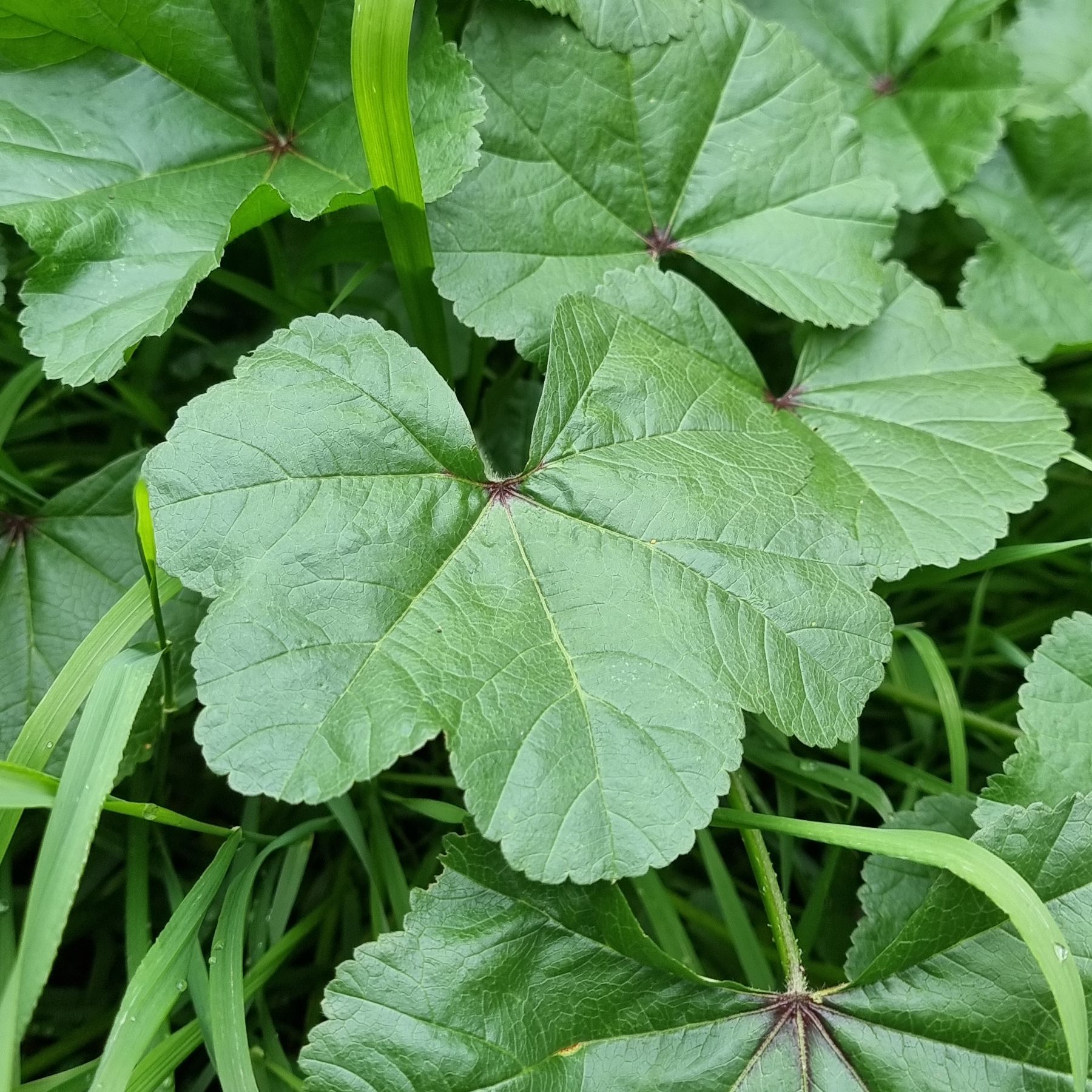
High Mallow

How to Prune High Mallow

Malva sylvestris
Reviewed by Kiersten Rankel M.S.
Quick Answer
Deadhead High Mallow regularly during summer to extend the blooming season and prevent excessive self-seeding. Cut the whole plant back by a third in fall after blooming winds down. High Mallow self-seeds prolifically, so removing spent flowers before they set seed is the most important pruning task.

When is the best time to prune?

High Mallow blooms from late spring through late summer across its wide hardiness range of zones 4-8, with timing for the fall cut-back varying by 4-6 weeks across regions.

US pruning regions map
Pacific
Jun–Sep (deadhead); Oct cut-back
Mountain
Jun–Aug (deadhead); Sep cut-back
Midwest
Jun–Sep (deadhead); Oct cut-back
Northeast
Jun–Sep (deadhead); Oct cut-back
Southeast
May–Sep (deadhead); Oct cut-back
Stay on top of plant care
Get seasonal reminders for watering and fertilizing — personalized for your plants.
Try Greg Free

Why Should I Prune My High Mallow?

High Mallow is a vigorous bloomer that produces funnel-shaped flowers with distinctive dark veining from late spring through summer. Left without deadheading, it puts energy into setting seed and slows down flowering. More importantly, it self-seeds freely and can become invasive in some garden situations.

Regular deadheading, removing spent flowers before the seed pods develop, keeps the plant blooming longer and limits the spread. Snip or pinch off each spent flower at the base of the flower stem, just above the nearest set of leaves.

High Mallow has a somewhat sprawling, upright growth habit and can get tall and floppy by late summer. Cutting back by about a third when blooming slows helps tidy the plant and often encourages a late-season flush of flowers.

This plant is short-lived as a perennial and behaves like a biennial in cooler zones. Some gardeners let a few flowers go to seed each year to ensure the next generation, then remove the parent plants. If you want to control self-seeding, deadhead consistently and collect a few seed heads intentionally rather than letting them scatter.

Know Before You Cut

Difficulty Easy
Max removal 1/3 of height in fall; flower by flower during season
Growth pattern Upright branching perennial
Tools Scissors or pruning shears

What Should I Remove?

Deadhead spent flowers weekly during bloom season
Cut back by a third in fall when blooming slows
Remove seed pods before they ripen if controlling spread
Cut back to just above a healthy leaf or side shoot
Don't let flowers go to seed unless you want self-sowing
Don't cut back in spring or you remove developing flower buds
Don't cut into woody base stems with no green growth

How Do I Prune Step by Step?

1
Deadhead spent flowers throughout summer
Check the plant every week or so during blooming. Remove spent flowers by snipping at the base of each flower stem just above a leaf. Consistent deadheading is more effective than occasional heavy pruning.
2
Watch for developing seed pods
High Mallow seed pods form quickly after flowering. They look like small round discs, sometimes called 'cheeses' due to their shape. Remove them before they dry and split open if you want to control self-seeding.
3
Cut back by a third in late summer or fall
Once the main flush of blooming is winding down, cut the entire plant back by about a third. Cut just above a leaf or side branch to keep the cuts clean.
4
Remove dead or damaged stems
After the fall cut-back, look through the base for any completely dead stems. Remove them at ground level to improve airflow and reduce the chance of disease over winter.

Got More Questions?

Can I prune High Mallow in spring?
Light removal of winter-damaged stems in early spring is fine. Avoid major pruning in spring, as this is when the plant sets up its flowering stems for the season and heavy cuts delay blooming.
My High Mallow is spreading everywhere. How do I control it?
Consistent deadheading before seed pods ripen is the most effective control. If plants have already spread, dig up unwanted seedlings in spring before they establish deep roots.
Will High Mallow come back after a hard cut-back?
Yes, as long as you don't cut into completely bare woody sections at the base. Cut back to where green leafy growth is visible and the plant will recover. Very old woody bases may not resprout reliably.
My High Mallow is flopping over. Should I prune it?
Flopping usually means the stems are getting top-heavy from fast growth. You can cut back the tallest stems by about a third to reduce the weight and encourage branching lower on the plant. Staking the central stems also helps if the plant is in a windy spot.
Stay on top of plant care
Get seasonal reminders for watering and fertilizing — personalized for your plants.
Try Greg Free

About This Article

Kiersten Rankel M.S.
Botanical Data Lead at Greg · Plant Scientist
About the Author
Kiersten Rankel holds an M.S. in Ecology & Evolutionary Biology from Tulane University. A certified Louisiana Master Naturalist, she has over a decade of experience in science communication, with research spanning corals, cypress trees, marsh grasses, and more. At Greg, she curates species data and verifies care recommendations against botanical research.
See Kiersten Rankel's full background on LinkedIn.
Editorial Process
Pruning guidance verified against Malva sylvestris growth data from Greg's botanical database, cross-referenced with USDA hardiness zone data and published horticultural research.
121+ Greg users growing this plant
USDA hardiness zones 4a–8b
Grow plants with confidence