


Hairy Galinsoga
About Hairy Galinsoga
This is an invasive summer annual weed with erect or sprawling stems. Leaves are opposite, roundish to triangular, 1 to 3 inches long and 1/2 to 2 inches wide. Flower heads are small with 4 to 5 white ray flowers that have yellow discs. This plant is generally found in meadows and naturalized areas.
Taxonomy

Galinsoga quadriradiata
Galinsoga
Asteraceae
Asterales
Also known as
Shaggy soldier and Peruvian daisy

How to care for Hairy Galinsoga
How often to water your Hairy Galinsoga

every 9
Hairy Galinsoga needs 0.5 cups of water every 9 when it doesn’t get direct sunlight and is potted in a 5" pot.
Use our water calculator to personalize watering recommendations to your environment or download Greg for more advanced recommendations for all of your plants.

Water 0.5 cups every
9
Finding light for Hairy Galinsoga in your home

a window
Hairy Galinsoga love being close to bright, sunny windows 😎.
Place it less than 1ft from a south-facing window to maximize the potential for growth.
Hairy Galinsoga does not tolerate low-light 🚫.
Select your region to see how the current weather in your area affects the placement of Hairy Galinsoga in your home 🏡.
How to fertilize Hairy Galinsoga

Most potting soils come with ample nutrients which plants use to produce new growth.
By the time your plant has depleted the nutrients in its soil it’s likely grown enough to need a larger pot anyway.
To replenish this plant's nutrients, repot your Hairy Galinsoga after it doubles in size or once a year—whichever comes first.
Care Summary for Hairy Galinsoga

Hairy Galinsoga
 Greg recommends:
 Water
Water
0.5 cups every 9 days
 Placement
< 1ft from a window
 Nutrients
Repot after 2x growth
Based on the 4” pot your plant is in, and that it doesn’t get direct sunlight.
 Trending in your area
Marble Queen Pothos
Lady Finger Cactus
Weeping Fig

White Bird of Paradise
Snake Plant

Satin Pothos

Swiss Cheese Vine

Elephant Bush
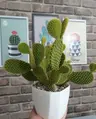
Bunny Ears Cactus
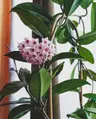
Waxplant

Dwarf Umbrella Tree

Fairy Washboard
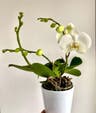
Phalaenopsis Orchid
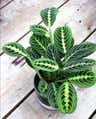
Green Prayer Plant
Cornstalk Dracaena
Philodendron Birkin

Pincushion Peperomia

Ponytail Palm
 Similar to Hairy Galinsoga

✨ Discover rare plants

Philodendron eximium

Lithops
Chinese Evergreen 'Ga…

Crassula 'Purple Drag…

Begonia hydrocotylifo…

Chandelier Plant

Scindapsus pictus 'Si…

Fernleaf Lavendar

Fagraea ceilanica
Astroloba congesta
White Apple Moth Orch…

Maroon Pitcher Plant

Kudu Lily

Eden Climbing Rose

Bonsai Crassula

Raphionacme flanaganii

Orange Lipstick Plant
