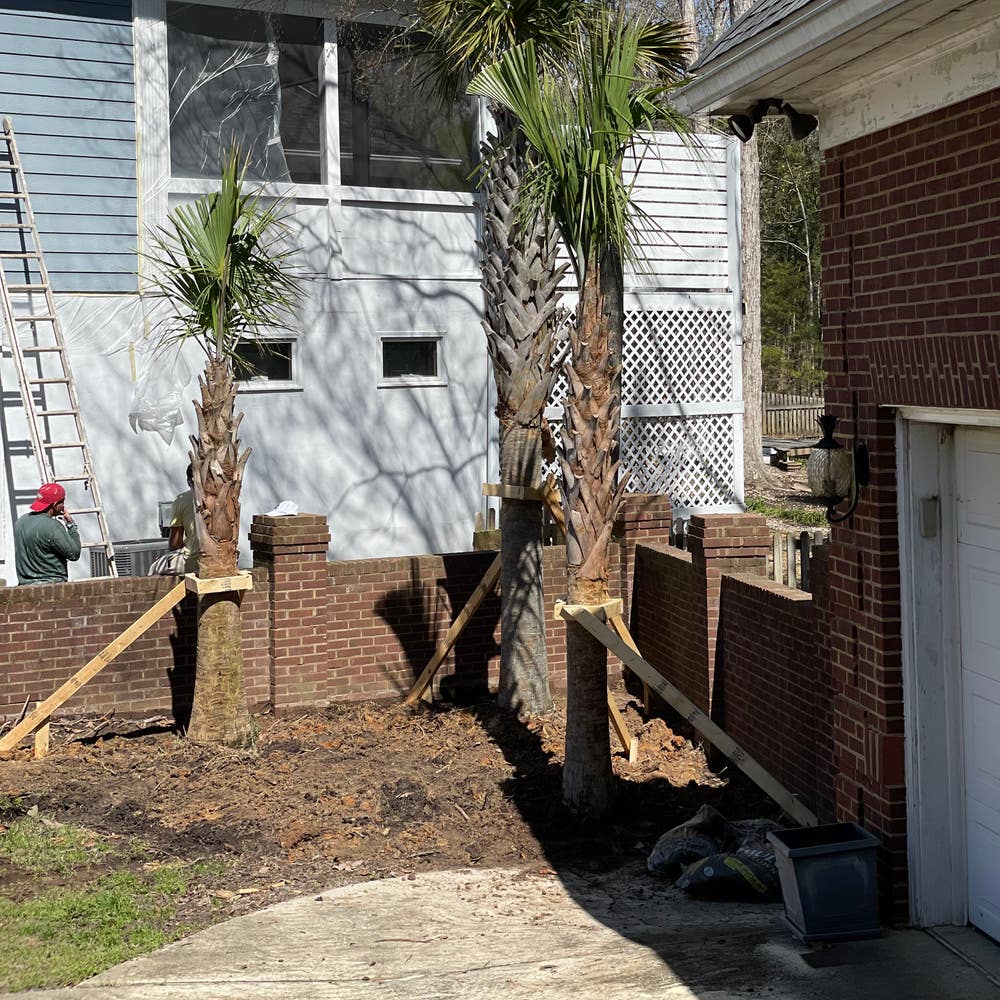
🌴 Palmetto: Not an Invasive Plant
Sabal palmetto
By the Greg Editorial Team
Oct 15, 2024•5 min read
This article was created with the help of AI so we can cover more plants for you. May contain errors. See one? Report it here.
Transform your garden with Palmetto 🌿—a native plant that boosts beauty, sustainability, and local wildlife! 🦋
- 🌱 Palmetto is non-invasive, thriving slowly and coexisting with other plants harmoniously.
- 🦋 Supports local wildlife by providing food and habitat, enhancing biodiversity.
- 🌾 Drought-tolerant and low-maintenance, Palmetto enriches gardens sustainably and visually.
Plant Classification
🌱 Definition of Invasive Plants
Invasive plants are characterized by aggressive growth, rapid spread, and a tendency to disrupt local ecosystems. They often outcompete native species, leading to a decline in biodiversity and altering habitat structures.
🌴 Why Palmetto is Not Invasive
Palmetto exhibits a slow to moderate growth rate, which naturally limits its spread. This controlled growth allows it to coexist harmoniously with other plants in the ecosystem.
Clumping Growth Habit
The clumping growth habit of Palmetto further contributes to its non-invasive nature. Instead of sprawling uncontrollably, it forms tight clusters, making it easier to manage in garden settings.
Native Status
Being a native species is crucial for maintaining ecological balance. Palmetto supports local wildlife and contributes to the health of its environment, reinforcing its role as a beneficial plant rather than a threat.
In summary, understanding the classification of Palmetto helps clarify its role in gardens and ecosystems. Next, we’ll explore its growth habits and how they influence its use in landscaping.
Growth Habits
🌱 Typical Growth Patterns in Gardens
Palmetto plants exhibit a distinctive clumping growth habit, typically reaching heights of 4 to 10 feet and spreading 3 to 6 feet wide. This compact form makes them ideal for various garden settings, providing structure without overwhelming surrounding plants.
Their unique fan-shaped leaves add a striking aesthetic element to any landscape. These leaves not only enhance visual appeal but also create a lush, tropical vibe that many gardeners seek.
🌾 Natural Limits to Growth
Palmetto thrives in sandy or well-drained soils, showcasing impressive drought tolerance. This adaptability allows them to flourish in less-than-ideal conditions, making them a resilient choice for gardeners.
With a lifespan of several decades, Palmetto contributes to garden stability. Their longevity means less frequent replanting, allowing gardeners to enjoy a consistent landscape over the years.
Incorporating Palmetto into your garden not only enhances its beauty but also ensures a sustainable and low-maintenance environment. As we explore the ecological role of Palmetto, you'll see how these plants benefit local wildlife and contribute to a balanced ecosystem.
Ecological Role
Benefits in Ecosystems 🌱
Palmetto plays a vital role in local ecosystems by providing essential habitat for various wildlife, including birds and insects. Its dense clumping growth offers shelter and nesting sites, making it a haven for many species.
Additionally, Palmetto contributes to soil stabilization, particularly in sandy environments. Its extensive root system helps prevent erosion, ensuring that the soil remains intact and healthy.
Interactions with Local Wildlife 🦋
Palmetto is not just a shelter; it also serves as a food source for numerous species. The berries and leaves are particularly beneficial, attracting birds and small mammals that rely on them for sustenance.
Moreover, Palmetto fosters positive interactions with local pollinators and beneficial insects. Its flowers draw in bees and butterflies, enhancing biodiversity and supporting the overall health of the ecosystem.
In summary, Palmetto's ecological contributions are significant. Its role in providing habitat and food, along with its ability to stabilize soil, makes it an invaluable asset to local wildlife and the environment.
As we explore how to incorporate Palmetto into garden designs, understanding its ecological benefits can enhance our appreciation for this remarkable plant.
Garden Management
Incorporating into Garden Designs 🌿
When adding Palmetto to your garden, consider its placement carefully. It works beautifully in garden beds, borders, or as a striking focal point.
For a harmonious look, pair Palmetto with other native plants. Options like Black-eyed Susans or Coneflowers not only complement its aesthetic but also enhance its growth.
Controlling Growth for Aesthetics ✂️
Pruning is key to maintaining the desired shape and size of your Palmetto. Aim to prune during the growing season, removing any dead or overgrown fronds.
To keep your Palmetto contained, monitor its spread regularly. This ensures it stays within designated areas, allowing you to enjoy its beauty without worry.
Incorporating Palmetto into your garden design not only elevates its visual appeal but also supports local ecosystems. With the right management techniques, you can create a stunning, sustainable garden that thrives for years to come.
Comparison to Other Plants
🌱 Similar Non-Invasive Plants
When considering non-invasive plants, several native species share growth habits with Palmetto. For instance, the Saw Palmetto and the Sabal Palm both exhibit clumping growth and can thrive in similar environments.
These plants not only enhance garden aesthetics but also provide ecological benefits. They attract local wildlife and contribute to soil health, making them excellent companions in any garden setting.
🌟 Unique Qualities of Palmetto
Palmetto stands out with its distinctive fan-shaped leaves and unique clumping growth. This growth habit not only adds visual interest but also makes it a resilient choice for gardeners.
Moreover, Palmetto's drought tolerance is a significant advantage in low-maintenance gardens. Its ability to thrive with minimal water makes it a sustainable option for those looking to create eco-friendly landscapes.
Incorporating Palmetto into your garden design not only beautifies the space but also promotes biodiversity, ensuring a thriving ecosystem. As you explore your gardening options, consider how Palmetto can play a vital role in your sustainable gardening practices.
Legal and Environmental Considerations
🌍 Relevant Classifications and Guidelines
When considering planting Palmetto, it's essential to be aware of local regulations. Many regions encourage the use of native plants like Palmetto due to their ecological benefits, but some areas may have specific guidelines regarding their cultivation.
Using native plants not only supports local wildlife but also helps maintain the ecological balance. It's a win-win for both gardeners and the environment.
🌱 Palmetto in Sustainable Gardening Practices
Palmetto plays a crucial role in promoting biodiversity. By providing habitat and food sources for various species, it enhances local ecosystems.
To integrate Palmetto into sustainable garden designs, consider these tips:
- Water Conservation: Palmetto is drought-tolerant, making it an excellent choice for water-wise gardens.
- Soil Health: Its root system helps improve soil structure, promoting healthier garden beds.
- Wildlife Support: Planting Palmetto attracts beneficial insects and birds, enriching your garden's ecosystem.
Incorporating Palmetto not only beautifies your space but also contributes to a thriving, sustainable environment. As you plan your garden, think about how this native plant can enhance both aesthetics and ecological health.
⚠️ Safety First
This content is for general information and may contain errors, omissions, or outdated details. It is not medical, veterinary advice, or an endorsement of therapeutic claims.
Always consult a qualified healthcare professional before using any plant as food, medicine, or supplement.
Never eat any plant (or feed one to pets) without confirming its identity with at least two trusted sources.
If you suspect poisoning, call Poison Control (800) 222-1222, the Pet Poison Helpline (800) 213-6680, or your local emergency service immediately.
Spotted an error? Please report it here.
Cultivate a thriving garden with Palmetto's beauty and benefits 🌱, and let Greg provide tailored care reminders to ensure your plant flourishes while supporting local wildlife!