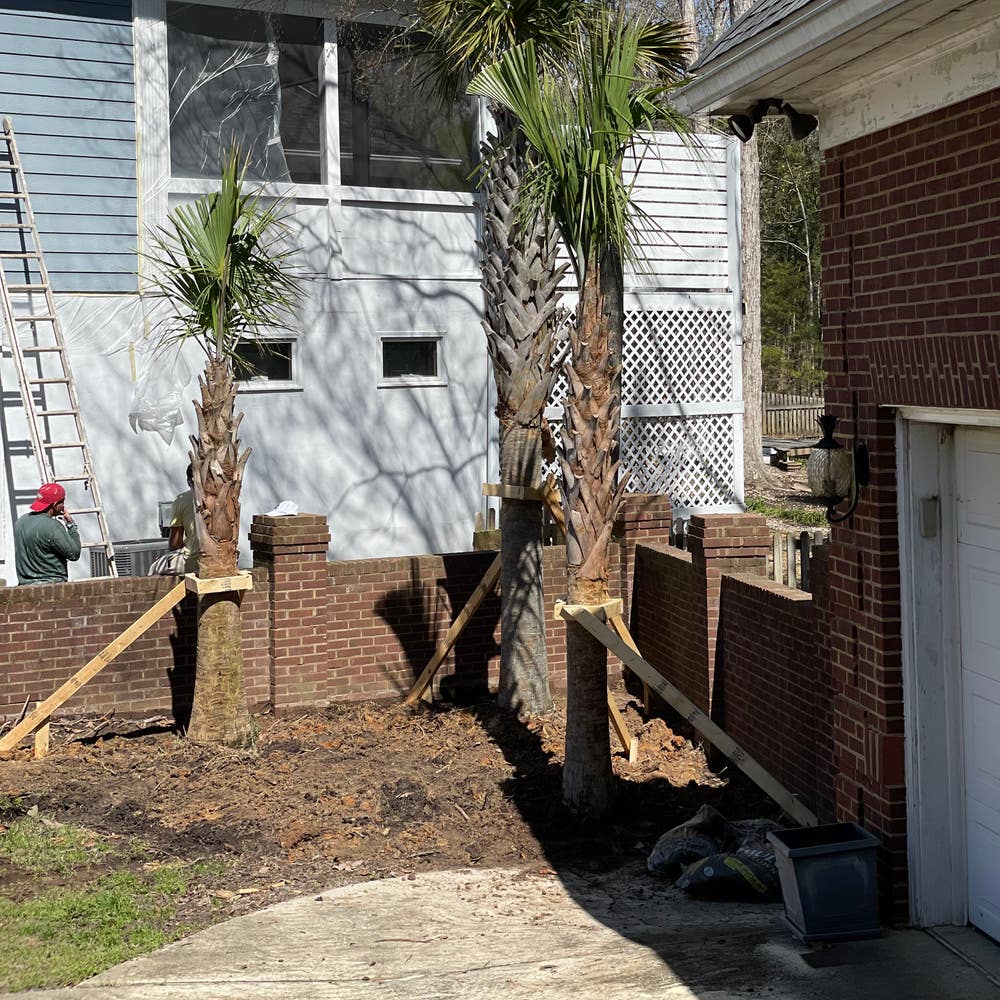
Best Practices for Repotting Palmetto 🪴
Sabal palmetto
By the Greg Editorial Team
Oct 15, 2024•6 min read
This article was created with the help of AI so we can cover more plants for you. May contain errors. See one? Report it here.
Unlock your palmetto's full potential by mastering the signs and steps for successful repotting! 🌱
- 🌱 Root bound signs include roots out of drainage holes; repot when noticed.
- 🏺 Choose a pot 1-2 inches larger for healthy growth without overwhelming roots.
- 💧 Water thoroughly after repotting to settle soil and ensure root contact.
Signs That Indicate It's Time to Repot
🌱 Root Bound Indicators
Recognizing when your palmetto needs repotting is crucial for its health. One clear sign is roots growing out of the drainage holes; this indicates they’ve run out of space.
Another indicator is roots circling the pot's interior. If you notice this, it’s a sign that your plant is root-bound and struggling for nutrients.
Lastly, stunted growth despite adequate care is a major red flag. If your palmetto isn’t thriving, it might be time for a new home.
🪴 Soil Condition
The condition of the soil is just as important. If it feels compacted and hard, it’s likely restricting root growth and water absorption.
Poor drainage leading to water pooling is another sign. This can suffocate roots and lead to root rot, making repotting essential.
🌿 Plant Health
Keep an eye on your plant's overall health. Yellowing leaves or wilting can indicate stress, often due to inadequate space or nutrients.
Additionally, reduced leaf size or growth rate can signal that your palmetto is outgrowing its pot. If you notice these symptoms, it’s time to consider repotting.
By being vigilant about these signs, you can ensure your palmetto continues to thrive. Next, let’s explore how to assess root health before diving into the repotting process.
How to Assess Root Health Before Repotting
Checking the Root System 🌱
Before repotting your palmetto, it's crucial to assess the root health. Start by gently removing the plant from its pot, taking care not to damage the leaves.
Inspect the root ball closely. Look for healthy, white roots, which indicate vitality. Conversely, brown or mushy roots signal rot and require immediate attention.
Root Pruning Techniques ✂️
If you find damaged roots, it's time for some pruning. Use sterilized scissors to trim away any unhealthy sections.
Be cautious not to overdo it; excessive pruning can shock the plant. Aim for a balanced approach to ensure your palmetto thrives after repotting.
With the roots assessed and pruned, you're ready to move on to the next steps in the repotting process.
Step-by-Step Guide to Repotting
Repotting your palmetto can seem daunting, but with the right approach, it can be a rewarding experience. Follow these steps to ensure your plant thrives in its new home.
1. Choose the Right Time ⏰
Timing is crucial. Early spring or late summer are ideal for repotting, as your plant is more likely to recover quickly during these growth periods.
2. Select an Appropriate Pot Size 🪴
Opt for a pot that is 1-2 inches larger in diameter than the current one. This allows room for growth without overwhelming the roots.
3. Prepare the New Pot 🧱
Before placing your plant in its new pot, make sure it has adequate drainage holes. Adding a layer of gravel or small stones at the bottom can enhance drainage and prevent water pooling.
4. Remove the Plant from Its Current Pot 🚪
Gently loosen the root ball to avoid damaging the roots. Be careful not to pull on the leaves, as this can cause unnecessary stress to the plant.
5. Place the Plant in the New Pot 🌱
Position your palmetto at the same depth it was in the old pot. Fill in with fresh potting soil, ensuring there are no air pockets that could hinder root growth.
6. Water Thoroughly 💧
After repotting, give your plant a good drink. Watering thoroughly helps settle the soil and ensures the roots make good contact with the new potting mix.
By following these steps, you set your palmetto up for success in its new environment. Next, let’s explore the best pot materials to use for optimal growth.
Pot Material Options
Choosing the right pot material is crucial for your palmetto's health. Each option has its unique advantages and drawbacks.
🥇 Pros and Cons of Each Material
Ceramic
Ceramic pots are visually appealing and provide excellent insulation for roots. However, they can be heavy and may retain too much moisture, which isn't ideal for all plants.
Plastic
Plastic pots are lightweight and affordable, making them a popular choice. They offer good drainage options but are less breathable and can heat up quickly in direct sunlight.
Terracotta
Terracotta pots excel in drainage and are breathable, promoting healthy root growth. On the downside, they can dry out quickly and are more fragile than other materials.
Metal
Metal pots bring a modern aesthetic and are durable. However, they can heat up excessively in the sun and may rust over time, which can be detrimental to your plant.
🌱 Recommended Pot Materials for Optimal Growth
For the best results, opt for terracotta or breathable plastic pots. These materials strike a balance between drainage and moisture retention. Avoid non-breathable materials that can lead to root rot and other issues.
Understanding pot materials can significantly impact your palmetto's growth. Next, let’s explore how to care for your plant after repotting to ensure it thrives in its new home.
Post-Repotting Care
🌱 How to Acclimate After Repotting
After repotting, it's crucial to help your palmetto adjust. Start by placing it in a shaded area for a few days to reduce stress.
Gradually reintroduce it to its light conditions. This slow transition helps prevent shock and promotes healthy growth.
💧 Watering Schedule Post-Repotting
Watering is key in the first week after repotting. Begin with light watering to keep the soil slightly moist without over-saturating it.
As your plant acclimates, gradually increase the watering frequency. This approach allows the roots to establish themselves in their new environment.
🚨 Signs of Stress to Watch for After Repotting
Keep an eye out for signs of stress in your palmetto. Wilting or drooping leaves can indicate that your plant is struggling.
Additionally, yellowing or browning leaf tips may signal that something isn't quite right. Address these issues promptly to ensure your plant thrives.
Transitioning to the next section, understanding common mistakes in repotting can further enhance your plant care journey.
Common Mistakes in Repotting
🌱 Overpotting vs. Underpotting
Choosing the right pot size is crucial. Overpotting, or using a pot that's too large, can lead to excess moisture retention, which may cause root rot.
On the flip side, underpotting restricts root growth. A pot that's too small can stunt your palmetto's development, leading to poor health.
❌ Mistakes to Avoid During the Repotting Process
One common mistake is neglecting to check root health before repotting. Healthy roots are essential for a successful transition.
Using inappropriate soil or pot materials can also hinder growth. Always opt for well-draining soil and suitable pot materials to ensure your plant thrives.
🛠️ How to Prevent Root Damage While Repotting
Handle the root ball gently during the process. Rough handling can damage delicate roots, impacting your plant's recovery.
Minimize root disturbance as much as possible. The less you disrupt the root system, the better your palmetto will adapt to its new home.
By avoiding these common pitfalls, you can set your palmetto up for success. Next, let's explore how to care for your plant after repotting to ensure it flourishes in its new environment.
⚠️ Safety First
This content is for general information and may contain errors, omissions, or outdated details. It is not medical, veterinary advice, or an endorsement of therapeutic claims.
Always consult a qualified healthcare professional before using any plant as food, medicine, or supplement.
Never eat any plant (or feed one to pets) without confirming its identity with at least two trusted sources.
If you suspect poisoning, call Poison Control (800) 222-1222, the Pet Poison Helpline (800) 213-6680, or your local emergency service immediately.
Spotted an error? Please report it here.
Repotting your palmetto is a breeze with the right knowledge, and with Greg's tailored tips and reminders, you'll ensure your plant enjoys a thriving new home 🌿!