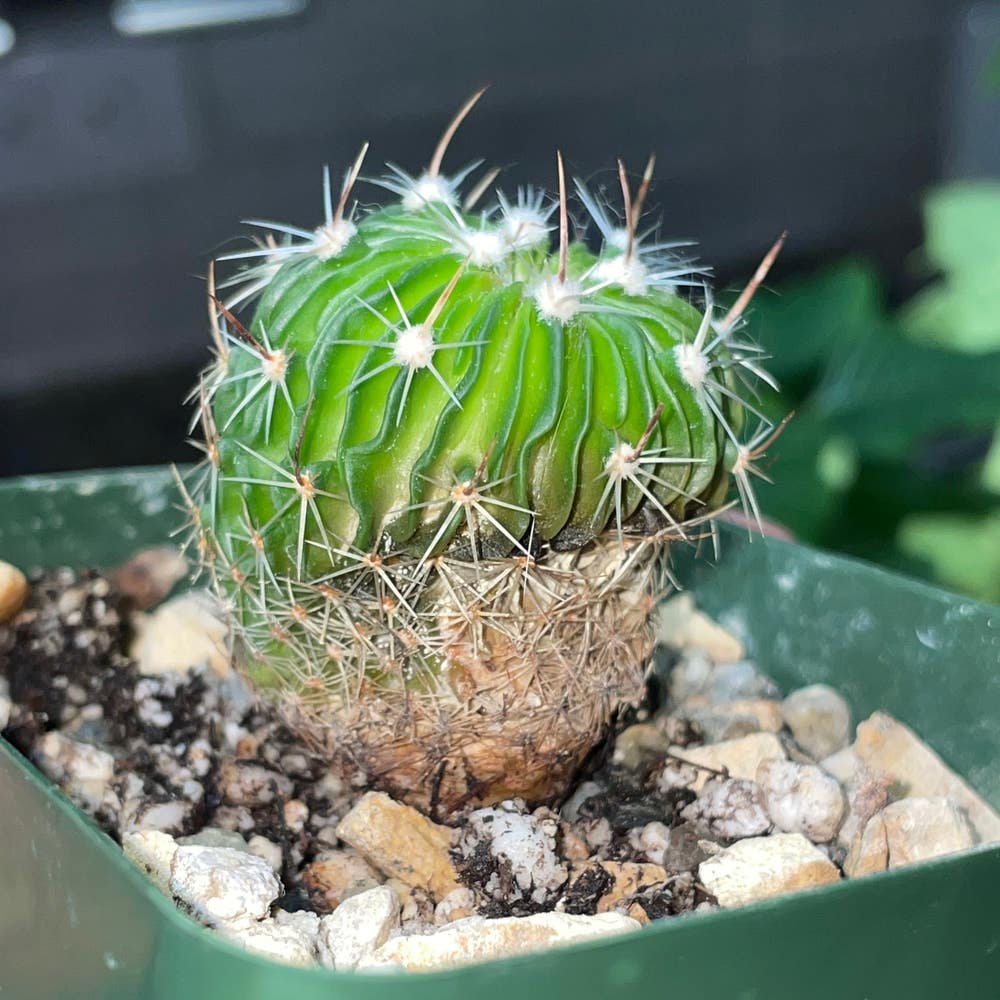
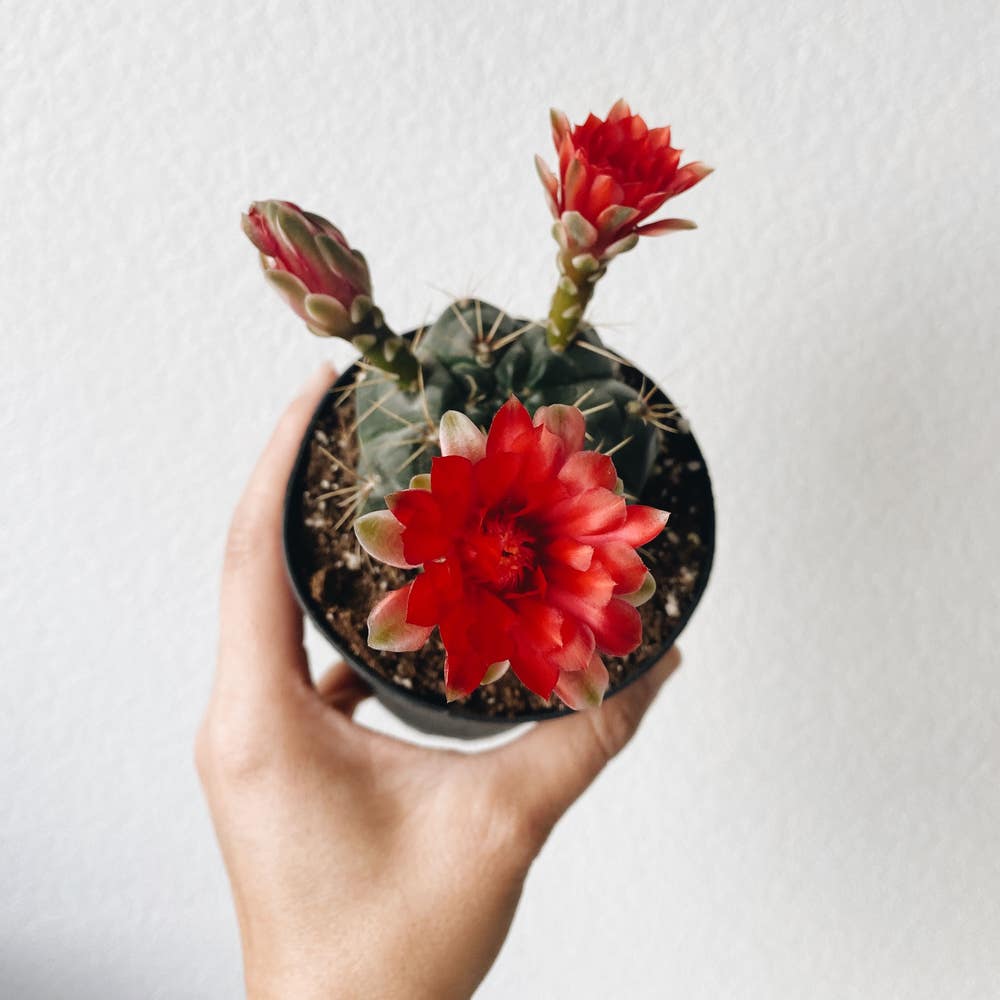
🌵 Why Are My Miniature Barrel Cactus Leaves Turning Yellow?
Thelocactus setispinus
By the Greg Editorial Team
Jun 18, 2024•4 min read
This article was created with the help of AI so we can cover more plants for you. May contain errors. See one? Report it here.
Solve the mystery of your cactus's yellow leaves 🌵 and bring back its lush green glow with expert tips!
- Over/underwatering causes yellowing: Wait for dry soil before watering.
- Sunburn leads to discoloration: Provide indirect light and afternoon shade.
- Pests and nutrients matter: Regular checks and balanced fertilizers keep cactus healthy.
When Yellow Means Caution: Watering Woes
💧 Spotting Overwatering Symptoms
Yellowing leaves on your Miniature Barrel Cactus might scream overwatering. This is plant distress—leaves feeling like a limp handshake and soil that's too damp. Root rot could be the silent assassin here, turning roots from firm and white to a brown, mushy mess.
🏜️ The Thirsty Cactus: Underwatering Signs
Conversely, yellow leaves can also signal a thirsty cactus. If the soil is as dry as a stand-up comedian's wit, your cactus is begging for a drink. Leaves may become as brittle as stale bread, indicating a serious need for water.
🚰 Fine-Tuning Your Watering Routine
To hit the watering sweet spot, wait for the soil to completely dry out before watering again. Use your finger or a moisture meter to check; the top inch should be as dry as a desert. When you water, think of it as a refreshing sip, not a flood—moderation is key. Regular checks and consistent watering will keep your cactus from turning into a yellow caution sign.

Too Much Sun Can Cause a Tan: Sunburn and Light Exposure
🌵 Recognizing Sunburn on Your Cactus
Discoloration and dry, brittle patches are the hallmarks of a sunburned cactus. If your Miniature Barrel Cactus is starting to sport white or brown spots, especially on the sides most exposed to the sun, it's time to reassess its sunbathing habits. These spots are not a sign of a healthy tan but a clear SOS for shade.
🌞 Finding the Sweet Spot for Sunlight
Adjusting your cactus's light exposure is crucial to prevent further yellowing from sunburn. Relocate your cactus to a spot with indirect, yet bright, light to mimic the dappled sunlight of its natural habitat. Consider providing some afternoon shade during the hottest part of the day to protect it from intense rays. Remember, a cactus that's turning yellow is like a traffic light on the sun's highway—it's telling you to slow down and find that sweet spot. Rotate your plant occasionally to ensure even light distribution and prevent one side from getting too toasty.

Uninvited Guests: Tackling Pest Problems
🐛 Common Culprits Behind Yellow Leaves
Yellowing leaves on your Miniature Barrel Cactus can be a red flag for pest infestation. Mealybugs, spider mites, and scale insects are the usual suspects. These pests suck the sap from your cactus, draining its vitality and leaving a telltale yellow tinge.
🌿 Natural and Chemical Pest Control Tactics
Combat these invaders with a one-two punch of prevention and treatment. For a start, introduce beneficial insects like ladybugs, which feed on the bad guys. If the problem persists, it's time for insecticidal soap or neem oil, which act like pest bouncers at a club, showing the troublemakers the exit.
In severe cases, you may need to resort to chemical pesticides. Use these with caution, as they're the big guns in your arsenal. Always follow the instructions to the letter, because while they're effective, they're also potent and can affect more than just the pests.
Regular plant check-ups are your best defense. Catching pests early means you can avoid the nuclear option and keep your cactus in tip-top shape.

When to Call for Backup: Disease and Nutrient Deficiencies
🍄 Spotting Diseases That Cause Yellowing
Yellow leaves on your Miniature Barrel Cactus might be shouting for help. Fungal diseases love to crash the party, causing lesions that can turn your cactus into a sad, yellow mess. Wet conditions are often to blame, so if your cactus is living in the shade during a rainy spring, it's time to move it to a sunnier spot. Remember, no soil should be piled up around the base—these cacti don't like to be buried in their own homes.
🥦 Checking for Nutrient Imbalances
Nutrient deficiencies can make your cactus look like it's been on a diet of junk food—pale and unwell. Yellowing new growth could be crying out for iron, while yellow patches between veins might mean a magnesium intervention is needed. If the older leaves are turning yellow, your cactus might be missing sulfur. And nitrogen? It's like the caffeine your cactus needs to stay perky. A soil test can be a real eye-opener, revealing what's missing from your cactus's diet.
🌱 The Right Soil and Fertilizer Fix
Getting the soil and fertilizer mix right is like being a master chef for your cactus. Use a balanced NPK fertilizer—it's like a well-rounded meal for your spiky friend. But don't overdo it; too much is like overstuffing your cactus, and it'll definitely show its displeasure. If you've been slacking on the fertilizer front, it's time to step up. And consider swapping out tap water for filtered or rainwater to avoid unwanted salt buildup. It's the difference between a refreshing drink and a gulp of seawater.
⚠️ Safety First
This content is for general information and may contain errors, omissions, or outdated details. It is not medical, veterinary advice, or an endorsement of therapeutic claims.
Always consult a qualified healthcare professional before using any plant as food, medicine, or supplement.
Never eat any plant (or feed one to pets) without confirming its identity with at least two trusted sources.
If you suspect poisoning, call Poison Control (800) 222-1222, the Pet Poison Helpline (800) 213-6680, or your local emergency service immediately.
Spotted an error? Please report it here.
Banish the yellow and restore the green 🌵 in your Miniature Barrel Cactus with Greg's spot-on watering reminders and sun exposure advice!