🌵 Why Is My Miniature Barrel Cactus Dropping Leaves?
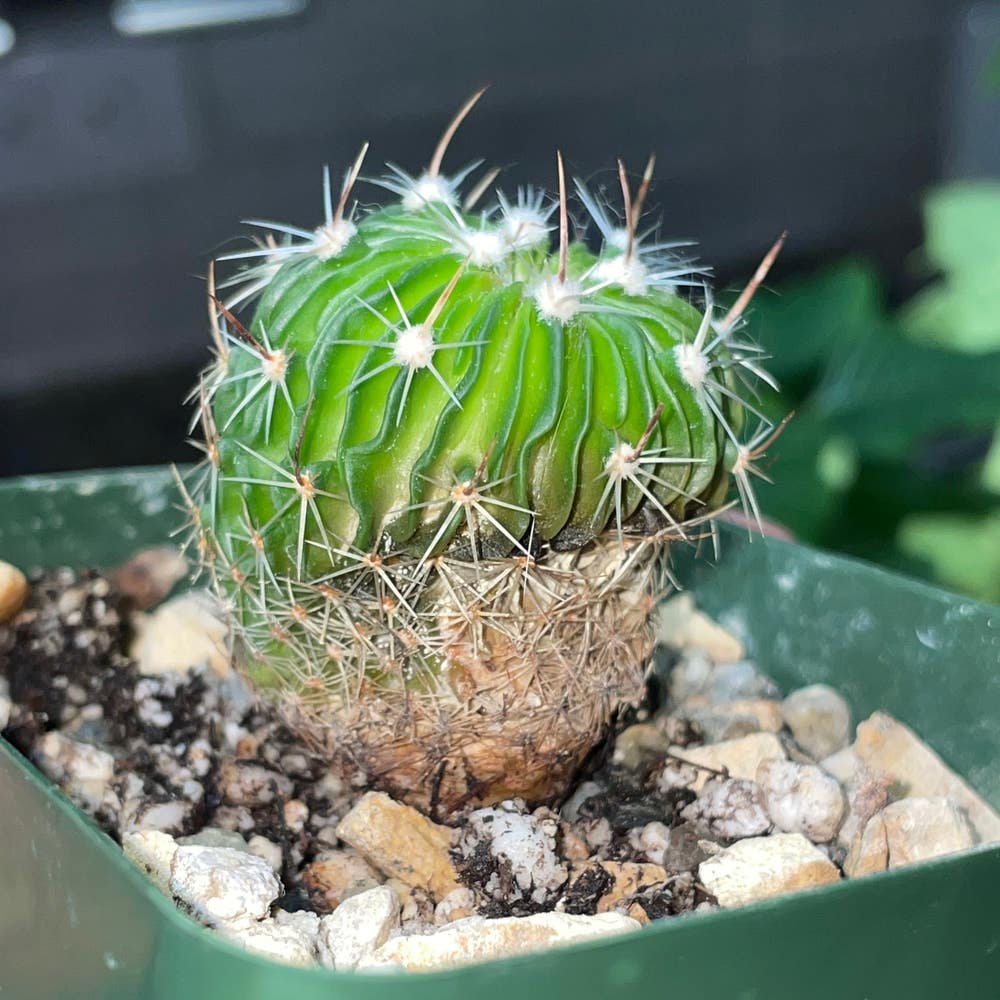
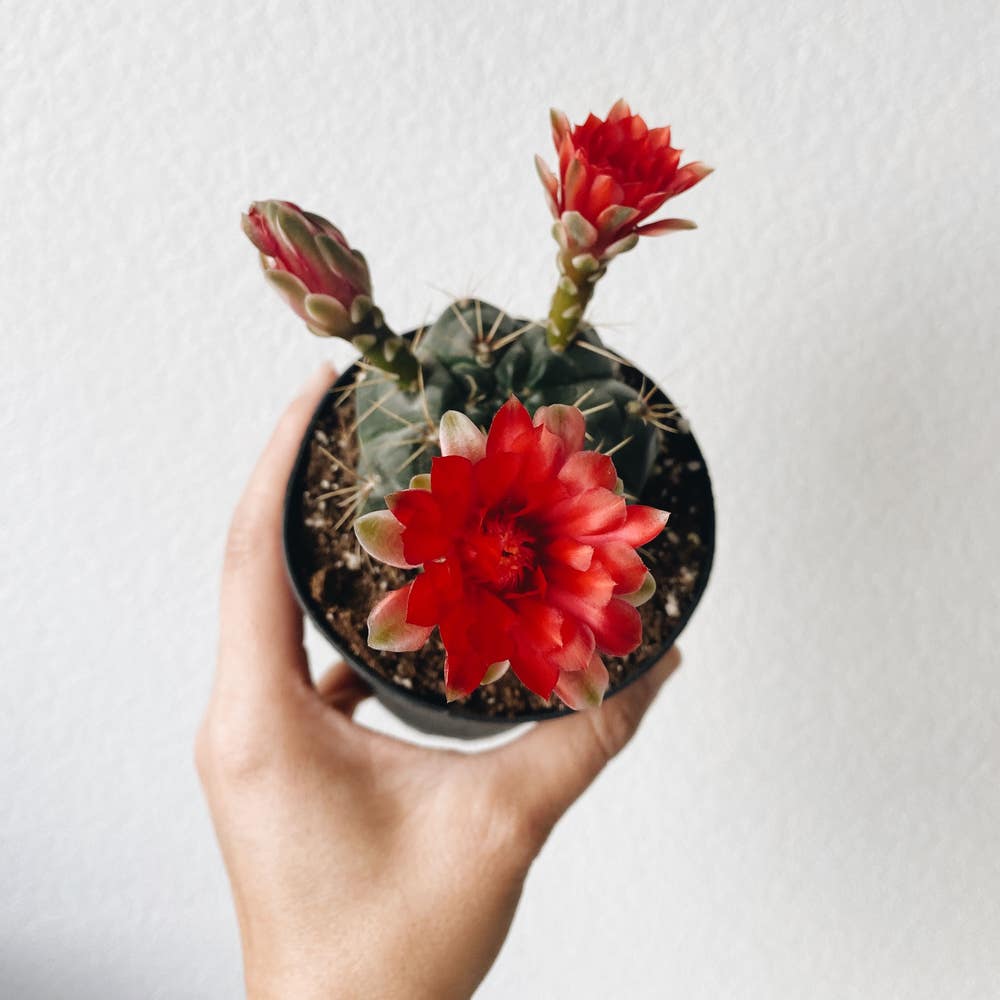
Thelocactus setispinus
By the Greg Editorial Team
Jun 18, 2024•4 min read
This article was created with the help of AI so we can cover more plants for you. May contain errors. See one? Report it here.
Prevent your Miniature Barrel Cactus from shedding tears (and leaves) with these essential care tips! 🌵💧
- Thirsty cactus? Look for dry soil and wrinkled leaves.
- Overwatering causes leaf loss. Adjust watering after soil dries.
- Stable temps and pest checks keep your cactus healthy.
When Thirst Turns to Drought: Underwatering Woes
🌵 Spotting the Signs of Thirst
Dry, crumbly soil and leaves that are crispier than a fresh dollar bill are your cactus's way of waving a white flag. If your plant's skin looks more wrinkled than a well-traveled suitcase, it's time to take action. A cactus impersonating a raisin is a cactus in distress.
🚰 Balancing Water Intake for Your Cactus
Watering your cactus should be like a good thriller – unpredictable yet satisfying. Allow the top inch of soil to dry out completely before you even think about giving it another drink. This isn't a one-size-fits-all situation; your cactus's thirst levels will vary with the seasons. In winter, it's more of a casual sipper, while summer might see it guzzling down water like there's no tomorrow. Keep an eye out for signs of dehydration and adjust your watering schedule accordingly – it's about finding that sweet spot.

Drowning in Excess: The Overwatering Ordeal
💧 How Overwatering Leads to Leaf Loss
Overwatering your Miniature Barrel Cactus is like giving it an endless bath—it just can't breathe. Roots suffocate when they're waterlogged, leading to a weakened plant that drops leaves like hot potatoes. Yellowing, a classic SOS signal, often precedes the leaf drop. Ignore these cries for help, and you'll witness a tragic transition from lush green to mushy brown as roots rot away.
Fine-Tuning Your Watering Schedule
Getting your cactus's watering schedule right is less about sticking to a calendar and more about observing your plant. Before you water, do the finger test—poke the soil. If it's damp, hold off on the H2O. Your cactus is a desert dweller at heart; it prefers a drink only when the soil is bone dry. Adjust your routine with the seasons—more water during the scorching summer months, less when it's cooler. And always ensure your pot has a drainage hole to let excess water escape. It's a simple step, but it's the difference between a thriving cactus and a waterlogged one.

Soil and Drainage: The Foundation of Health
💧 Choosing the Right Soil Mix
Soil composition is the unsung hero in your cactus's life story. Your miniature barrel cactus craves a soil mix that's the botanical equivalent of a breathable cotton tee—light and airy. Aim for a mix that's part aerobics class, part zen garden; it should be nimble yet calm enough to retain the right amount of moisture. A blend of succulent soil, perlite, and coarse sand usually hits the mark. If you're feeling fancy, throw in some pumice or Turface to elevate that drainage game.
🚰 Ensuring Proper Drainage to Avoid Waterlogged Roots
Drainage isn't just a nice-to-have; it's your cactus's lifeline. Think of it as the plant's personal sump pump, whisking away excess water to prevent the dreaded root rot. Check those drainage holes like you're diagnosing a patient—clear and functional is what we're going for. If your pot's as watertight as a submarine, it's time for an upgrade. And remember, adding sand to clay soil is a no-go unless you're into pottery. Stick to a well-draining, nutrient-rich mix and watch your cactus thank you by not dropping dead—literally.

Battling the Extremes: Temperature and Pest Troubles
🌡️ Protecting Your Cactus from Temperature Stress
Temperature swings are the kryptonite of Miniature Barrel Cacti. To keep your spiky friend from throwing a fit, maintain a stable environment. Drafts and direct sunlight are out; consistent temps and indirect light are in.
🛡️ Insulation and Shade: Your Cactus's Best Friends
Wrap your cactus's pot with insulating materials when the temperature drops. During heatwaves, shade is your ally. A sheer curtain or a strategically placed shade cloth can prevent a sunburned disaster.
🌡️ Optimal Temperature Range for Growth
Your cactus craves comfort. Keep the mercury between 50°F (10°C) and 100°F (38°C). Anything more or less, and you're asking for trouble. Adjust your cactus's position with the seasons to avoid temperature-induced tantrums.
💡 Identifying and Dealing with Pests
Pests are the party crashers of the cactus world. They show up uninvited and wreak havoc. Keep an eye out for unwelcome guests like spider mites or mealybugs, and show them the door with a swift pesticide treatment.
🛡️ Proactive Plant Parenting
Vigilance is key. Regularly inspect your cactus for signs of infestation. If you spot trouble, isolate your plant to stop the spread and consult with a cactus-savvy expert for the best treatment options.
🛡️ Practical Tips for Stability
Monitor temperatures like a hawk, especially during seasonal shifts. Keep your cactus away from windows in winter and provide shade in summer. Water wisely—thirst increases with temperature, so adjust your watering schedule to match the heat level.
⚠️ Safety First
This content is for general information and may contain errors, omissions, or outdated details. It is not medical, veterinary advice, or an endorsement of therapeutic claims.
Always consult a qualified healthcare professional before using any plant as food, medicine, or supplement.
Never eat any plant (or feed one to pets) without confirming its identity with at least two trusted sources.
If you suspect poisoning, call Poison Control (800) 222-1222, the Pet Poison Helpline (800) 213-6680, or your local emergency service immediately.
Spotted an error? Please report it here.
Ensure your miniature barrel cactus never drops another leaf by letting Greg adapt 🌵 your watering schedule to the unique thirst signals of your spiky friend.