Why Are My Miniature Barrel Cactus Leaves Falling Over?
Thelocactus setispinus
By the Greg Editorial Team
Jun 18, 2024•4 min read
This article was created with the help of AI so we can cover more plants for you. May contain errors. See one? Report it here.
Revive your slumping Miniature Barrel Cactus with these essential care tips! 🌵🆘
- Over/underwatering? Check for yellow/translucent or deflated/wrinkled skin.
- Poor drainage and light lead to soft spots and leaning.
- Balance water, soil, and light for a healthy, upright cactus.
Spot the Signs: Is Your Miniature Barrel Cactus Unhappy?
🚨 Symptoms of Distress
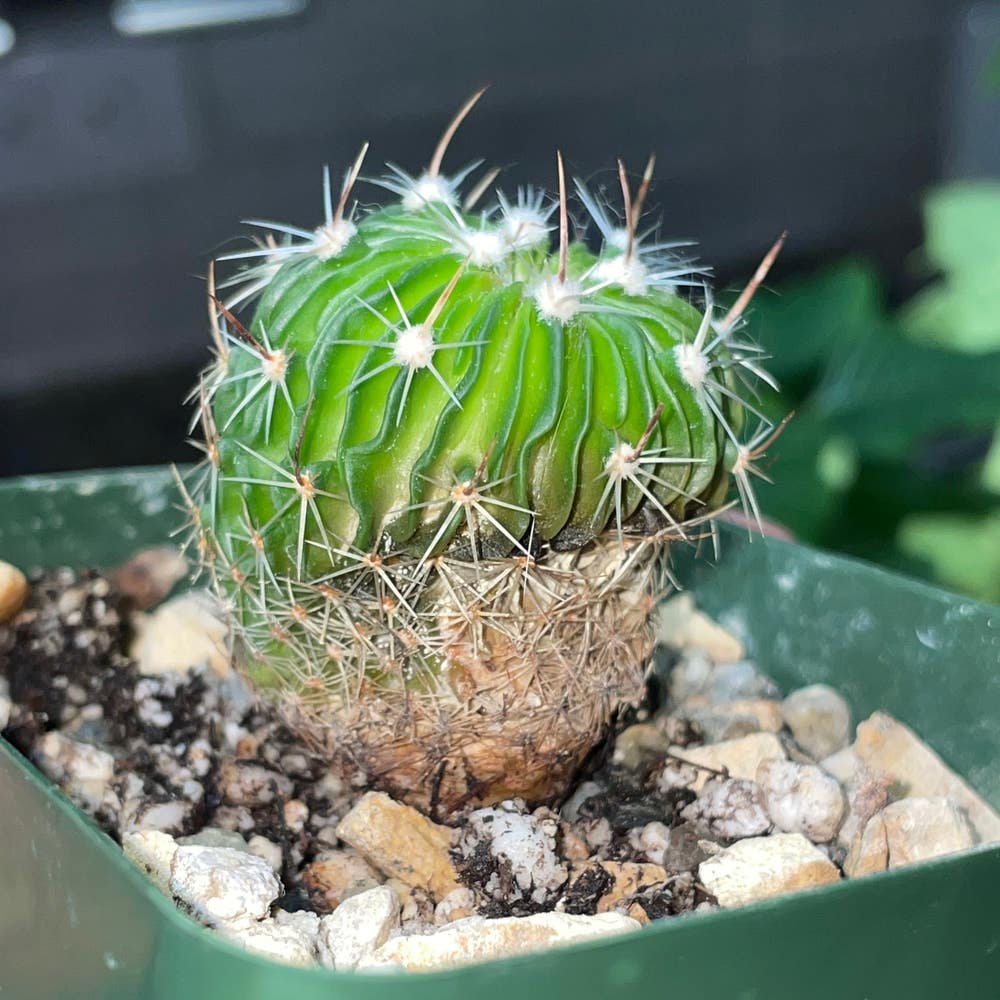
Identifying signs of distress in your Miniature Barrel Cactus is key to its survival. Overwatering can leave your cactus with yellowing or translucent skin, while underwatering results in a deflated appearance and wrinkled skin. Poor drainage may manifest as soft spots on the stem, and insufficient sunlight can cause your cactus to lean dramatically or display discoloration.
🕵️ Quick Checks
Performing a quick health check on your cactus is straightforward. For overwatering, check for a musty smell or a squishy base, indicating possible root rot. Underwatering is simpler to spot; the soil will be bone-dry, and the plant will feel parched. Assess the drainage by observing how quickly water runs through the pot, and evaluate sunlight exposure by noting the cactus's color and growth direction.

Getting to the Root: Common Culprits for Droopy Leaves
💧 Overwatering vs. Underwatering
Overwatering turns your cactus's roots into a mushy mess. Leaves may yellow or brown and feel as soft as overripe fruit. If the base is squishy, you've been too generous with the H2O. Conversely, underwatering leaves your cactus as deflated as a day-old party balloon. Expect dry, shriveled leaves and soil that crumbles at a touch.
🚰 Drainage Dilemmas
Poor drainage is a silent killer. Your cactus's pot should have drainage holes that don't hold water like a sealed jar. Without them, you're setting the stage for root rot. If your pot's more sealed than a vault, it's time to upgrade or grab a drill.
🌞 Sunlight Shortages
Cacti need sunlight to stand tall. Without enough light, they start to slump. Ensure your cactus gets bright, indirect sunlight. Too little light, and it's like trying to tan under a streetlamp—not going to happen.

Turn Things Around: Rescue and Recovery Tactics
💧 Watering Wisdom
Watering is a balancing act. Your cactus's life literally hangs in the balance. Too much, and you're drowning it in love. Too little, and you're a neglectful plant parent. Start by letting the soil dry out completely between waterings. Then, when you do water, make it a thorough soak. Imagine you're giving your cactus a shot of hydration, not a long drink. Keep the seasons in mind—less in winter, a tad more in summer.
🌱 Soil and Pot Perfection
Soil is your cactus's bed, and it's not looking for a waterbed. Choose a mix that drains faster than a sink in a spy movie. The pot? It needs drainage holes like a colander. If your cactus is living in a pot without them, it's basically in quicksand. Upgrade to a pot that lets the soil breathe and the water escape, and you'll have a happier cactus.
🌞 Light the Way
Sunlight is the gym for your cactus. Without it, your plant's going to get flabby and fall over. Aim for bright, indirect light. Think of it as a sunny spot shielded by a sheer curtain. Rotate your plant regularly to avoid lopsided growth. If your cactus is stretching out like it's trying to escape, it's telling you it needs more light. Listen to it, and adjust accordingly.

Keep It Standing: Proactive Prevention Strategies
📅 Consistent Care Schedule
Consistency is the backbone of cactus care. Establish a routine that includes regular watering when the soil is completely dry, not before. Rotate your cactus periodically to ensure even exposure to light, promoting balanced growth.
🌞 The Right Environment
Creating the right environment is non-negotiable. Bright, indirect sunlight keeps your cactus happy without the risk of sunburn. Maintain a stable temperature, avoiding extremes that could stress your plant. Ensure your cactus is in a well-draining soil mix, and never let it sit in water. Regularly inspect for pests, and isolate new plants to prevent the spread of infestations.
⚠️ Safety First
This content is for general information and may contain errors, omissions, or outdated details. It is not medical, veterinary advice, or an endorsement of therapeutic claims.
Always consult a qualified healthcare professional before using any plant as food, medicine, or supplement.
Never eat any plant (or feed one to pets) without confirming its identity with at least two trusted sources.
If you suspect poisoning, call Poison Control (800) 222-1222, the Pet Poison Helpline (800) 213-6680, or your local emergency service immediately.
Spotted an error? Please report it here.
Prevent your Miniature Barrel Cactus from toppling by letting Greg orchestrate 🎼 the perfect watering rhythm and sunbathing spots for your desert buddy.