🌵 How Can You Tell If A Miniature Barrel Cactus Is Dying?
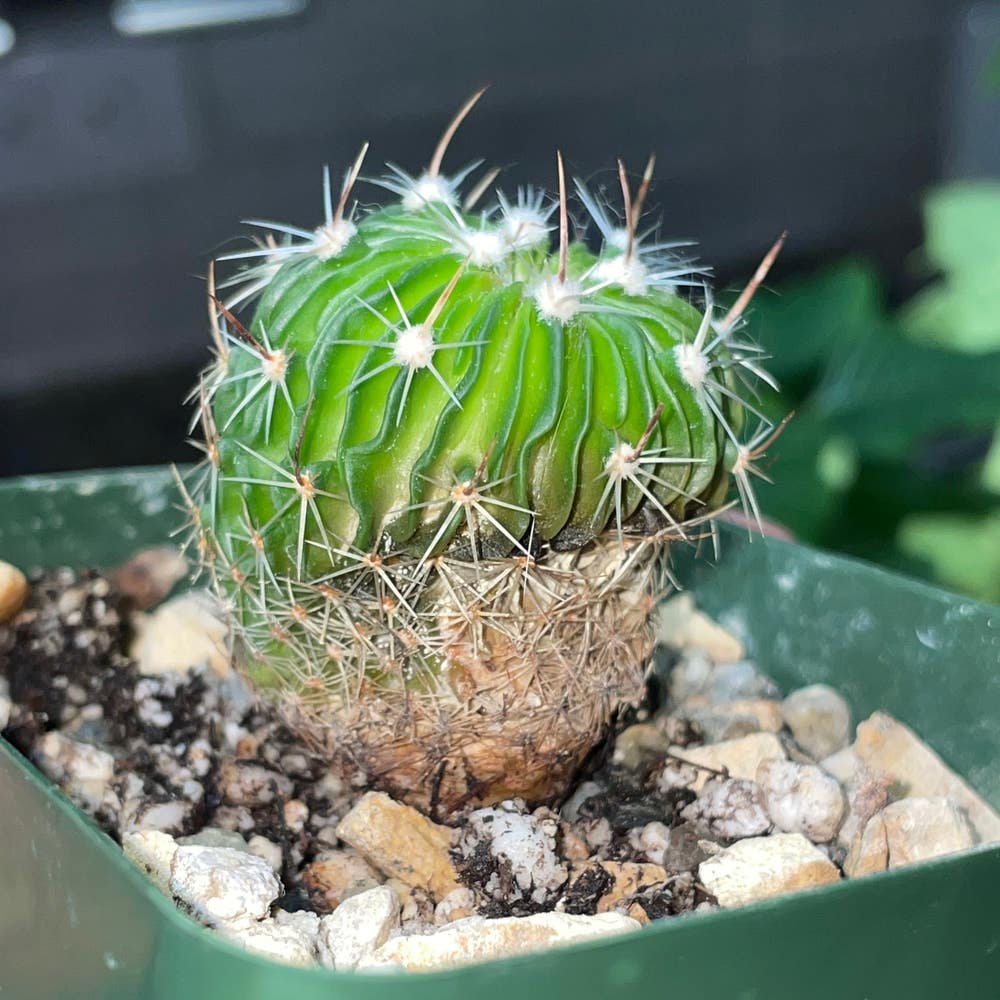
Thelocactus setispinus
By the Greg Editorial Team
Jun 18, 2024•4 min read
This article was created with the help of AI so we can cover more plants for you. May contain errors. See one? Report it here.
Spot a dying Miniature Barrel Cactus 🌵 and bring it back to life with these crucial care tips!
- Wrinkles and soft spots signal watering issues; adjust your routine.
- Sunburn or starvation? Too much or too little light affects health.
- Pests and diseases like mealybugs and mold threaten cacti; inspect and treat regularly.
Spotting Trouble: Key Symptoms of Distress
🚱 Inconsistent Watering
Wrinkles on your Miniature Barrel Cactus aren't a sign of wisdom; they're a distress call. If the vibrant green fades to a dull hue, it's time to scrutinize your watering habits.
🌞 Light and Temperature Issues
Too much sun can lead to a sunburnt cactus, while too little leaves it starved for light. Temperature swings? They're as unwelcome as ice in your coffee, causing your cactus stress it doesn't need.
🚰 Water Woes: Over and Under-Watering
Soft spots are the cactus equivalent of a bruise, often a result of overwatering. Shriveling, on the other hand, is the plant's way of crying out for a drink.
🐜 Unwelcome Guests: Pests
Mealybugs, scale insects, and spider mites are the freeloaders you didn't invite. They turn your cactus into a buffet, leaving behind a mess of damage and disease.

Taking Action: Solutions for a Healthy Cactus
💧 Balancing the Watering Act
Watering your miniature barrel cactus is more art than science. To keep it healthy, water when the top inch of soil is dry. In winter, reduce watering frequency as the cactus enters a dormant phase. Overwatering is a common error, so ensure the pot has good drainage to avoid soggy soil.
🌞 Creating the Ideal Sunbath and Climate
Your cactus craves bright, indirect sunlight. Too much direct sun can cause sunburn, while too little can lead to etiolation, where the cactus stretches out abnormally. Aim for a spot that mimics the natural light of a desert—bright yet filtered. As for temperature, keep it warm but not hot, and protect your cactus from drafts and extreme temperature changes.
🐜 Pest Control: Saving Your Cactus from Critters
Pests like mealybugs, scale insects, and spider mites can be a nightmare. Regularly inspect your cactus for these uninvited guests. If you spot any, isolate the affected plant and treat it with a suitable insecticide or neem oil. Preventive measures include maintaining good air circulation and avoiding overwatering, which can attract pests.

Special Cases: Dealing with Fungal Foes and Root Rot
🍄 Mold and Fungus Among Us
Mold and fungal infections are the sneaky villains in the story of your Miniature Barrel Cactus. Yellow halos or concentric rings on your cactus are not just a design feature; they're a distress signal. To combat these fungal foes, isolate the infected plant and consider a fungicide. But remember, it's a stopgap, not a cure-all.
🌱 The Dreaded Root Rot
Root rot is like the silent assassin of the cactus world, striking from below. Soft stems and a yellowish tinge are the tell-tale signs of this underground menace. If caught early, you can perform surgery on your cactus by removing the rotted parts and repotting in fresh, well-draining soil. Introducing beneficial microbes such as Trichoderma can also help in the fight against root rot, acting like the unsung heroes of the root system.

Revival Roadmap: Steps to Nurse Your Cactus Back to Health
In the quest to revive a distressed Miniature Barrel Cactus, precision and timeliness are your allies. Here's how to breathe life back into your spiky friend.
🌵 Immediate Assessment
First, assess the damage. Is your cactus shriveled, discolored, or showing signs of pests? Pinpointing the symptoms quickly can lead to a more effective treatment plan.
💧 Watering Woes: Finding Balance
Over-watering and under-watering are common missteps. If the soil is swampy, hold off on watering and consider better drainage. Conversely, if it's bone-dry, introduce a modest watering schedule.
🌞 Light and Temperature: The Sweet Spot
Your cactus craves sunlight, but not too much. Relocate it to a spot with bright, indirect light. Ensure the temperature is stable—extremes can push a cactus over the edge.
🐜 Pests: Immediate Intervention
Spot any critters? Apply neem oil or a suitable pesticide stat. Pests can escalate issues rapidly, so swift action is crucial.
🌱 Repotting: A Fresh Start
If root rot or soil issues are to blame, it's repotting time. Choose a clean pot and well-draining soil. This is like hitting the reset button for your cactus.
🛡️ Long-Term Care: Prevention
Once stabilized, prevention is your focus. Regular inspections and a consistent care routine will keep future crises at bay. Remember, a healthy cactus is a happy cactus.
👀 Monitoring: The Follow-Up
Keep a close eye on your cactus post-recovery. Any backsliding could indicate unresolved issues or the need for further adjustments in care.
By following these steps, your Miniature Barrel Cactus can go from surviving to thriving.
⚠️ Safety First
This content is for general information and may contain errors, omissions, or outdated details. It is not medical, veterinary advice, or an endorsement of therapeutic claims.
Always consult a qualified healthcare professional before using any plant as food, medicine, or supplement.
Never eat any plant (or feed one to pets) without confirming its identity with at least two trusted sources.
If you suspect poisoning, call Poison Control (800) 222-1222, the Pet Poison Helpline (800) 213-6680, or your local emergency service immediately.
Spotted an error? Please report it here.
Revive your distressed miniature barrel cactus by spotting 🕵️♂️ early signs of trouble and letting Greg guide you through the recovery steps!