🌵 Why Are My Miniature Barrel Cactus Leaves Droopy?
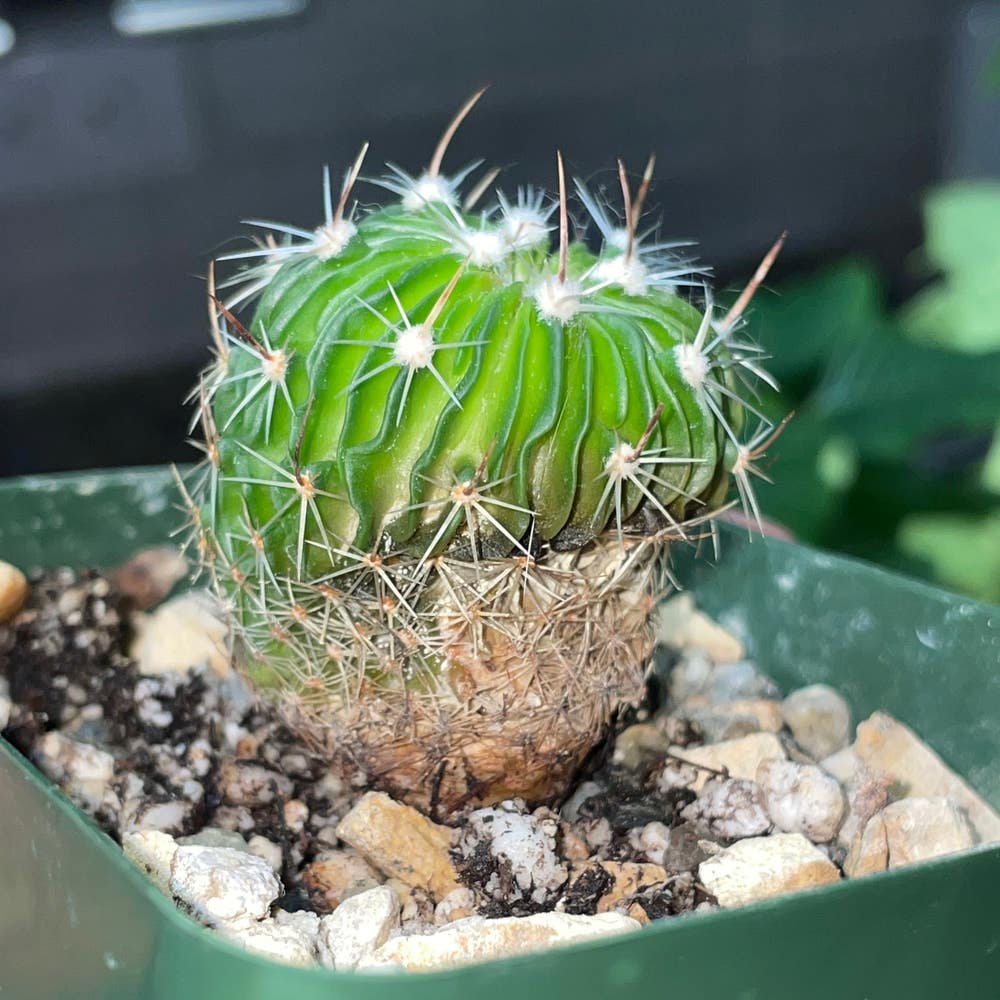
Thelocactus setispinus
By the Greg Editorial Team
Jun 18, 2024•4 min read
This article was created with the help of AI so we can cover more plants for you. May contain errors. See one? Report it here.
Nurse your wilting Miniature Barrel Cactus back to perkiness 🌵 by decoding its SOS signals and mastering care essentials.
- Droopy leaves signal distress; address with prompt care adjustments.
- 🌵 Under/overwatering and temperature affect cactus health; balance is key.
- Root health is crucial; ensure proper drainage and monitor for rot.
Spotting the Signs of Distress
🚨 Visual cues of droopiness
Droopy leaves on your Miniature Barrel Cactus are like red flags at a lifeguard station—urgent and unmissable. If your cactus is more slump than spunk, it's time to perk up your ears and eyes.
🚦 Early warning signs to watch for
Discoloration and a texture that's gone from firm to flimsy are the cactus equivalent of a raspy throat. Black spots or browning tips are your signal to get down to brass tacks. And don't overlook the undersides; pests are the ultimate freeloaders, loving a good hidden nook.
🕰 When to take action
When your cactus starts resembling a weary traveler rather than its usual perky self, it's go-time. If you catch a daily droop or a color that's as faded as last year's jeans, don't dawdle—reassess your care strategy stat.

Unraveling the Causes of Droopy Leaves
💧 The Thirst Trap: Underwatering Woes
Underwatering can leave your Miniature Barrel Cactus as parched as a desert. Leaves may appear shriveled and the soil bone-dry. If the pot feels suspiciously light, it's a clear sign your cactus is thirsting for more than the occasional sprinkle.
💦 Drowning in Excess: The Perils of Overwatering
Overwatering is just as deceptive. Yellowing leaves and a stem with the consistency of a wet noodle scream excess moisture. It's a balancing act; too much water and the roots suffocate, too little and they desiccate.
🌞 Feeling the Heat: Sunlight and Temperature Troubles
Your cactus craves sunlight, but too much direct exposure can cause sunburn. Aim for bright, indirect light. Temperature fluctuations are like a shock to the system; keep it steady to avoid stressing your spiky friend.
🚰 Root of the Problem: Identifying Root-Related Issues
Check the roots. If they're brown and mushy, root rot could be the culprit. Ensure proper drainage to prevent water from pooling at the bottom of the pot, which can be as detrimental as a clogged drain during a flood.

Bouncing Back: Remedies for Perky Leaves
💧 Fine-tuning your watering technique
Consistency is your cactus's best friend when it comes to watering. Establish a routine that lets the soil dry slightly between drinks. If the soil feels like a wrung-out sponge, hold off on the water; if it's as dry as a desert, it's time to hydrate. Remember, your plant's not a fish, so don't let it swim.
🌞 Creating the ideal sunbathing spot
Your cactus loves the sun but not a sunburn. Find a bright spot that offers indirect light, like the kind of shade you'd seek at a sunny picnic. Too much direct sunlight, and your cactus might start to look as crispy as overdone toast.
❄️ Chilling out: Temperature control tips
Keep the temperature steady, avoiding the highs and lows of a telenovela plot. Think comfortable room temperature, not a sauna or an icebox. If your cactus could wear a sweater, it would probably choose a light one.
🌱 Root revival tactics
After a watering mishap, give your cactus's roots some breathing room. Increase airflow and consider adding perlite or sand to the soil for better drainage. It's like giving your plant's roots a pair of comfy, breathable shoes instead of suffocating boots.

Keeping Your Cactus Happy and Upright
💧 Watering wisdom: Establishing a foolproof routine
Watering your cactus isn't rocket science, but it's not a free-for-all either. Timing is crucial. Water when the soil is dry, not on a fixed schedule. Think of it as a thirst meter, not a calendar event. Summer calls for more frequent watering; winter is more about restraint.
Terracotta or ceramic pots are your allies, thanks to their porous nature that prevents water from overstaying its welcome. And remember, the right soil mix—gritty, loose, and fast-draining—is non-negotiable.
🌞 Light and temperature: Setting up for success
Your cactus craves sunlight, but not the kind that'll give it a tan. Bright, indirect light is the sweet spot. Rotate the pot occasionally for even growth and to prevent your cactus from doing the Leaning Tower of Pisa impression.
Temperature-wise, think mild. Extreme heat or cold is a no-go. Create a comfy microclimate that doesn't swing from the Sahara to the Arctic. And humidity? Keep it on the down-low; your cactus isn't a fan of tropical getaways.
🌱 Root care rituals for long-term health
Roots are the cactus's lifeline, so give them the TLC they deserve. Repot every couple of years to prevent soil compaction and to say adios to old soil. This is like a spa day for your cactus's roots, letting them breathe and stretch.
Monitoring is key. If you spot signs of root rot—think mushy, brown roots—it's time for an intervention. Gently remove the affected parts, repot in fresh soil, and adjust your watering habits. It's a wake-up call to keep things in check for the future.
⚠️ Safety First
This content is for general information and may contain errors, omissions, or outdated details. It is not medical, veterinary advice, or an endorsement of therapeutic claims.
Always consult a qualified healthcare professional before using any plant as food, medicine, or supplement.
Never eat any plant (or feed one to pets) without confirming its identity with at least two trusted sources.
If you suspect poisoning, call Poison Control (800) 222-1222, the Pet Poison Helpline (800) 213-6680, or your local emergency service immediately.
Spotted an error? Please report it here.
Ensure your Miniature Barrel Cactus never droops again with Greg's customized 🌵 care reminders, tailored to keep your spiky companion perky and healthy!