🌵 What Do I Do About Miniature Barrel Cactus Root Rot?
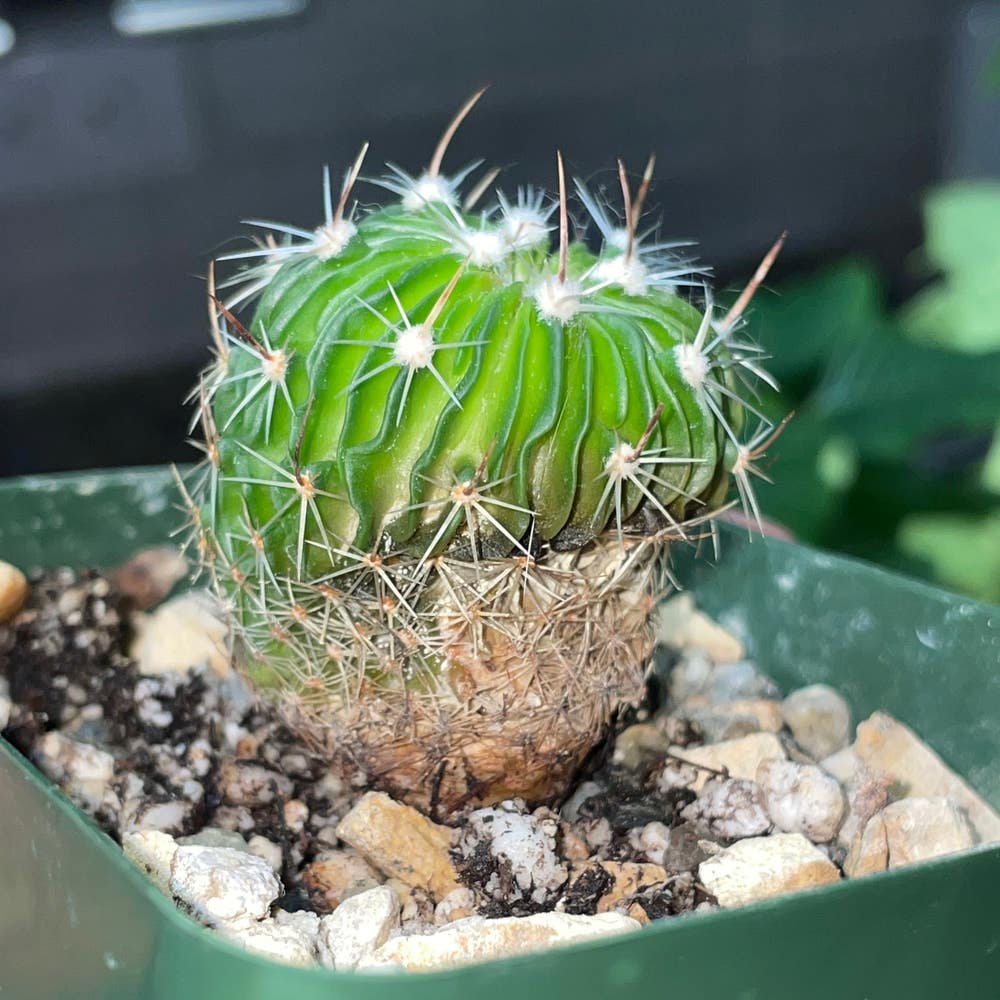
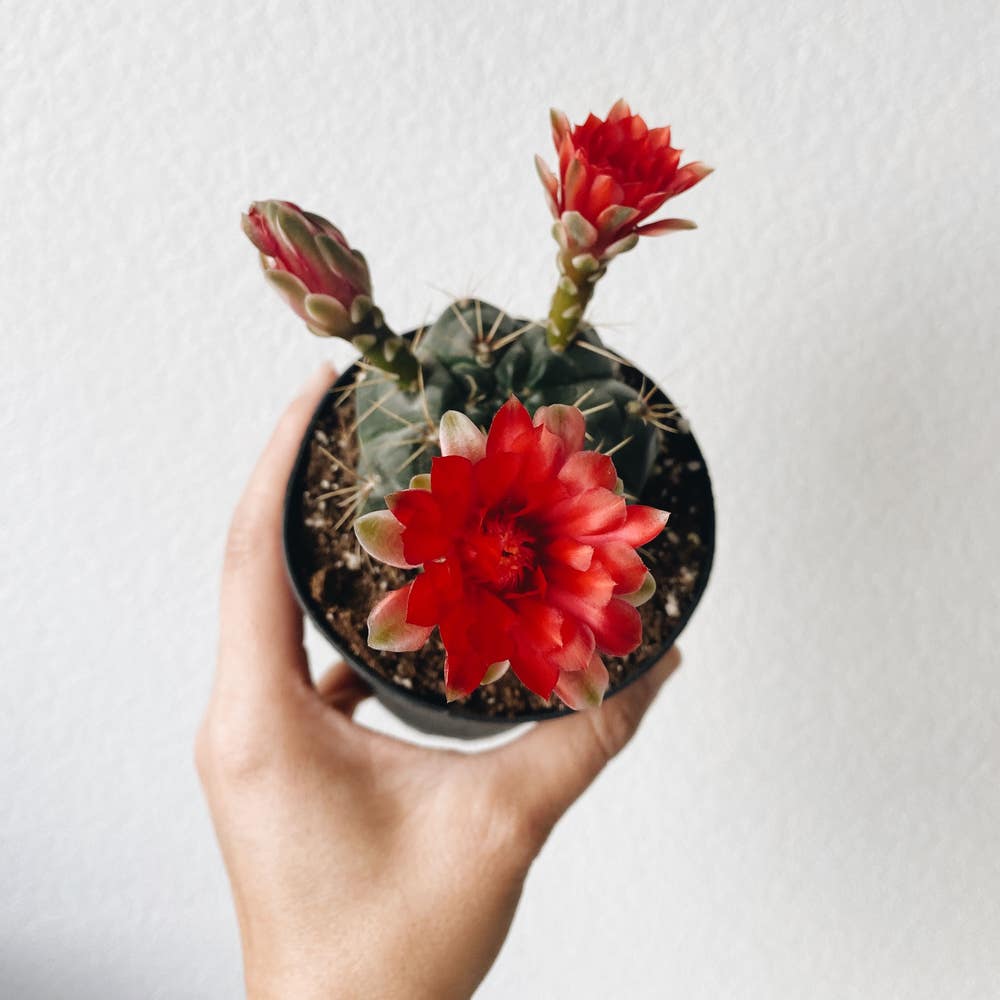
Thelocactus setispinus
By the Greg Editorial Team
Jun 18, 2024•3 min read
This article was created with the help of AI so we can cover more plants for you. May contain errors. See one? Report it here.
Rescue your cactus 🌵 from root rot's grip with these life-saving detection and care tips!
- 🌵 Yellowing leaves and wilting signal potential root rot.
- Surgical removal of rotted roots and careful repotting are key.
- Mimic desert conditions with well-draining soil and proper watering.
Spotting the Red Flags: Recognizing Root Rot in Your Cactus
🚩 Visual Symptoms to Watch For
Yellowing leaves on your miniature barrel cactus aren't a new interior design choice; they're a warning sign. If your cactus is wilting like it's had one too many under the desert sun, take note. This is your cactus's way of saying, "I'm not okay."
A foul odor or roots that feel like they've been left to soak in the sink too long are advanced distress signals. Dark, mushy roots are the equivalent of a plant's white flag; they indicate a serious case of root rot.
Beyond the Surface: What's Happening Underground
Root rot is a stealthy adversary, attacking the cactus's lifeline beneath the soil. It's not just a surface issue; it's a full-on root system assault. When the roots turn to mush, they're essentially waving goodbye to their ability to nourish the plant.
This underground chaos compromises the cactus's overall health. It's like the roots are throwing in the towel, unable to support the plant's need for nutrients and water. If you're seeing these symptoms, it's time for a root intervention.

Taking Action: How to Save Your Cactus from Root Rot
🚑 The Rescue Operation: Treating the Affected Plant
Inspect the roots immediately if you suspect root rot. Gently remove your cactus from its pot and shake off the soil to reveal the root condition. Healthy roots are firm and light-colored, while rot manifests as mushy and dark.
Surgical precision is key. Sterilize your cutting tools with alcohol to prevent spreading disease. Then, cut away all rotted roots until only healthy tissue remains. Treat the cuts with a copper-based fungicide, following label instructions to the letter.
💼 Post-Op Care: Soil and Water Management
Choose a well-draining soil mix for your cactus's recovery period. A combination of cactus mix with added perlite or coarse sand will ensure proper drainage and aeration.
Water with caution post-repotting. The soil should be moist, not soggy. Place your cactus in a spot with indirect sunlight and monitor the moisture level closely. Adjust your watering habits to the cactus's needs, erring on the side of under-watering to prevent a repeat rot scenario.

Building Defenses: Preventing Root Rot Before It Starts
💧 Water Wisdom: Balancing Moisture and Drought
Watering your miniature barrel cactus isn't a set-it-and-forget-it deal. It's a delicate dance between too much and not enough. Drainage holes are non-negotiable; they're your safety net against overzealous watering. Embrace the soak-and-dry method—drench the soil, then let it nearly dry out before the next watering. This mimics the cactus's natural desert conditions, promoting a strong and healthy root system.
🌱 The Right Home: Soil and Environmental Factors
Choosing the right soil mix is like picking a good wine—it can make or break the experience. Go for a mix that drains quickly, leaving no room for water to loiter. Airflow is your silent guardian, warding off moisture-related maladies. Ensure your cactus gets ample light, but not the scorching midday sun that could stress it out. Remember, a happy cactus is one that lives in conditions as close to its native habitat as possible.

⚠️ Safety First
This content is for general information and may contain errors, omissions, or outdated details. It is not medical, veterinary advice, or an endorsement of therapeutic claims.
Always consult a qualified healthcare professional before using any plant as food, medicine, or supplement.
Never eat any plant (or feed one to pets) without confirming its identity with at least two trusted sources.
If you suspect poisoning, call Poison Control (800) 222-1222, the Pet Poison Helpline (800) 213-6680, or your local emergency service immediately.
Spotted an error? Please report it here.
Banish root rot 🌵 with Greg's custom watering plans and soil tips, ensuring your miniature barrel cactus thrives by mimicking its native desert conditions.