How Should Miniature Barrel Cactus Be Cut Back?
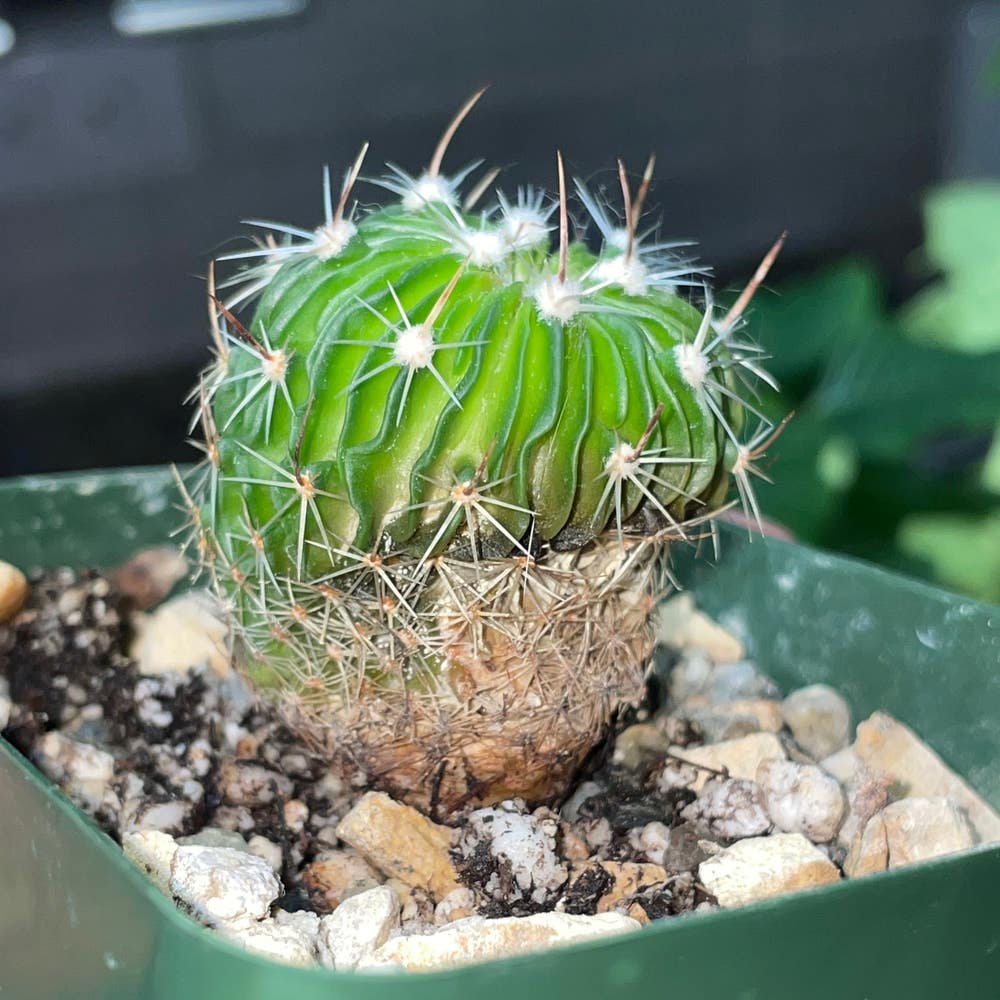
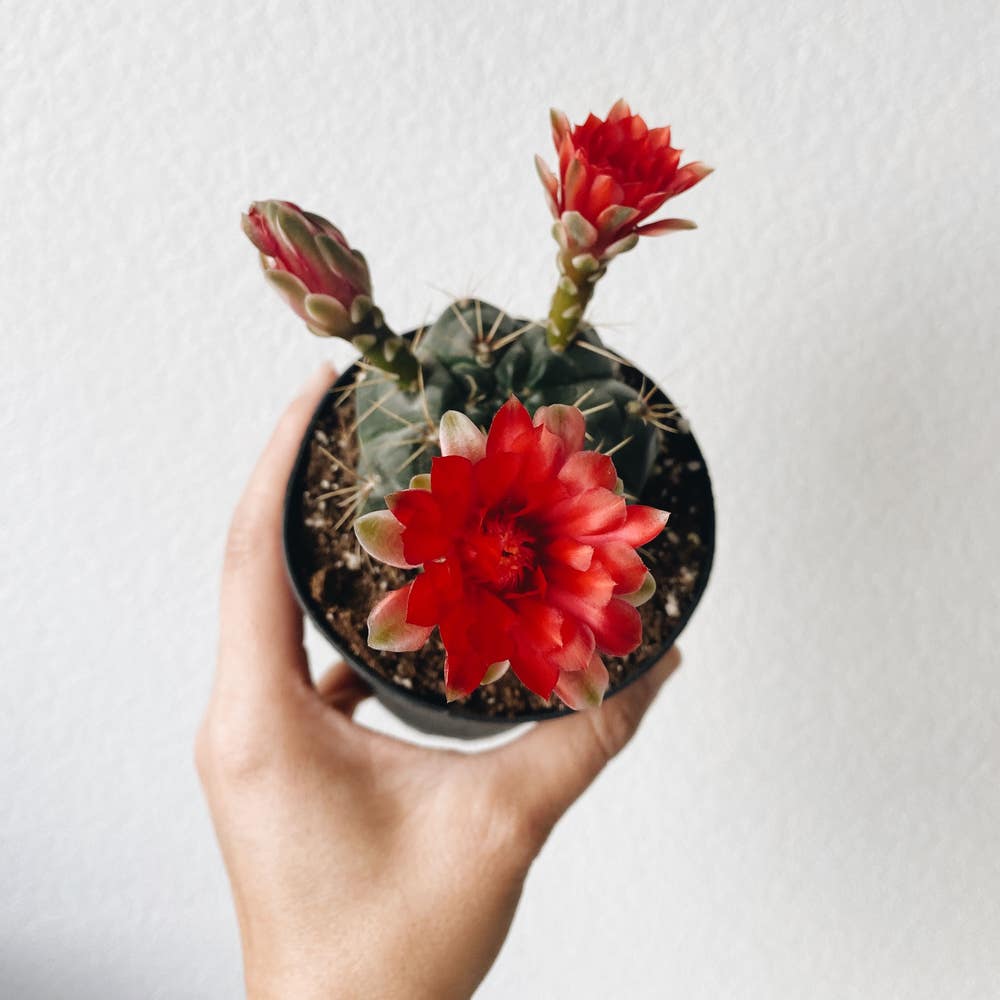
Thelocactus setispinus
By the Greg Editorial Team
Jun 18, 2024•4 min read
This article was created with the help of AI so we can cover more plants for you. May contain errors. See one? Report it here.
Ensure your Miniature Barrel Cactus thrives 🌵 with expert pruning tips for a sharp, healthy look.
- 🌵 Use sharp shears and disinfect to prevent cactus damage and infection.
- Prune in early spring for best growth and healing results.
- Wear protective gear like gloves and goggles for safe pruning.
Gear Up: Tools and Safety for Pruning Miniature Barrel Cactus
🛠️ Choosing Your Tools
Sharp pruning shears are your best friend for making precise cuts. They're the surgeon's scalpel for your cactus care. For the more robust sections, you'll want lopping shears, which act like the muscle in your pruning toolkit. And when you encounter the cactus version of a tree limb, a hand saw will be your go-to tool.
🛡️ Suiting Up for Safety
When it comes to safety, think of thick gloves as your personal armor against the cactus's spiky defenses. Safety goggles are a must to shield your eyes from any unexpected spines or debris. Long sleeves are your second skin, protecting your arms from the cactus's barbs. Remember, disinfecting your tools before and after pruning is not just a suggestion—it's a rule. It's the hand sanitizer for your cactus, keeping potential infections at bay.

Timing is Everything: When to Wield the Shears
🌵 Reading the Cactus Calendar
Pruning your Miniature Barrel Cactus isn't dictated by a strict schedule, but early spring is often ideal. This is when the cactus shakes off its winter lethargy and gears up for growth. Pruning during this period encourages the plant to channel its energy into new growth and healing, setting the stage for a vibrant display.
Spotting the Signs
Visual cues are your best bet for knowing when to prune. Look for overgrown areas, dead or damaged parts, and any segment that disrupts the cactus's natural form. These are your plant's way of waving a white flag and signaling for a trim. Remember, strategic snips can prevent a multitude of plant woes, so keep your eyes peeled and shears at the ready.

The Art of the Snip: Pruning Your Miniature Barrel Cactus
🌵 Where to Make the Cut
Identifying which parts of your Miniature Barrel Cactus need a trim is crucial. Damaged or diseased sections should be your first target. These unsightly bits can compromise the cactus's health and detract from its rugged charm. Look for areas that are discolored, shriveled, or just plain dead.
✂️ The Right Technique
When it's time to prune, think of yourself as a cactus barber, where every snip counts. Use sharp pruning shears for a clean cut, which helps the plant heal faster. Avoid tearing or crushing the flesh; it's not a wrestling match. And remember, less is more. Don't get snip-happy and overdo it; your cactus isn't trying to fit into a new outfit.
🧼 Keeping it Clean
Before and after your pruning session, give your tools a good disinfecting swab with alcohol. This is like the hand sanitizer ritual after a subway ride—it's all about keeping things germ-free. Clean tools mean less risk of infection, ensuring your cactus doesn't end up with the botanical equivalent of a cold.

After the Chop: Caring for Your Pruned Cactus
🩹 Wound Management
After pruning, it's crucial to treat the fresh cuts on your cactus to prevent infection. This is not the time to be slapdash; think surgical precision. Let the wound callus over for a few days, which is just a fancy way of saying let it dry out and harden. This step is like the cactus equivalent of a scab forming over a cut on your skin, and it's just as important.
Encouraging Recovery
In the aftermath, your cactus is not looking for a pity party; it needs proper care. Water sparingly; this isn't a time for a drink-a-thon. Overwatering can seriously hinder the healing process. Instead, place your prickly patient in a spot with bright, indirect sunlight. It's like a spa retreat for your cactus, encouraging it to get back on its feet. Keep a vigilant eye out for any signs of distress, such as discoloration or wilting, and be ready to adjust your care routine faster than you can say "What's up, Doc?" Remember, the goal is to foster recovery, not to audition for a role in a plant horror flick.
⚠️ Safety First
This content is for general information and may contain errors, omissions, or outdated details. It is not medical, veterinary advice, or an endorsement of therapeutic claims.
Always consult a qualified healthcare professional before using any plant as food, medicine, or supplement.
Never eat any plant (or feed one to pets) without confirming its identity with at least two trusted sources.
If you suspect poisoning, call Poison Control (800) 222-1222, the Pet Poison Helpline (800) 213-6680, or your local emergency service immediately.
Spotted an error? Please report it here.
Ensure your miniature barrel cactus thrives after a trim by using Greg 🌵 for personalized aftercare reminders and community support for any prickly questions!