🌵 How Much Humidity Does My Miniature Barrel Cactus Need?
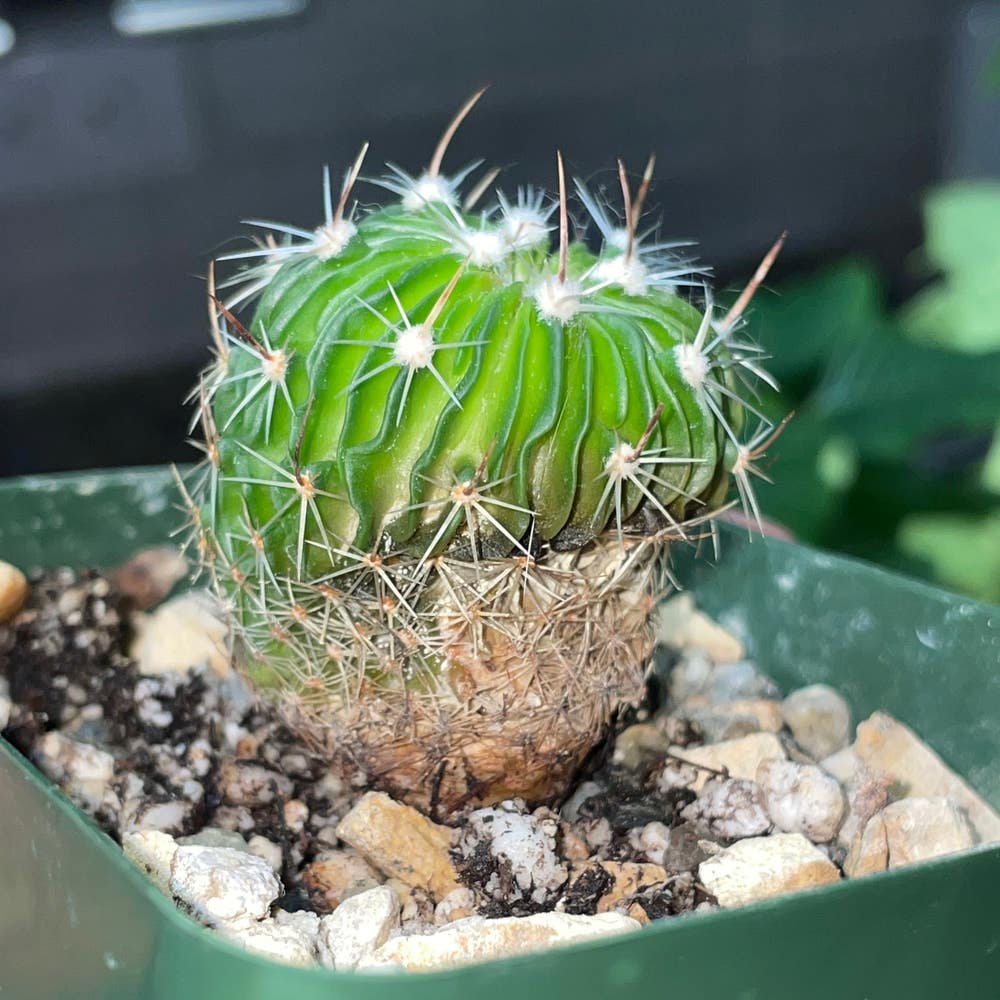
Thelocactus setispinus
By the Greg Editorial Team
Jun 18, 2024•5 min read
This article was created with the help of AI so we can cover more plants for you. May contain errors. See one? Report it here.
Master your Miniature Barrel Cactus's health by nailing the ideal humidity sweet spot 🌵🎯.
- Signs of distress: Wrinkling or softening indicates humidity imbalance.
- Hygrometer use: Essential for maintaining 10-30% ideal humidity.
- DIY hacks: Pebble trays and air circulation can adjust levels.
Spotting the Signs: When Your Miniature Barrel Cactus is Thirsty for Humidity
🌵 Identifying Symptoms of Low Humidity Stress
Dryness is the calling card of an under-humidified Miniature Barrel Cactus. If you spot brown leaf edges or wrinkling skin, it's a clear sign your spiky buddy is gasping for some atmospheric moisture. These desert dwellers may love aridity, but they still need a touch of humidity to avoid turning into plant jerky.
🌧 Recognizing Signs of Excessive Humidity
Conversely, too much humidity can send your cactus into a soggy spiral of despair. Softening of the cactus or a marshmallow-like appearance are distress flares indicating that it's time to cut back on the waterworks. Persistent wetness isn't a spa treatment for these plants; it's an open invitation for fungal gatecrashers and the dreaded root rot. Keep it dry, keep it happy.
⚖️ The Balance Between Too Much and Too Little
Finding the humidity sweet spot is like walking a tightrope in a gusty desert wind. It's a delicate balance. Sunken ribs or a loss of glossiness can mean your cactus is dehydrated, while a darkened, waterlogged appearance screams 'too much moisture!' Aim for a living space that mimics the cactus's natural habitat – think dry, warm, and breezy – to keep it from throwing a tantrum.
🌡 Monitoring for Optimal Health
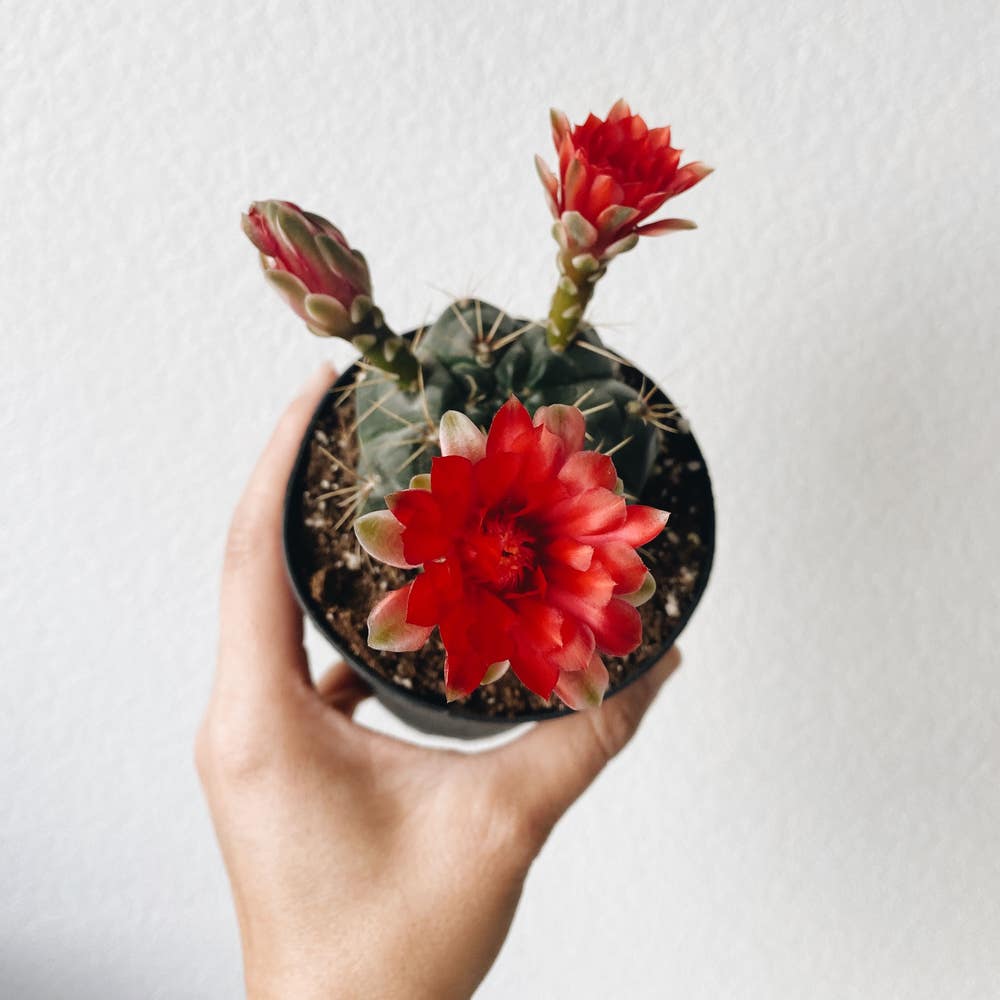
Keep an eye out for stunted growth or a lack of flowering; these are subtle hints that your cactus isn't living its best life. It's not just about how much water you give, but also about the quality of the air it breathes. So, monitor, adjust, and watch for the telltale signs of humidity distress to ensure your Miniature Barrel Cactus remains the stoic desert sentinel it was born to be.

Measuring Up: Tools to Track Humidity for Your Cactus
Hygrometers: indispensable tools for cactus caregivers. These gadgets don't just measure humidity; they're your cactus's health indicators.
💡 Using Hygrometers to Monitor the Environment
Place your hygrometer near your cactus, steering clear of sunlight or drafts that could skew readings. Consistent monitoring is key—check morning, noon, and night to capture the full spectrum of your indoor climate.
💧 Understanding the Readings
Ideal humidity for a Miniature Barrel Cactus hovers around 10-30%. Below 10%, and you're in the danger zone—time to up the moisture ante. Above 30%, and you're flirting with fungal issues. Keep it balanced; your cactus craves stability.
Remember, a hygrometer's cost is trivial compared to the priceless insight it provides into your cactus's comfort. It's like a fitness tracker for your plant's environment—essential for a thriving Miniature Barrel Cactus.

Creating the Desert Vibe: Adjusting Humidity for Your Miniature Barrel Cactus
🌵 When to Use a Humidifier
Humidifiers can be overkill for your Miniature Barrel Cactus, which revels in aridity. However, in the Sahara-like dryness of some indoor environments, a cool-mist humidifier might just prevent your cactus from becoming a desiccated husk. Use it sparingly—like a pinch of salt in a recipe—just enough to stave off the dry spell. Keep it clean; a dirty humidifier is a fungal fiesta waiting to happen.
💨 The Role of Air Circulation
Airflow is the unsung hero in the humidity drama. It's like a gentle desert wind, keeping the atmosphere around your cactus just right. A fan or an open window can work wonders, especially if your cactus's environment feels more like a steam room than a desert plain. Remember, your cactus doesn't want to be caught in a rainforest downpour; it's a creature of the sun-baked earth.

DIY Humidity Hacks: Simple Solutions for Your Cactus's Comfort
💧 Pebble Trays: A Desert Oasis on the Cheap
Pebble trays are the unsung heroes for your cactus's humidity needs. Just grab a tray, toss in some stones, and add water. Place your cactus on top, but keep the pot above the waterline to avoid root rot. It's a simple evaporation game that gently ups the humidity without fuss.
🌵 Group Therapy for Plants
Grouping your cacti can create a microclimate of shared moisture. It's like a communal gathering where each plant contributes to the ambient humidity. No gadgets required, just strategic placement.
🌬️ Dehumidifying: When Less is More
Got a case of the mold or a cactus that's less perky? Cut back on the humidity. Move your plant to a less humid spot or increase air circulation. Sometimes, all it takes is a little more breathing room to get the balance right.
🚱 The No-Electricity Humidifier
No humidifier? No problem. Water-filled saucers with pebbles can act as a DIY humidifier. It's a low-tech solution that's kind to both your cactus and your electric bill.
🌿 Terrariums: The Mini-Greenhouse Effect
Terrariums can be a stylish way to boost humidity. Just be sure to open them up now and then to prevent your cactus from getting too steamy and to stop mold in its tracks.
🚿 The Kitchen & Bathroom Spa
Consider moving your cactus to the bathroom or kitchen for a natural humidity boost. These areas tend to be more humid, but make sure the light conditions are still suitable for your spiky friend.
⚠️ Safety First
This content is for general information and may contain errors, omissions, or outdated details. It is not medical, veterinary advice, or an endorsement of therapeutic claims.
Always consult a qualified healthcare professional before using any plant as food, medicine, or supplement.
Never eat any plant (or feed one to pets) without confirming its identity with at least two trusted sources.
If you suspect poisoning, call Poison Control (800) 222-1222, the Pet Poison Helpline (800) 213-6680, or your local emergency service immediately.
Spotted an error? Please report it here.
Keep your Miniature Barrel Cactus perfectly plump and happy 🌵 with Greg's custom humidity tracking and expert community advice for that just-right desert vibe.