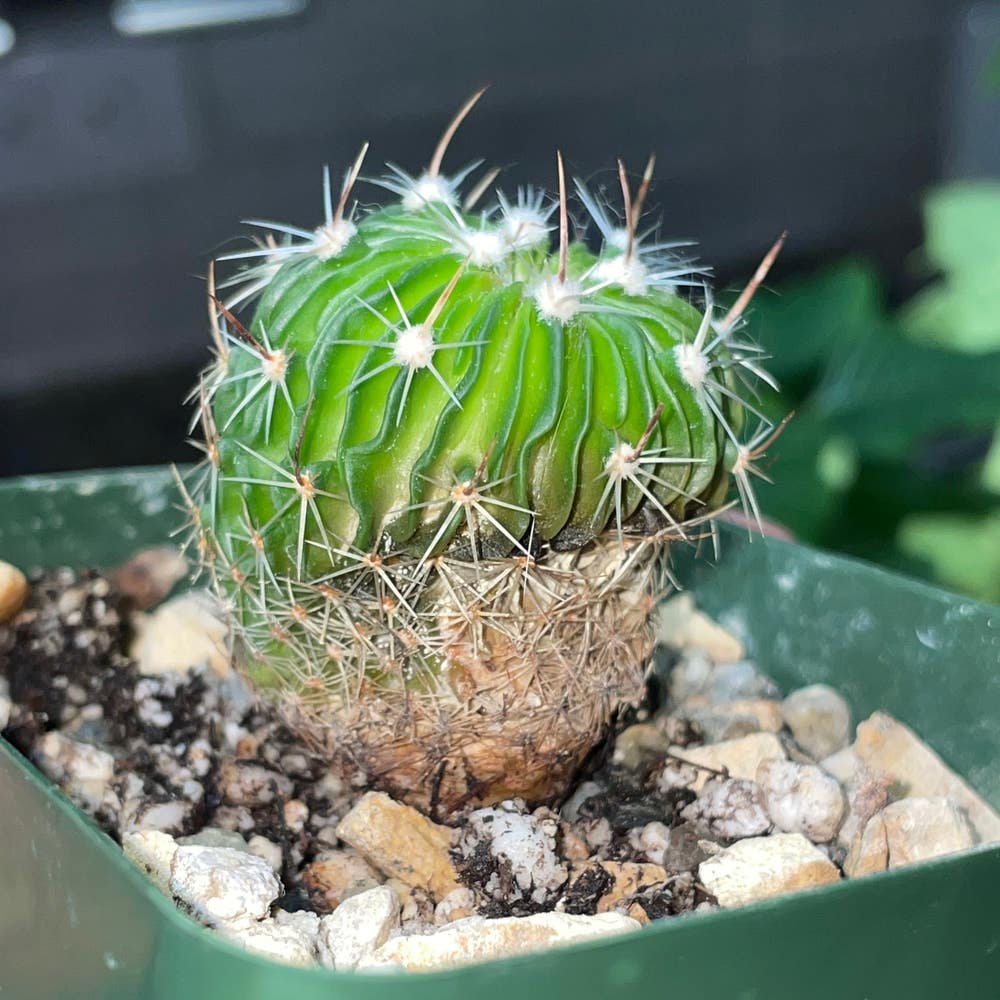
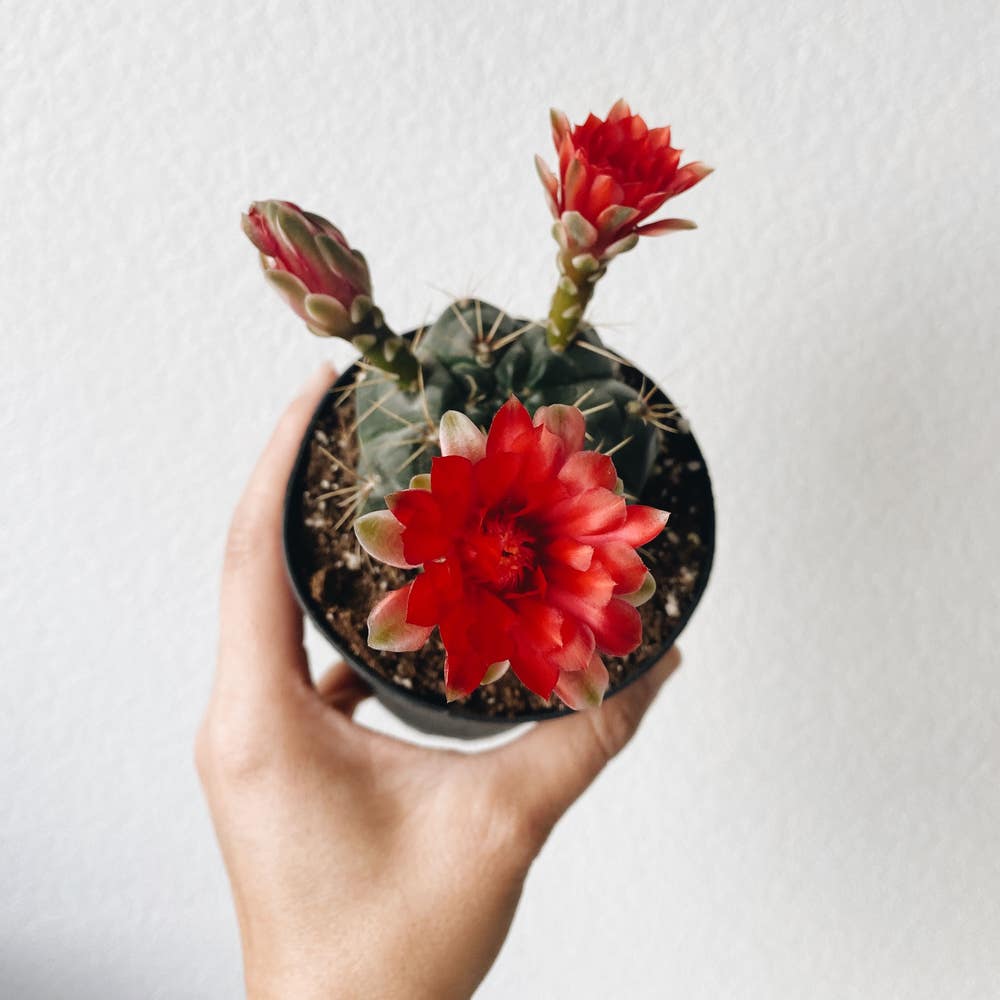
🌵 Why Are There Brown Spots on My Miniature Barrel Cactus?
Thelocactus setispinus
By the Greg Editorial Team
Jun 18, 2024•4 min read
This article was created with the help of AI so we can cover more plants for you. May contain errors. See one? Report it here.
Solve your cactus's brown spot puzzle 🌵 and ensure its health with these easy care tweaks!
- 🌵 Overwatering and poor drainage lead to brown spots on cacti.
- ☀️ Sunburn can cause spots; acclimate cacti to sunlight gradually.
- 🍄 Fungal infections need treatment; adjust environment and consider fungicides.
Spotting the Trouble: Identifying Brown Spots and Their Causes
💧 Overwatering Woes
Overwatering is a common misstep for cactus caretakers. Brown spots from too much H2O are typically soft and appear on the base of the plant. Soil that feels more like a swamp than a desert is a telltale sign of overhydration. The right pot and soil combo is crucial; they should be as thirsty as the cactus itself, ensuring quick drainage and a dry environment.
🌞 Sunburn Scorch Marks
Too much sun can turn your cactus into a botanical crisp. Sunburn shows up as flat, smooth patches, a clear sign your plant is getting more light than it can handle. Sun exposure and brown spots go hand-in-hand, so if your cactus is starting to look like it's been in a tanning bed too long, it's time to throw some shade its way.
🍄 Fungal Foes
Fungal infections leave behind a distinctive calling card: brown spots with a yellow halo. These spots are the plant world's version of a red flag. Common conditions that invite these uninvited guests include stagnant air and excessive moisture. If you see these lesions, it's time to play plant doctor and prescribe a change in environment and possibly a dose of fungicide.

Watering Wisdom: Balancing Moisture for Cactus Health
💧 Perfecting Your Watering Technique
Watering your Miniature Barrel Cactus isn't a set-it-and-forget-it deal. Adjust your watering frequency to match the cactus's desert origins—think infrequent but thorough. Summer calls for more water; winter, less. It's about syncing with the seasons, not sticking to a rigid schedule.
🕰 Best Times for Watering
Early morning or late afternoon is prime time for watering. It's like happy hour for cacti—avoid the midday heat to prevent rapid evaporation and give your plant time to soak up the goodness.
Potting Practices for Prevention
🌵 Choosing the Right Pot
The pot is your cactus's home—make it comfy. Ensure it has drainage holes to let excess water escape. No one likes wet feet, especially not cacti.
🏜️ Soil Mix Selection
Go for a soil mix that won't cling to water. Think gritty, think airy—something that mimics the cactus's sandy natural habitat. Your cactus will be grateful, and you'll dodge the overwatering bullet.

Sunlight Strategies: Protecting Your Cactus from Burns
🌞 Gradual Sun Exposure
Cacti are sun worshippers, but they can't jump into a solar party without a warm-up. Start slow—introduce your Miniature Barrel Cactus to indirect light and inch it towards more exposure over several weeks. This methodical shift lets it build resilience, much like a good SPF for your skin.
🏖 Creating Shade Solutions
When the sun's relentless, your cactus needs a cool corner. DIY shade can be as simple as a sheer curtain for indoor plants or a strategically placed umbrella for those outdoors. If you're into gadgets, explore store-bought shade cloths that cut the UV intensity without creating a cave-like gloom.

Fungicide to the Rescue: Treating and Preventing Fungal Infections
💣 Choosing the Right Fungicide
When your cactus is under fungal siege, choosing the right fungicide is like picking the best weapon for battle. Copper fungicides are the heavy artillery, effective against a broad spectrum of invaders. For a more eco-friendly approach, bio-fungicides pack a punch while being kind to your garden's ecosystem. Always read labels like a detective, ensuring the product is cactus-compatible and applying it with the precision of a surgeon. Rotate products to keep those pesky fungi guessing and avoid resistance.
🏰 Cultural Controls
Creating an environment that's more fortress than a fungal playground is key. Air circulation should be your cactus's best friend; think breezy, not stuffy. Watering from below avoids moisture on the stem, which is like a welcome mat for fungi. Sterile potting mix is a must – think of it as the clean room of cactus care. If the worst happens and you spot an infection, channel your inner gardener-ninja and excise the infected tissue with a sterilized instrument, going beyond the visible damage. Then, let the wound dry, forming a natural barrier against further infection. Keep a watchful eye for any signs of resurgence, ready to act swiftly.
⚠️ Safety First
This content is for general information and may contain errors, omissions, or outdated details. It is not medical, veterinary advice, or an endorsement of therapeutic claims.
Always consult a qualified healthcare professional before using any plant as food, medicine, or supplement.
Never eat any plant (or feed one to pets) without confirming its identity with at least two trusted sources.
If you suspect poisoning, call Poison Control (800) 222-1222, the Pet Poison Helpline (800) 213-6680, or your local emergency service immediately.
Spotted an error? Please report it here.
Wave goodbye to brown spots 🤎 on your cactus by letting Greg remind you when to water and shade, ensuring your desert buddy thrives in your care!