Am I Starving My Miniature Barrel Cactus? Fertilizing 101
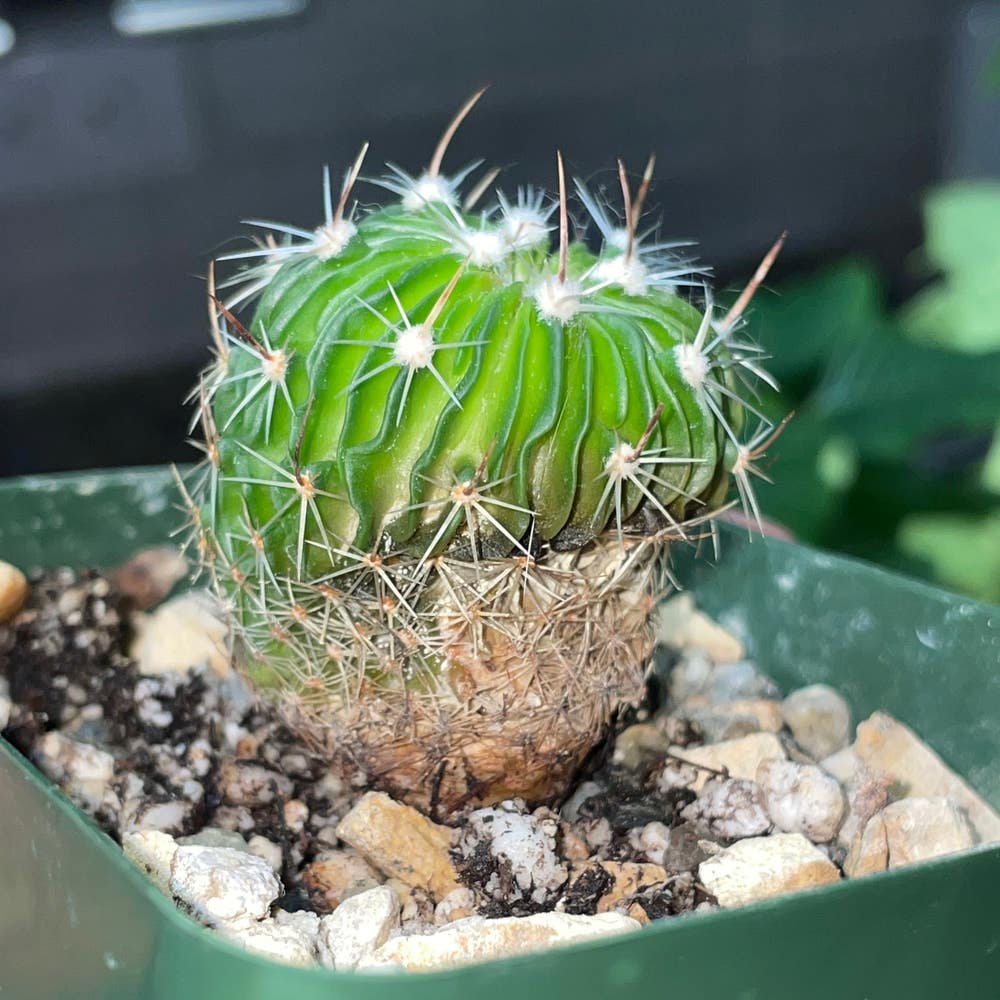
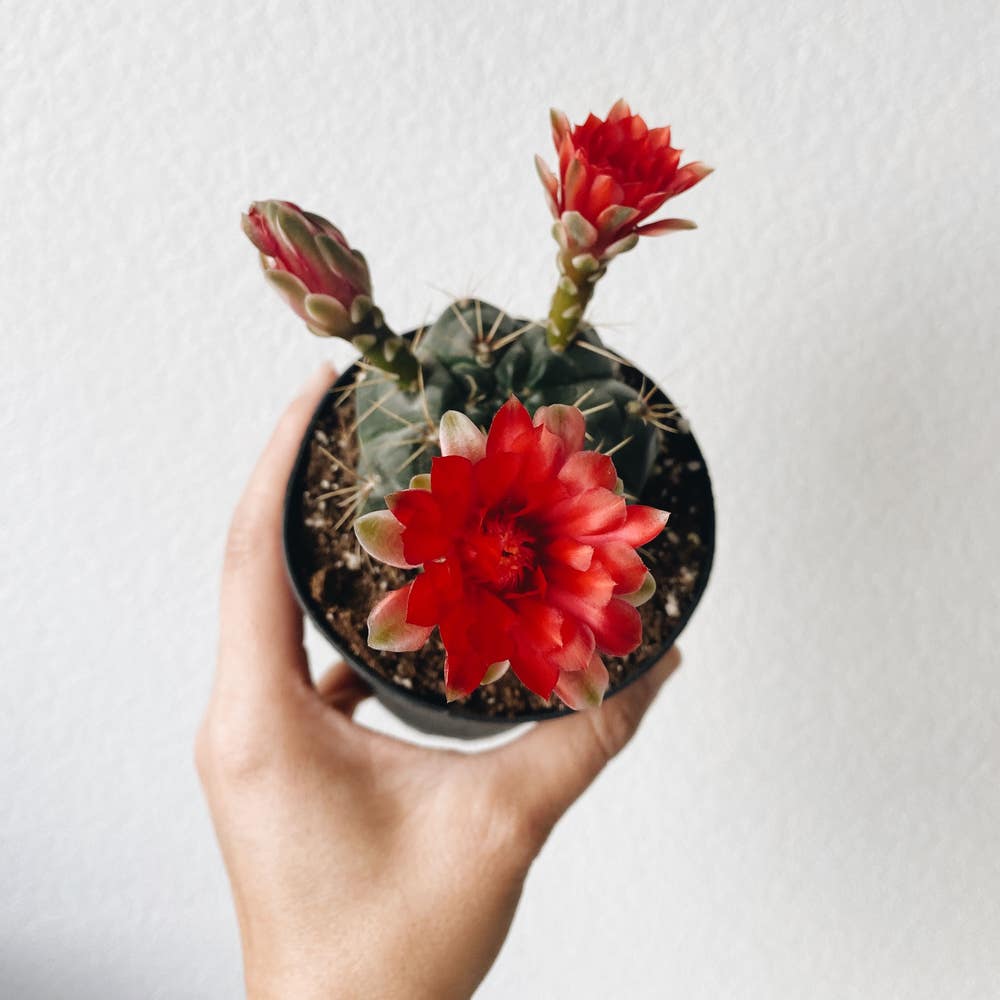
Thelocactus setispinus
By the Greg Editorial Team
Jun 18, 2024•4 min read
This article was created with the help of AI so we can cover more plants for you. May contain errors. See one? Report it here.
Nourish your Miniature Barrel Cactus to blooming perfection with this essential fertilizing blueprint. 🌵✨
- 🌵 Liquid fertilizers boost blooms; use sparingly for healthy flowering.
- Fertilize in spring with half-strength solution, avoid cooler months.
- Over-fertilization signs: yellowing, wilting—flush soil to recover.
Picking the Perfect Fertilizer for Your Miniature Buddy
💐 Types of Fertilizers That Make Miniature Barrel Cactus Bloom
Liquid gold: Liquid fertilizers are the go-to for a flowering fiesta. They're like an espresso shot for your cactus, providing a quick nutrient boost. But remember, moderation is key—too much, and you're in trouble.
Time-release nuggets: Slow-release fertilizers are the tortoises in the race—steady and reliable. They dish out nutrients over time, supporting your cactus's health without overwhelming it. It's a long-term commitment, but your cactus is worth it.
🌼 The Nutrient Mix for Maximum Blooms
Low-nitrogen love: Cacti aren't fans of fast food, so keep the nitrogen low. A balanced 1-1-1 or a 2-1-1 N-P-K ratio hits the sweet spot, encouraging sturdy growth over leafy sprawl.
Blooming boosters: Potassium and Phosphorus are your cactus's BFFs for blooms. They're like the plant version of an energy drink, minus the crash. Look for a fertilizer with a higher ratio of these nutrients to cheer on those flowers.

Timing is Everything: When to Fertilize for Flowers
⏰ Syncing Fertilization with Growth Cycles
Spring is your miniature barrel cactus's call to action. This is when it's primed to soak up nutrients and burst into bloom. Fertilize as the growth spurt kicks in, but keep it gentle—a half-strength solution is plenty.
During the resting phase, usually in the cooler months, your cactus is taking it easy. Respect this downtime by holding back on the fertilizer; it's not ready to feast.
🔄 Frequency Matters
Adopt the golden rule of thumb: fertilize monthly or bi-monthly during the active growing season. This steady rhythm supports healthy growth without overwhelming your spiky friend. Remember, less is often more when it comes to cactus care.

The Right Way to Feed Your Spiky Friend
💧 Step-by-Step Fertilizer Application
Mixing it up: Getting the dilution just right is crucial. Always dilute your fertilizer to about 1/4 to 1/2 the strength recommended on the package. This prevents nutrient overload, which can be more harmful than beneficial to your cactus.
Where to sprinkle the magic dust: Apply your diluted fertilizer directly to the soil, avoiding the plant itself to prevent potential damage. Use a watering can for even distribution, ensuring the roots can absorb the nutrients without concentrating them in one spot.
🌸 Pro Tips for Flower-Focused Feeding
Little sips, not big gulps: Overfeeding is a common misstep. Your cactus prefers a modest meal over a feast. Stick to a monthly or bi-monthly fertilization schedule during the growing season. Remember, it's better to under-fertilize and adjust as needed than to deal with the aftermath of overzealous feeding.

Oops, Too Much! Dealing with Over-Fertilization
🚨 Spotting Trouble: Signs Your Cactus is Overfed
Your cactus is not subtle when it's had too much. Yellowing or browning tips? That's nutrient burn. A crusty, white layer on the soil? That's the fertilizer equivalent of a "Do Not Cross" tape. If your cactus is wilting but the soil feels like a damp sponge, you've got an over-fertilization situation on your hands. And watch out for stunted growth—your cactus is basically saying, "I'm full, thanks."
🛁 The Recovery Plan
Flushing out excess: Soil leaching 101
When you've overdone it with the plant food, it's time for a detox. Start by removing any visible fertilizer. Then, flush the soil with water to rinse away the excess nutrients. Think of it as a spa treatment for your cactus's roots. You might need to do this a few times, so patience is key.
Adjusting your approach: Dialing back for future flourishing
After the flush, it's time to reassess. Cut back on the fertilizer—your cactus prefers a minimalist diet. Consider switching to a low-nitrogen fertilizer and reduce the frequency of your feedings. Remember, it's about giving your cactus just enough to thrive, not so much that it goes into a food coma. Keep an eye on your prickly friend's recovery and be ready to tweak your approach. After all, cactus care is more art than science.
⚠️ Safety First
This content is for general information and may contain errors, omissions, or outdated details. It is not medical, veterinary advice, or an endorsement of therapeutic claims.
Always consult a qualified healthcare professional before using any plant as food, medicine, or supplement.
Never eat any plant (or feed one to pets) without confirming its identity with at least two trusted sources.
If you suspect poisoning, call Poison Control (800) 222-1222, the Pet Poison Helpline (800) 213-6680, or your local emergency service immediately.
Spotted an error? Please report it here.
By tracking your cactus's growth and adjusting care with Greg's smart alerts 🌵, you'll never over or under-fertilize your miniature barrel cactus again.