🌵 Why Are My Miniature Barrel Cactus Leaves Curling?
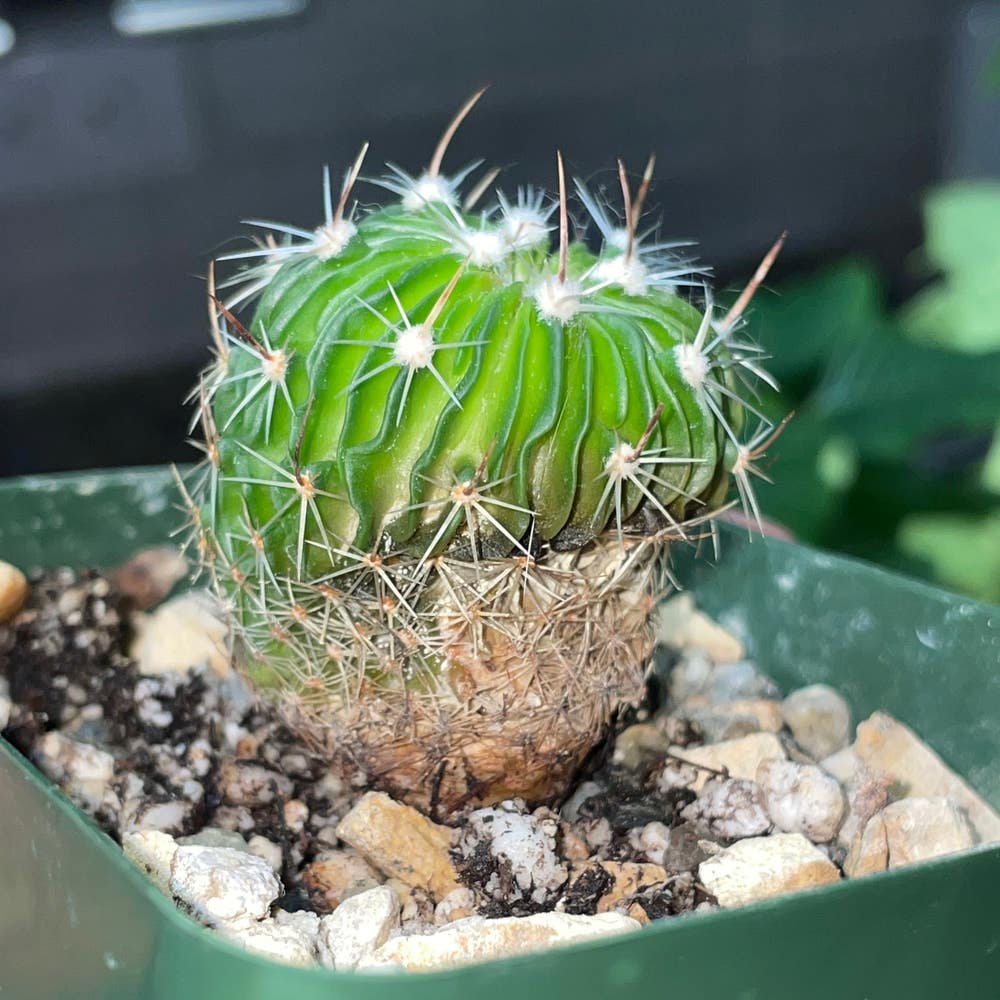
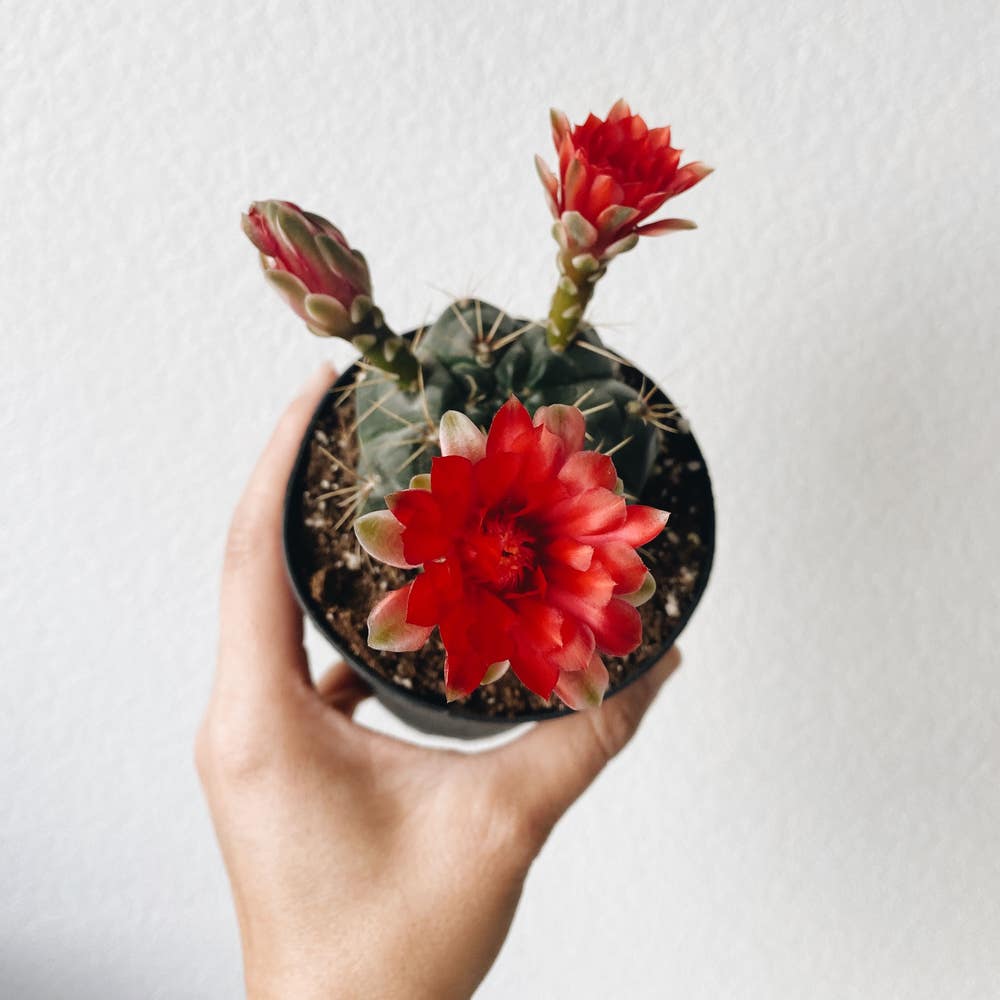
Thelocactus setispinus
By the Greg Editorial Team
Jun 18, 2024•3 min read
This article was created with the help of AI so we can cover more plants for you. May contain errors. See one? Report it here.
Unravel the mystery of curling cactus leaves 🌵 and restore your plant's health with expert tips!
- 🌵 Sunburn signals distress; discoloration and crispy patches mean too much sun.
- 💧 Balance watering; water deeply, let soil dry out, and ensure good drainage.
- 🕵️♂️ Inspect for pests and diseases; combat with gentle sprays and prevent with cleanliness.
When the Sun Gets Too Much Love
🌵 Signs of Sunburn
Sunburn on a cactus isn't a beach souvenir—it's a distress signal. Look for discoloration, white or brown patches, or areas that have turned crispy. These are the cactus's version of an SOS.
🏖 Shading Strategies
Protecting your cactus from sunburn is about smart placement and timely intervention. If your cactus is starting to look like it's in a desert without an oasis, it's time to move it to a shadier spot or use sheer curtains to filter the sunlight. Remember, indirect light is your cactus's best friend. Keep it happy, not crispy.

Thirsty or Drowning? Watering Woes
🌵 The Balancing Act
Finding the sweet spot between underwatering and overwatering is crucial for the health of your Miniature Barrel Cactus. Underwatering can leave your cactus dehydrated and shriveled, while overwatering may lead to swollen stems and root rot. The key is to water deeply, but infrequently, allowing the soil to dry out between sessions.
🚰 Drainage Drama
Proper drainage is non-negotiable for cacti. Ensure your pot has drainage holes to prevent your plant from sitting in excess water, which is as detrimental as a cactus in a swamp. Mix in materials like perlite or coarse sand to keep the soil loose and well-draining. If you find the soil is still soggy days after watering, it's time to adjust your approach and possibly repot with a better-draining mix.

Tiny Invaders: Pest Problems
🐛 Spotting the Culprits
Pests can turn your cactus into an all-you-can-eat buffet. Scale insects are sneaky, resembling small bumps that blend with the plant's hues. They love to hide under leaves and in nooks. Fungus gnats and fruit flies hover around, drawn to moist soil, with larvae lurking below the surface. Spider mites are tiny but mighty, causing discoloration and stickiness; you'll need a magnifying app to spot them. Mealybugs, aphids, and other critters can also wreak havoc, so keep an eye out for any unusual signs on your cactus.
🌿 Natural Defenses
To combat these pests, start with a gentle water spray or insecticidal soap. For tougher cases, a miticide might be your go-to. Regular plant check-ups are crucial—think of it as a routine pest patrol. Prevention is key: keep your cactus clean and inspect it often. Isolate any affected plants to stop the spread. Introduce beneficial insects like ladybugs or lacewings to keep the pests in check. And remember, a healthy cactus is less inviting to pests, so maintain ideal growing conditions to keep your plant strong and resilient.

Fungus Among Us: Disease Dilemmas
🍄 Root Rot Rundown
Root rot is the silent assailant of the cactus world, often going unnoticed until it's too late. If your Miniature Barrel Cactus has leaves that are curling, it could be waving a white flag of surrender to this subterranean scoundrel. Overwatering is the usual suspect, creating a damp playground for fungi like Rhizoctonia and Fusarium to thrive.
🛠️ Fungal Fixes
When it comes to fungal foes, speed is key. At the first sign of trouble—be it black spots or a mushy base—get your detective hat on. Check the soil; if it's more swamp than desert, you've got your culprit. Trim the rot, but don't just snip willy-nilly; sterilize those scissors to avoid spreading the spores. Repot your cactus in fresh, well-draining soil to give it a fighting chance. And while you might be tempted to reach for the fungicide, remember it's a stopgap, not a cure-all. Prevention is your best defense—water with care and ensure your cactus's home isn't a petri dish for pathogens.
⚠️ Safety First
This content is for general information and may contain errors, omissions, or outdated details. It is not medical, veterinary advice, or an endorsement of therapeutic claims.
Always consult a qualified healthcare professional before using any plant as food, medicine, or supplement.
Never eat any plant (or feed one to pets) without confirming its identity with at least two trusted sources.
If you suspect poisoning, call Poison Control (800) 222-1222, the Pet Poison Helpline (800) 213-6680, or your local emergency service immediately.
Spotted an error? Please report it here.
Prevent your cactus leaves from curling by mastering the sun and sip balance ☀️💧 with Greg's custom care plans and pest alerts, ensuring your spiky friend thrives.