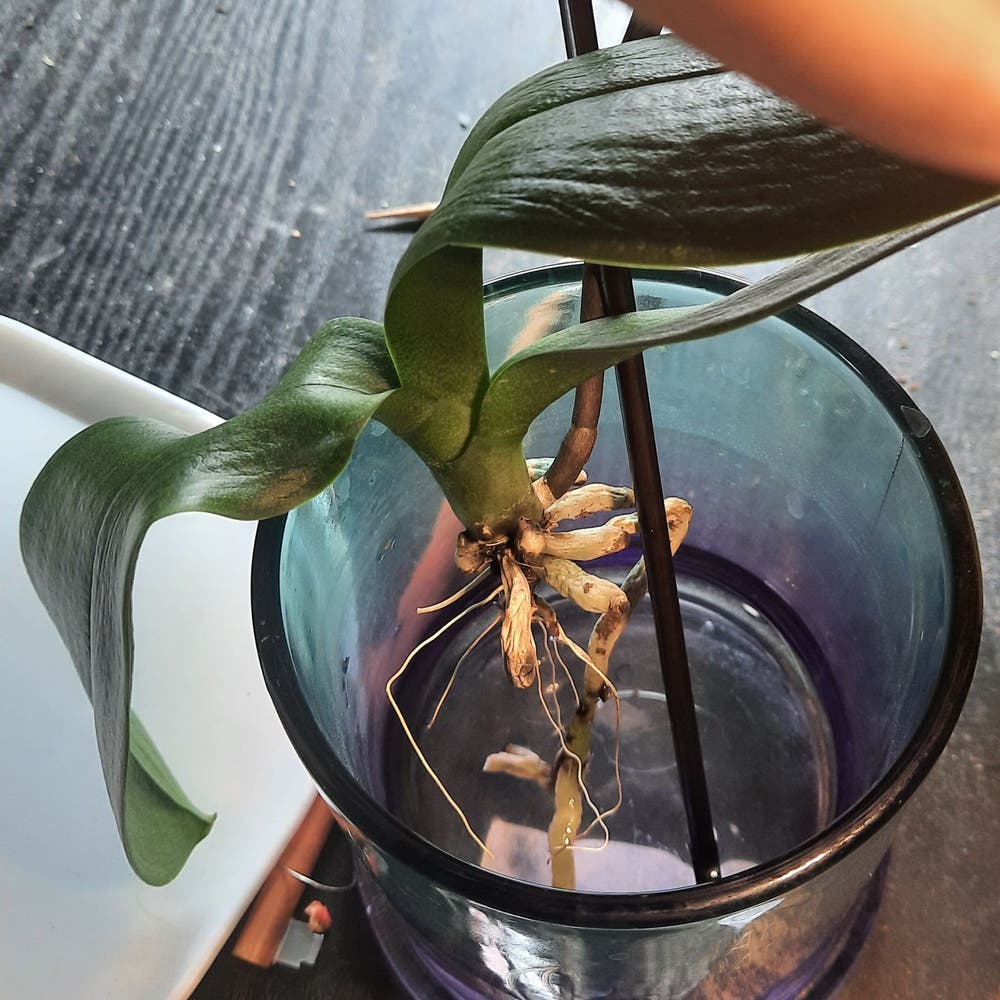
Why Are My Mini Phalaenopsis Orchid Leaves Turning Yellow?
Phalaenopsis amabilis 'Miniature'
By the Greg Editorial Team
Jun 18, 2024•4 min read
This article was created with the help of AI so we can cover more plants for you. May contain errors. See one? Report it here.
- Over/underwatering? Check soil moisture and adjust watering routine.
- 🌞 Avoid direct sunlight, opt for bright, indirect light instead.
- 🌡️ Stabilize temperature and humidity to prevent yellowing leaves.
Pinpointing the Culprits Behind Yellow Leaves
💧 Overwatering vs. Underwatering
🌊 Recognizing Overwatering
Yellow leaves on your Mini Phalaenopsis Orchid can be a red flag for overwatering. If the pot feels like a swamp, you've probably been too generous with the H2O. Check for a soggy base and mushy, white roots—these are telltale signs.
🚱 Correcting Overwatering
To fix this, ease up on the water. Let the soil dry out a bit between waterings. If the roots are damaged, it's surgery time: snip the bad ones and repot with fresh, airy potting mix.
🏜️ Signs of Underwatering
On the flip side, if your orchid's leaves resemble crispy autumn foliage, it's time to up the hydration game. Dry soil and curled leaves are your orchid's way of saying, "I'm thirsty!"
💦 Rehydrating Without Harm
When rehydrating, make sure to thoroughly water the plant so that moisture reaches all the roots. Aim for a consistent moisture level, like that of a wrung-out sponge.
☀️ Light Exposure: Finding the Sweet Spot
🌞 Light Stress Symptoms
If your orchid's leaves are turning yellow, it might be throwing shade at you for too much sun. Direct sunlight is a no-go; it's like a sunburn for your plant's leaves.
🌅 Adjusting Light Exposure
Move your orchid to a spot with bright, indirect light. Think of it as a shaded reading nook for your plant. Monitor the light throughout the day to ensure the sweet spot doesn't turn into a tanning bed.
🌡️ Temperature and Humidity: Creating the Ideal Microclimate
🌡️ Temperature Fluctuations
Orchids dislike surprises. Sudden temperature changes can stress them out, leading to yellow leaves. Keep the thermostat steady to avoid giving your plant a cold shoulder or a fever.
💦 Humidity Levels
Mini Phalaenopsis Orchids crave humidity like a sponge craves water. Too dry, and the leaves will yellow. Use a humidity tray or a humidifier to keep the air just right—think tropical forest, not desert.
🌿 Stabilizing the Environment
Simple tweaks like moving your orchid away from drafts or adjusting your AC can prevent yellowing. Stability is key—your orchid's comfort zone is a stable, humid microclimate.

Reviving Your Orchid: Practical Steps to Green Up
💧 Watering Wisdom: Balancing Moisture for Vibrant Leaves
Orchids are not your average houseplants, and their watering needs are just as unique. Here's how to hit the hydration sweet spot:
- Check Soil Moisture: Forget the watering schedule; use your finger to test if the top inch of the soil is dry.
- Water Deeply: When it's time, drench the roots thoroughly, ensuring excess water drains away.
- Adjust Frequency: If your orchid's soil dries out too quickly, it's a sign to water more often.
- Quality Matters: Use rainwater or filtered water to avoid chemical build-up.
🌞 Light and Location: Orchestrating Optimal Conditions
Getting the right light for your orchid can feel like a high-stakes balancing act. Here's how to avoid the extremes:
- East-facing Windows: These are gold for gentle morning rays with a sheer curtain to diffuse direct sunlight.
- Rotate Regularly: Prevent the dreaded lopsided growth by giving your orchid a quarter turn with each watering.
- LED Grow Lights: Consider these for a consistent and controlled light source, especially during darker months.
🌿 Embracing the Humidity: Tools and Tricks
Your orchid craves that tropical humidity, but without turning your home into a rainforest. Here's how to keep it lush:
- Humidity Trays: A simple tray with pebbles and water can up the humidity game without overdoing it.
- Misting: A light spritz can help, but don't create a wet leaf situation that invites disease.
- Air Circulation: Pair humidity with a gentle breeze from a fan to mimic the orchid's natural environment.
Remember, observation is key. Watch how your orchid responds and tweak your care routine accordingly.

When to Take Action: Advanced Care for Persistent Problems
🔍 Root Check: Uncovering Hidden Issues
Root health is a crystal ball into your orchid's future. To peek inside, gently remove your plant from its pot. Healthy roots are firm and white, while problematic ones are brown and squishy. If the latter is what you find, it's surgery time—snip the bad parts away with sterilized scissors. Think of it as giving your orchid a much-needed haircut.
🌱 The Repotting Route: When and How
Repotting isn't just a change of scenery; it's a revitalization. If your orchid's roots are circling the drain—literally—it's time for a new abode. Choose a pot that's snug but not tight, and fill it with fresh, airy orchid mix. When you repot, it's like moving day for your plant—stressful, yet full of fresh starts. Remember, after the move, treat your orchid to a gentle watering and keep it in stable conditions to ease the transition.

⚠️ Safety First
This content is for general information and may contain errors, omissions, or outdated details. It is not medical, veterinary advice, or an endorsement of therapeutic claims.
Always consult a qualified healthcare professional before using any plant as food, medicine, or supplement.
Never eat any plant (or feed one to pets) without confirming its identity with at least two trusted sources.
If you suspect poisoning, call Poison Control (800) 222-1222, the Pet Poison Helpline (800) 213-6680, or your local emergency service immediately.
Spotted an error? Please report it here.
Banish yellow leaves and ensure your Mini Phalaenopsis Orchids are flourishing 🌸 with Greg's tailored watering schedules and environment tips based on your home's unique conditions.