🌸 Should I Repot My Mini Phalaenopsis Orchid?
Phalaenopsis amabilis 'Miniature'
By the Greg Editorial Team
Jun 18, 2024•3 min read
This article was created with the help of AI so we can cover more plants for you. May contain errors. See one? Report it here.
- Roots circling or escaping? Time to repot your orchid.
- Choose the right pot: Plastic, clay, or ceramic based on needs.
- Prep and prune: Gather tools, trim mushy roots before repotting.
Spotting the Telltale Signs It's Time for a Change
🌱 Root Tango in a Tiny Pot
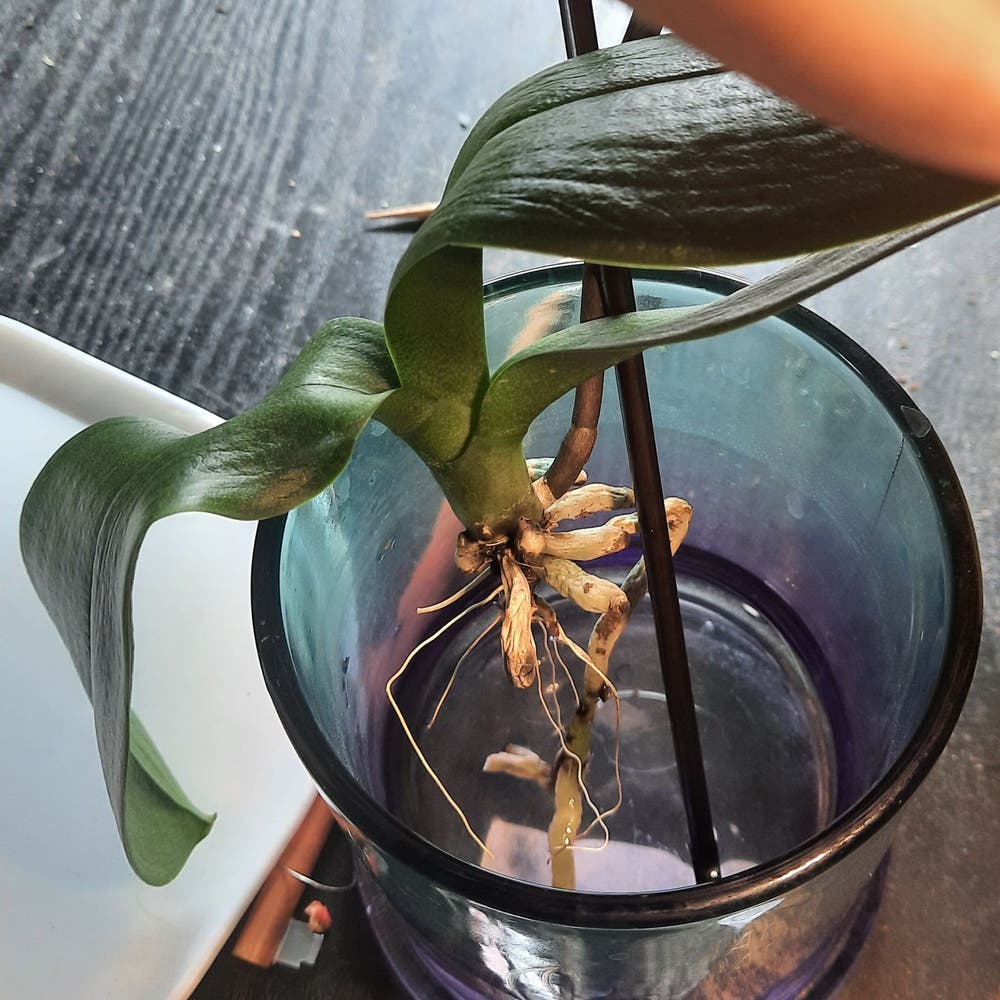
Your Mini Phalaenopsis Orchid's roots should be the Houdinis of the plant world, comfortably escaping the confines of their pot. But if they're more like prisoners cramming at the walls, it's time for a jailbreak. Check for roots that are circling the bottom of the pot or sneaking out of drainage holes. This isn't a root's attempt at exploration; it's a cry for help.
💧 Watering Woes and Media Mayhem
When water speed-races through the pot, it's not your orchid being a hydration champ—it's a sign that the roots have taken over and the media has given up. Conversely, if your potting media is more swamp than soil, it's a soggy signal that your orchid is drowning in its own home. Potting media should be your plant's life partner, offering support and aeration. If it's breaking down or smelling like last week's compost, it's time to swipe right on some fresh media.

The Great Move: A Step-by-Step Guide to Repotting
🌱 Pre-Repotting Prep Talk
Before diving into the repotting process, assemble your tools: a new pot, orchid mix, scissors, and gloves. Lay down some newspaper to catch any stray bits of bark or moss. This isn't a black-tie event, but you'll want to dress your workspace for the messy occasion.
🌿 The Gentle Uproot
When removing your orchid, think of it as defusing a bomb; gentleness is key. Tilt the pot and coax the plant out. If it's playing hard to get, a few squeezes to the pot's sides should help. Never yank it out by the stem—orchids have feelings too.
🌱 Root Health Check-Up
Now, play doctor. Examine the roots. Healthy ones are firm and white or green. If they look like overcooked spaghetti, it's time to trim. Use sterilized scissors to cut away the mushy offenders. Remember, a clean cut is a happy cut.
🌿 Settling into a New Abode
Place your orchid in its new home, positioning it in the center or against the pot wall for multi-stem varieties. Fill the pot with pre-soaked orchid mix, leaving about a half-inch of space below the rim. Water thoroughly, but don't drown it—orchids can't swim. After watering, add more mix if necessary to keep the roots snug as a bug.
Remember, repotting is like a spa day for your orchid—a little stress for a lot of future bliss.

Picking the Perfect Pot
🌱 Plastic Pots: Lightweight and Budget-Friendly
Plastic pots are the underdogs of the potting world: light on the wallet and the back. Durability is their middle name, but they do like to hold onto water like a camel, which isn't always what your orchid needs. If you're prone to giving your plants a little too much to drink, you might want to think twice.
🏺 Clay Pots: Breathable and Sturdy
Clay pots are the old-school gym buffs, letting roots breathe with their porous walls. They're all about that air flow, which is great for your orchid's roots. Just remember, they can dry out faster than a gossip in a small town, so you'll need to water more often.
💃 Ceramic Pots: Stylish but Tricky
Ceramic pots are the high-maintenance fashionistas of plant containers. They look fabulous, but they're heavy and can be as fickle as a cat in a yarn store when it comes to watering. They keep moisture in, which is great unless you're overzealous with the watering can.

⚠️ Safety First
This content is for general information and may contain errors, omissions, or outdated details. It is not medical, veterinary advice, or an endorsement of therapeutic claims.
Always consult a qualified healthcare professional before using any plant as food, medicine, or supplement.
Never eat any plant (or feed one to pets) without confirming its identity with at least two trusted sources.
If you suspect poisoning, call Poison Control (800) 222-1222, the Pet Poison Helpline (800) 213-6680, or your local emergency service immediately.
Spotted an error? Please report it here.
Ensure your mini Phalaenopsis thrives in its new pot by following Greg's customized repotting reminders 🪴, making the transition smooth and stress-free.