How Should Mini Phalaenopsis Orchid Be Cut Back?
Phalaenopsis amabilis 'Miniature'
By the Greg Editorial Team
Jun 18, 2024•3 min read
This article was created with the help of AI so we can cover more plants for you. May contain errors. See one? Report it here.
- Post-flowering prune ensures health and new growth.
- 🌿 Use sharp, sterilized tools for precise, safe cuts.
- Aftercare is crucial for recovery and robust growth.
Timing is Everything: When to Wield the Shears
🌸 Post-Flowering Period
Post-bloom is prime time for pruning your Mini Phalaenopsis Orchid. Once the last petal drops, it's your cue to get snippy. This period of rest for the orchid is ideal for cutting back without stressing the plant.
Look for tell-tale signs that your orchid is ready for a trim: wilted flowers, a spike that's stopped producing, and leaves that have seen better days. These are your green lights to proceed with pruning.
🛌 Dormant Period Considerations
Understanding dormancy in Mini Phalaenopsis Orchids is crucial. It's like the plant's version of hibernation, a time to conserve energy for the next growth spurt.
To identify a dormant orchid, check for a lack of active growth. No new leaves? No new roots? It's probably taking a breather. This is a safe time to prune, as the plant is less vulnerable to the shock of losing a limb or two.

The Right Cut: Tools and Techniques
🛠️ Choosing Your Tools
Sharpness is your best friend when it comes to pruning Mini Phalaenopsis Orchids. Reach for bypass pruners or small, sharp scissors for precision cuts. Sterilize your tools with rubbing alcohol or a disinfectant before and after use to prevent disease spread. It's like good hygiene for your plants.
🌱 Making the Cut
🌿 Pruning Stems
- Identify the stem's base near the soil or growing medium.
- Cut just above a node or a "sleeping eye" to encourage new growth.
- Angle your cuts to prevent water accumulation, which can invite fungal issues.
✂️ Pruning Roots
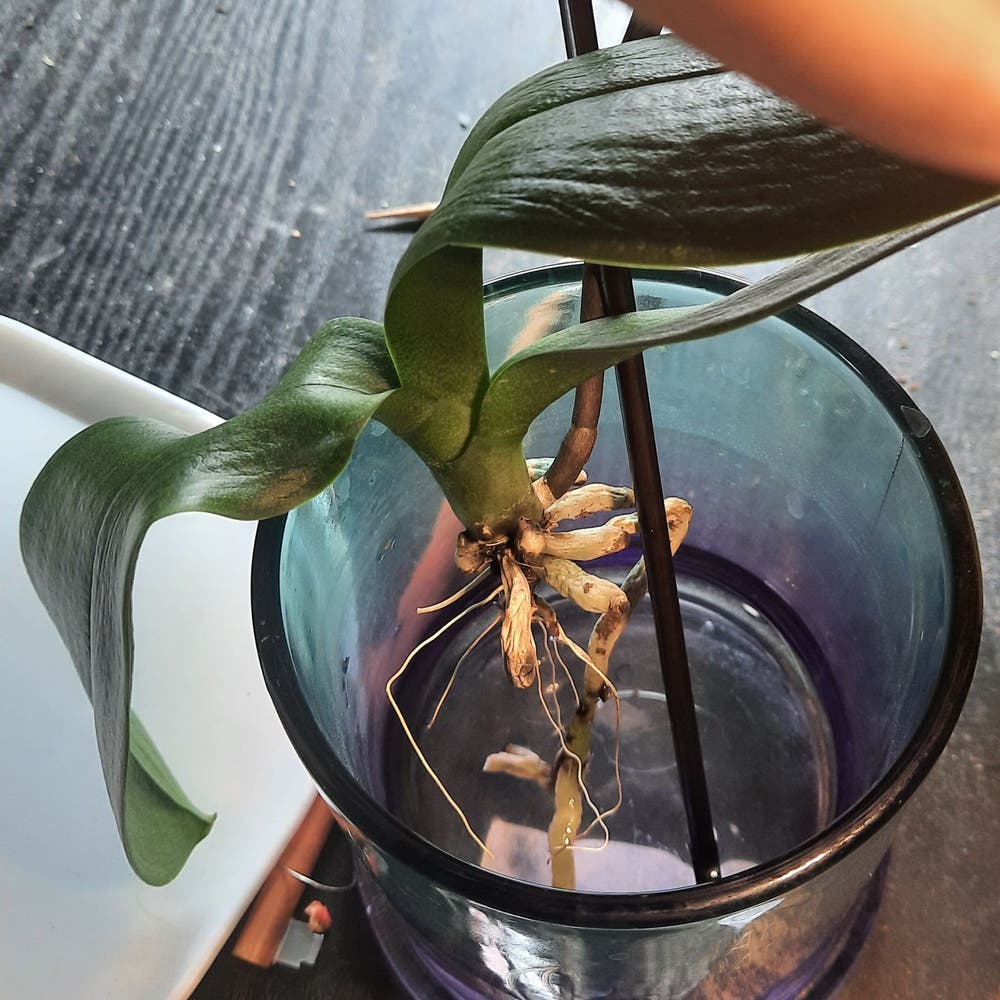
- Gently remove the orchid from its pot.
- Trim away any brown or mushy roots with your sterilized scissors.
- Repot in fresh orchid-specific mix, ensuring good drainage.
🌿 Aerial Roots
Do not cut! Aerial roots are normal for orchids. If they're unruly, you can gently guide them back towards the pot, but let them breathe and do their thing. They're the orchid's way of saying, "I'm just hanging out."

Pruning with Purpose: Health and Beauty
✂️ Cutting for Shape and Style
Pruning your Mini Phalaenopsis Orchid isn't just about snipping willy-nilly; it's about sculpting its future. Shape your plant by removing awkwardly placed or overgrown stems that disrupt its symmetry. Aim for a balanced look that pleases the eye and promotes new spike development. Think of yourself as an artist, and your orchid is the living sculpture.
💪 Snipping for Strength
When it comes to plant health, think of pruning as preventive medicine. Remove any parts that look like they've seen better days—think yellowed leaves, brown tips, or wilted flowers. This isn't just a cosmetic fix; it's about stopping potential problems in their tracks. By cutting away the old, you're paving the way for new growth, stronger branches, and a more vigorous orchid.

After the Snip: Post-Pruning Care
🏥 Immediate Aftercare
After you've played garden surgeon with your Mini Phalaenopsis Orchid, it's time for some post-op pampering. First, ensure the plant's environment is stress-free: stable temperatures and indirect sunlight are like a cozy recovery room. Hydration is key, but don't drown your patient—think of water as painkillers, necessary but in the right doses.
Long-Term Health
Long-term care is not rocket science; it's more like a marathon. Consistent care is your orchid's training regime. Keep the watering and fertilizing routine steady—no slacking. Monitor for new growth as a sign of good health, and be vigilant for any signs of distress. If you spot something off, act like a plant detective and get to the root of the issue. Remember, a healthy orchid is a blooming orchid.
⚠️ Safety First
This content is for general information and may contain errors, omissions, or outdated details. It is not medical, veterinary advice, or an endorsement of therapeutic claims.
Always consult a qualified healthcare professional before using any plant as food, medicine, or supplement.
Never eat any plant (or feed one to pets) without confirming its identity with at least two trusted sources.
If you suspect poisoning, call Poison Control (800) 222-1222, the Pet Poison Helpline (800) 213-6680, or your local emergency service immediately.
Spotted an error? Please report it here.
Ensure your Mini Phalaenopsis Orchid thrives after pruning by following Greg's tailored care alerts 🌸, guiding you through its rest period to vibrant new growth.