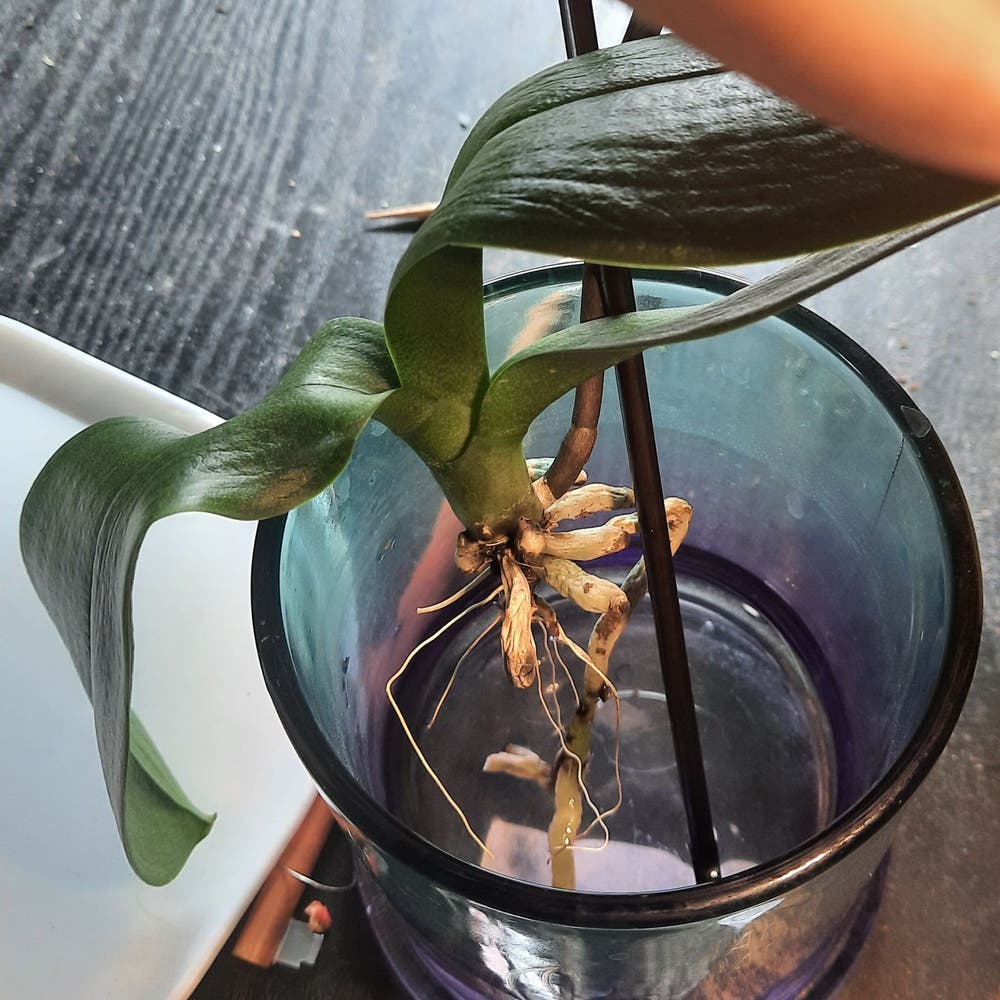
Why Is My Mini Phalaenopsis Orchid Dropping Leaves?
Phalaenopsis amabilis 'Miniature'
By the Greg Editorial Team
Jun 18, 2024•5 min read
This article was created with the help of AI so we can cover more plants for you. May contain errors. See one? Report it here.
- Consistent leaf drop signals potential overwatering, pests, or temperature issues.
- Yellow, curling, or spotty leaves indicate watering, draft, or fungal problems.
- Immediate action: Remove affected leaves, adjust care, and use pest control.
Spotting the Trouble Signs
🍂 Recognizing abnormal leaf drop
Leaf drop in Mini Phalaenopsis Orchids isn't always a red flag. It's normal for the bottom leaves to yellow and fall off as new growth emerges. But when leaves from other parts of the plant start to fall, it's time to pay attention. Consistent leaf drop, especially from the top or middle of the plant, is a sign that something's amiss.
🔍 Deciphering the symptoms: Is it natural aging or a cry for help?
Yellowing leaves can indicate a range of issues from overwatering to nutrient deficiencies. If leaves are wilting or showing signs of black spots, it's a distress call. Curling leaves? They're not trying to be trendy; they're likely too dry or exposed to drafts. Spotty leaves with a yellow halo are often the work of a fungal foe. And if the leaves are dropping like flies, it's past time for a plant intervention.

The Usual Suspects: Common Culprits of Leaf Loss
💧 Water Woes: Striking the right balance
Overwatering is like giving your Mini Phalaenopsis Orchid an unwanted bath. Roots can't breathe in soggy soil, leading to root rot. Conversely, underwatering turns the orchid into a desert dweller, leaving it parched and the leaves droopy. Check the soil moisture with your finger; it should feel slightly damp, not wet or bone dry.
🌡 Feeling the Heat: Temperature's role in leaf health
Mini Phalaenopsis Orchids aren't fans of extreme weather. Scorching temperatures can burn leaves, while insufficient warmth leaves them cold and vulnerable. Aim for a stable indoor climate, where the temperature hovers around a comfortable 65-80°F (18-27°C), mimicking their natural tropical habitat.
💨 Drafts and Chills: The impact of air flow and cold drafts
Your orchid doesn't appreciate the surprise of a cold draft or the constant whoosh of an air conditioner. Sudden temperature changes can cause leaves to fall as if they're jumping ship. Place your plant in a spot with gentle air circulation, away from windows and vents, to avoid these dramatic leaf-dropping episodes.

Uninvited Guests: Pests That Trigger Leaf Drop
🐛 Identifying the invaders: A quick guide to common pests
Your Mini Phalaenopsis Orchid is not throwing a leaf party, but pests didn't get the memo. Spider mites, aphids, and mealybugs are the usual suspects when leaves start dropping like hot potatoes. Spider mites are tiny and love dry conditions; you'll spot their handiwork by the fine webs on your orchid. Aphids are the sap-suckers, often found in colonies; they can be green, black, brown, or pink. Mealybugs look like tiny cotton swabs dabbing away at your plant's life force.
🛡️ Battle Tactics: Effective pest control strategies
When pests crash your orchid's vibe, it's time for action. Start with a blast of water under the leaves to dislodge the freeloaders. If they're stubborn, insecticidal soap or neem oil can be your next move. Apply with determination, especially on the undersides of leaves where these critters love to lounge. For an eco-friendly twist, consider releasing beneficial insects like ladybugs to chow down on the problem. Remember, consistency is key—these pests are persistent, and so must you be.

Reviving Your Mini Phalaenopsis Orchid
🍂 First Response: Immediate steps to take when leaves drop
When your Mini Phalaenopsis Orchid starts shedding leaves like a dog in summer, don't panic. First, grab some sterilized shears and snip off any affected leaves. Think of it as giving your plant a much-needed haircut. Cleanliness is key; make sure to wipe down your tools after to prevent spreading any potential plant pathogens.
🌱 Long-Term Care: Adjusting your care routine for recovery and resilience
After you've dealt with the immediate crisis, it's time to play the long game. Monitor your orchid like a hawk, watching for signs of distress in leaf color or posture. If your orchid's leaves are drooping like a teenager's shoulders on chore day, it might be thirsty. Check the soil moisture and water accordingly—but don't overdo it. Overwatering can lead to root rot faster than you can say "soggy".
Next, let's talk light. Your orchid's leaves are barometers for its light needs. If they're darker than a cup of black coffee, they're begging for more light. Conversely, if they're as bleached as a 90s boy band member's hair, dial it back. Find that sweet spot where your orchid can bask in the light without getting a sunburn.
Remember, your orchid is not a cactus. It doesn't want to live in the Sahara. Keep the environment humid—think tropical paradise, not desert island. A pebble tray or humidifier can work wonders.
Lastly, give your orchid time to recuperate between blooming cycles. It's not a machine; it needs a breather to gather strength for its next show-stopping performance. Adjust your care routine like you're tuning a guitar, and soon enough, you'll see your Mini Phalaenopsis Orchid bounce back with the vigor of a Broadway star on opening night.
⚠️ Safety First
This content is for general information and may contain errors, omissions, or outdated details. It is not medical, veterinary advice, or an endorsement of therapeutic claims.
Always consult a qualified healthcare professional before using any plant as food, medicine, or supplement.
Never eat any plant (or feed one to pets) without confirming its identity with at least two trusted sources.
If you suspect poisoning, call Poison Control (800) 222-1222, the Pet Poison Helpline (800) 213-6680, or your local emergency service immediately.
Spotted an error? Please report it here.
Ensure your Mini Phalaenopsis Orchid's leaves stay healthily on board 🍃 with Greg's precise monitoring and care adjustments, preventing those distressing drops.