Common Mini Phalaenopsis Orchid Problems
Phalaenopsis amabilis 'Miniature'
By the Greg Editorial Team
Jun 18, 2024•6 min read
This article was created with the help of AI so we can cover more plants for you. May contain errors. See one? Report it here.
- 🌱 Over-watering causes yellow leaves, but can be fixed with careful trimming and repotting.
- 🌞 Bright, indirect light and stable temperatures are key for orchid health.
- 🐛 Prevent pests and root rot with regular inspections and good hygiene.
Water Woes: Striking the Right Balance
💦 Over-Watering Havoc
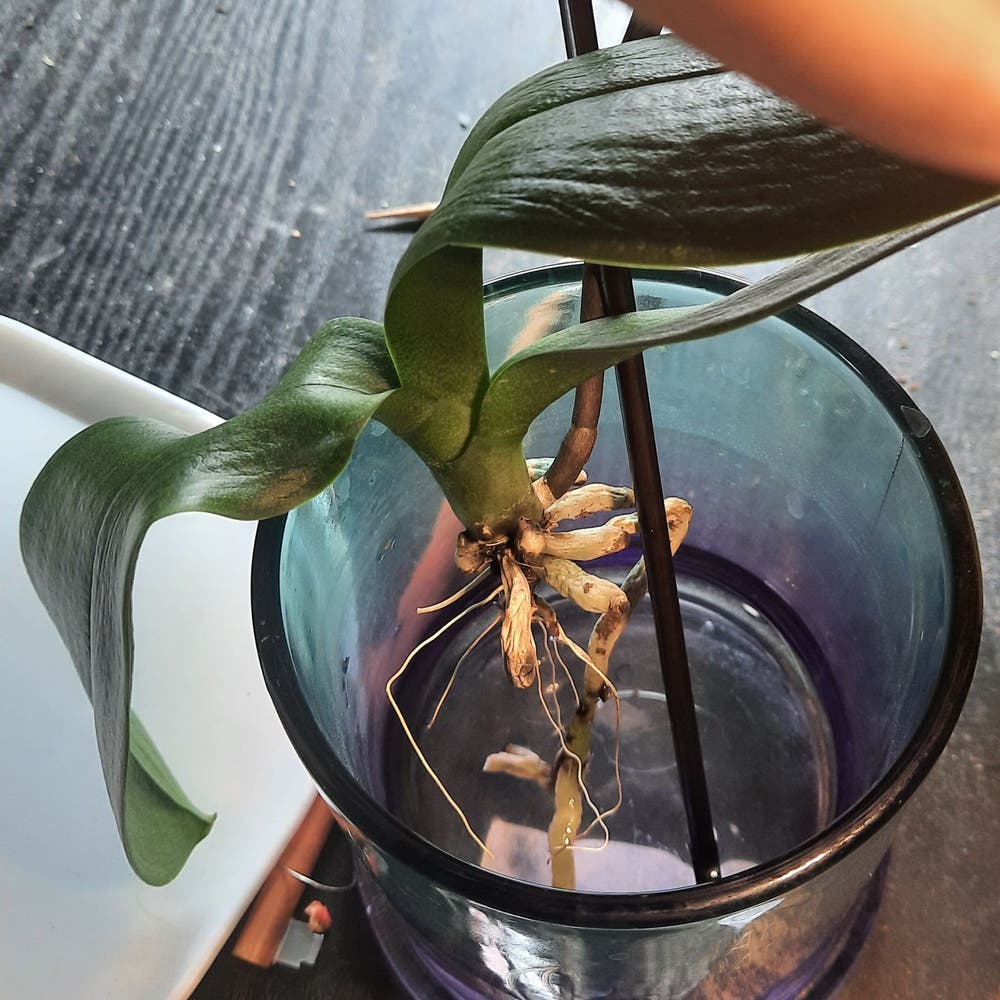
Yellow leaves and mushy roots are snitches, telling you you've gone overboard with the H2O. If your orchid's base feels like a wet sponge, you're in over-watering territory.
🚱 Drying out: Steps to rescue an over-watered orchid
- Assess the damage: Lift your orchid out of its pot. If the potting medium smells like a swamp and the roots are dark and squishy, it's SOS time.
- Trim the rot: Get your snips sterilized (isopropyl alcohol works wonders) and cut away all the mushy, brown roots. Be ruthless; only firm, white roots should stay.
- Repot: Grab some fresh, airy potting material and give your orchid a new home. It's like moving after a bad breakup—necessary for a fresh start.
- Ease up on watering: Let the roots breathe and seek out moisture on their own terms. Think of it as orchid rehab—watering is a privilege, not a right.
🏜️ Under-Watering Dilemmas
Wilting and dry leaves are your orchid's way of saying, "I'm parched!" If the soil feels like a desert, it's time to quench that thirst.
💧 Quenching correctly: How to hydrate your orchid without overdoing it
- Check the weight: A light pot screams dehydration. Your plant isn't on a diet; it needs a drink.
- Water wisely: When the top inch of soil feels dry, it's time to water. But don't drown it—excess water should run free, not pool at the bottom.
- Room temp is key: Use water that's been sitting out, not fresh from the tap. Cold water is a shock to the system, like jumping into a pool in winter.
- Monitor closely: Post-watering, keep an eye out. If your orchid starts to perk up, you're on the right track. If not, it might be time for an intervention.

Light and Temperature Tango
🌞 Finding the Sweet Spot for Sunlight
Leaf discoloration in Mini Phalaenopsis Orchids can be a red flag for improper lighting. Too much sun leads to a yellow-green hue, while insufficient light leaves them looking dark and forlorn. Bright, indirect light is the orchid's best friend, ideally placed a few feet from a window to avoid the harsh midday glare.
Orchid sunbathing should mimic their natural habitat, with a morning sun and afternoon shade routine. This ensures they get their light fix without the risk of sunburn. Remember, these plants aren't trying to tan; they're just looking for their Goldilocks zone.
🌡️ Keeping the Temperature Just Right
Temperature fluctuations can cause your Mini Phalaenopsis to drop buds faster than a hot potato. Stable temperatures are crucial for flower health, with a preferred daytime range of 70 to 75°F and a cooler night range of 60 to 65°F. Think of it as setting the mood for blooming.
To maintain this balance, avoid placing your orchid near heaters or air conditioners. These devices can create a roller coaster of temperatures that's more thrilling than enjoyable for your plant. Consistency is key, so keep the environment as even-keeled as possible for happy, healthy growth.

The Unseen Enemy: Root Rot and Fungal Foes
🛡️ Battling Root Rot
Root rot is the silent assassin of the Mini Phalaenopsis Orchid world. It's a fungal infection that thrives in overly wet conditions, attacking the roots and causing decay. The first sign of trouble is often a general wilting or yellowing of leaves, but by then, the damage below the soil may be significant.
To diagnose root rot, gently remove your orchid from its pot and inspect the roots. Healthy roots are firm and white, while rotten ones are mushy and brown. If you find rot, it's time for some plant surgery. Trim away the affected roots with sterilized scissors, repot in fresh, well-draining soil, and consider a fungicide as a temporary fix—but remember, it's not a cure-all.
⚖️ Prevention Playbook
Preventing root rot is all about balance. Ensure your orchid's pot has excellent drainage and that you're not over-watering. Let the top inch of soil dry out before watering again. Embrace beneficial mycorrhizae; these friendly fungi create an unfriendly environment for root rot culprits. And don't forget, regular checks are your best defense—stay vigilant!
🍄 Fungus Among Us
Mold and fungus are the uninvited party crashers in your orchid's life. They love damp, stagnant air and can lead to a host of problems, including root rot. Spotting mold on the soil surface or discolored leaves can signal a fungal invasion.
To combat mold, increase air circulation around your orchid. Prune any affected leaves and dispose of them properly—don't let your compost become a mold motel. If you're dealing with persistent issues, a preventative fungicide can help, but it's more of a backup dancer than the star of the show.
🌬️ Fresh Air and Cleanliness
Your best defense against mold and fungus is a clean growing environment. Keep the area around your orchid free of debris, and let in some sunlight. A well-draining potting mix is crucial, as is avoiding standing water. Remember, cleanliness is next to orchidliness. Keep it tidy, and your Mini Phalaenopsis will thank you.

Pests and Pathogens: Protecting Your Mini Phalaenopsis
🐛 Common Culprits: Aphids, Mealybugs, and Mites
Your Mini Phalaenopsis is a bug magnet. Aphids, those green or black sap-suckers, can be blasted off with water. Mealybugs? They masquerade as tiny cotton blobs; evict them with a swipe of alcohol. Spider mites are more covert, dealing damage before you even spot them. Look for fine webs and treat with horticultural oil.
🐜 Bug Off: Identifying and Eradicating Orchid Pests
Spotting pests early is like catching a typo before you hit send—vital. Scale insects are stubborn, but rubbing alcohol is their kryptonite. Regular inspections under leaves and in crevices are your best bet for early detection.
🛡️ Prevention is Key: Keeping Pests at Bay with Good Hygiene Practices
Cleanliness isn't just for show; it's your orchid's armor. Remove dead leaves, isolate new plants, and always, always clean your tools. Think of it as hygiene for plant health.
Scorched Leaves: A Sign of Distress
Scorched leaves are the plant equivalent of a bad sunburn. Yellow or brown patches? Your orchid's crying out for shade. Move it out of direct sunlight and consider it a lesson learned.
🍂 Reading the Leaves: What Scorch Marks Are Telling You
Leaf scorch isn't just ugly; it's a cry for help. It's your orchid saying, "I'm cooking here!" Adjust the light before your plant turns into a crispy critter.
❄️ Cool Down: Protecting Your Orchid from Too Much Heat
Keep your orchid away from the inferno. Stable temperatures and indirect sunlight are the spa treatments your orchid craves. Remember, no orchid enjoys a sauna.
⚠️ Safety First
This content is for general information and may contain errors, omissions, or outdated details. It is not medical, veterinary advice, or an endorsement of therapeutic claims.
Always consult a qualified healthcare professional before using any plant as food, medicine, or supplement.
Never eat any plant (or feed one to pets) without confirming its identity with at least two trusted sources.
If you suspect poisoning, call Poison Control (800) 222-1222, the Pet Poison Helpline (800) 213-6680, or your local emergency service immediately.
Spotted an error? Please report it here.
Nurture your mini Phalaenopsis orchids to perfection with Greg's custom care alerts 🌸, ensuring they thrive through every challenge outlined in this article.