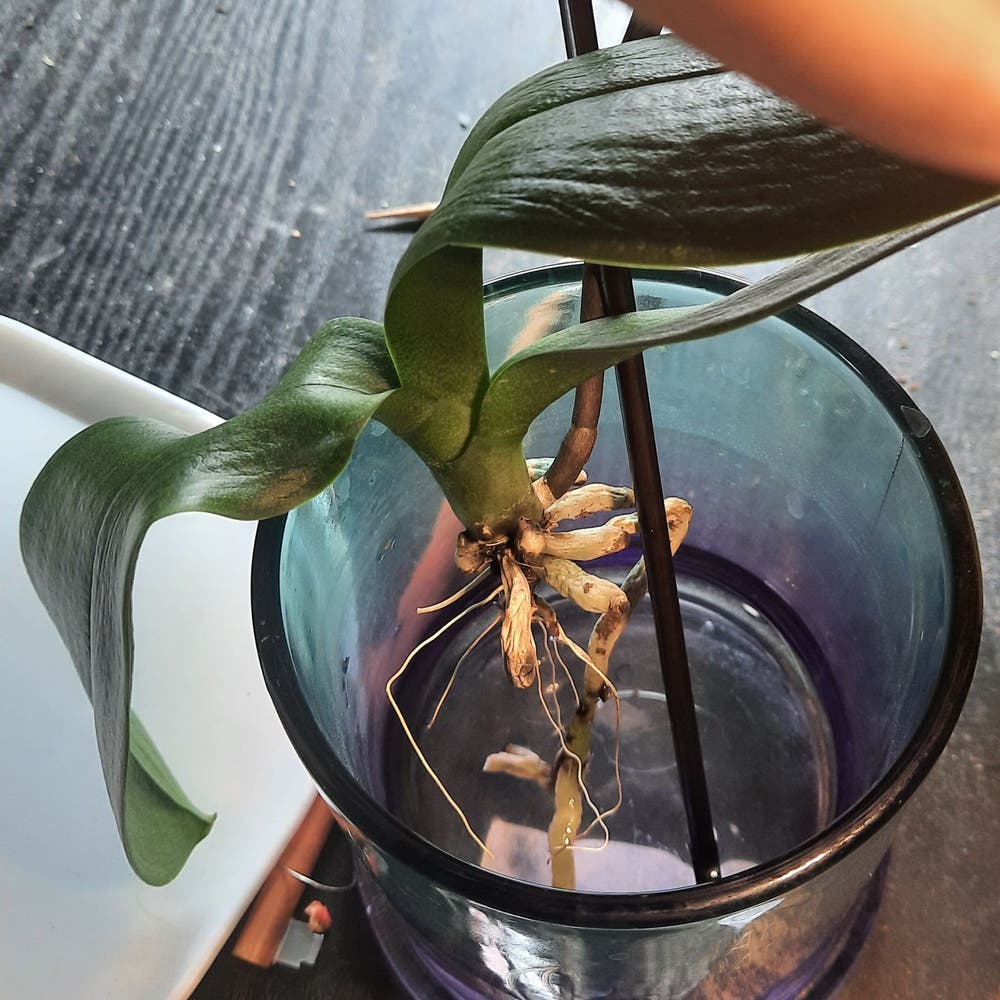
😔 Why Are My Mini Phalaenopsis Orchid Leaves Droopy?
Phalaenopsis amabilis 'Miniature'
By the Greg Editorial Team
Jun 18, 2024•4 min read
This article was created with the help of AI so we can cover more plants for you. May contain errors. See one? Report it here.
- Overwatering? Look for yellow leaves and mushy roots.
- Underwatering? Watch for shriveled leaves and dry tips.
- Optimize care with balanced watering, proper light, and regular root checks.
Spotting the Trouble: Signs Your Mini Phalaenopsis Orchid is Unhappy
💧 Overwatering Symptoms
Yellowing leaves are the hallmark of overwatering. Root rot often follows, with roots turning from sturdy white to a mushy brown mess.
🏜️ Underwatering Symptoms
Shriveled leaves and dry tips signal a cry for hydration. Underwatering leaves your orchid as parched as a piece of toast.
🌞 Light and Location Woes
Pale leaves and leggy growth are your orchid's way of saying it's starved for sunlight. Too much light, however, can scorch leaves, leaving them crispy and bleached.
🚩 Root Health Red Flags
Roots should be the foundation of health. If they're more brown than a well-worn leather boot and have the consistency of overcooked noodles, it's time for intervention.

Getting to the Root: Diagnosing the Cause
🚰 Assessing Watering Habits
Over-watering or under-watering? That's the question. To find out, gently lift your orchid from its pot. If the roots are shriveled, you're stingy with water. If they're mushy, you're drowning the poor thing.
🌞 Evaluating Light Levels
Too much sun and your orchid will don a pale look; too little, and it'll stretch out awkwardly. Observe the leaves. If they're paler than a ghost, move your plant away from direct light. If they're reaching like they're trying to escape, give them more light.
Checking the Roots
Time for a root health check. Pull your orchid out of its pot—carefully, no yanking. Healthy roots are firm and green. Brown and mushy? Sounds like root rot. Greyish-white? Your orchid's parched. Remember, the roots tell all.

First Aid for Droopy Leaves
💧 Adjusting Watering Techniques
Finding the right balance for your orchid's hydration needs is like hitting the sweet spot on a guitar string—too tight or too loose, and the tune just won't sing. Start by checking the top inch of the potting mix; if it's dry, it's time for a drink. Use room-temperature water to avoid shocking the delicate roots, and make sure your pot has drainage holes that could rival a colander. This ensures any excess water can make a quick getaway, preventing root rot.
🌞 Optimizing Light Exposure
Best practices for lighting are like finding the perfect pair of sunglasses for your orchid—indirect light is your friend. If your plant's leaves are looking more sunburnt than a beachgoer, it's time to move it out of direct sunlight. Consider a spot that's bright yet filtered, or if your home is more cave than greenhouse, a grow light can work wonders without overdoing it.
🌱 Addressing Root Problems
When it comes to roots, think of repotting as a spa day for your orchid. Swap out that tired, soggy potting mix for a fresh, airy one. Orchids aren't just divas; they're acrobats that need a well-draining stage to perform their best. Trim any mushy roots with a sterilized blade—think surgeon, not butcher—and repot with care. Remember, prevention beats cure, so keep those inspections regular and your orchid will be less likely to throw a droopy leaf tantrum.

Prevention is Key: Keeping Your Orchid Perky
💧 Consistent Watering Schedule
Your Mini Phalaenopsis Orchid craves stability in its hydration routine. Stick to a watering schedule that's as predictable as morning coffee. Check the soil's moisture with your finger before watering; it should feel like a wrung-out sponge, not a soaked towel or bone-dry bread. If the leaves start looking like deflated balloons, it's a cry for more frequent drinks.
🌞 Perfecting the Light
Lighting for your orchid should be just right—not too much to scorch its leaves, not too little to stunt its growth. Grassy green leaves are the thumbs-up for perfect lighting. Rotate the pot regularly to prevent your orchid from developing a lean like it's trying to escape the pot. If natural light is as scarce as hen's teeth, consider LED grow lights to fake it till you make it.
👩⚕️ Regular Root Check-ups
Roots are the orchid's lifeline, so give them the VIP treatment. Peek under the hood every now and then to ensure they're not turning into mushy casualties of overwatering. When repotting, handle the roots like they're made of glass—because in orchid terms, they kind of are. Keep an eye out for the dreaded root rot; early detection can save your orchid from becoming a tragic Shakespearean character.
⚠️ Safety First
This content is for general information and may contain errors, omissions, or outdated details. It is not medical, veterinary advice, or an endorsement of therapeutic claims.
Always consult a qualified healthcare professional before using any plant as food, medicine, or supplement.
Never eat any plant (or feed one to pets) without confirming its identity with at least two trusted sources.
If you suspect poisoning, call Poison Control (800) 222-1222, the Pet Poison Helpline (800) 213-6680, or your local emergency service immediately.
Spotted an error? Please report it here.
Revive your mini Phalaenopsis orchid's droopy leaves by monitoring 🌱 with Greg's tailored care reminders and root health checks!